
Last updated: June 6, 2026
To choose the right bookkeeper in Los Angeles, you need to find a partner who understands California-specific labor laws and LA city business taxes while being an expert in cloud tools like QuickBooks or Xero. This guide is for small business owners and startups in the LA area who want to stop stressing about receipts and start growing their companies. We will cover exactly what to look for, the specific "LA factors" that matter, and how to spot a pro versus a hobbyist.
Clarify what you actually need before you search
The term bookkeeper can mean anything from someone who enters receipts once a month to a full-scale financial partner who manages your bill pay and payroll. Before you start interviewing firms in Santa Monica or Downtown LA, you need to decide on your scope.
Do you just need a monthly close to keep your taxes in order? Or do you need someone to handle your accounts payable (AP) and accounts receivable (AR) every week? Most startups and small businesses find that a monthly service is the sweet spot, but if you have high transaction volume, you might need more frequent check-ins.
If your books are currently a mess, you should look for someone who specializes in bookkeeping cleanup services first. You cannot build a clean financial future on a foundation of messy historical data.
The LA Factor: Why local knowledge matters

While bookkeeping can be done remotely from anywhere, having a partner who understands the Los Angeles business landscape is a massive advantage. California has some of the most complex payroll and sales tax regulations in the country.
A bookkeeper familiar with LA will know about:
- City of Los Angeles Business Tax: Most businesses in the city of LA need to renew their business tax registration certificate (BTRC) annually. Your bookkeeper should be able to help you pull the gross receipts numbers you need for this filing.
- California Payroll Laws: From meal break penalties to specific overtime rules, California is unique. If your bookkeeper is managing your payroll integration, they need to be aware of these nuances.
- Sales Tax Nexus: If you are a product-based business in LA, you deal with specific district taxes that can change depending on where your customer is located.
We always recommend working with someone who understands these local hurdles so you don't end up with a surprise notice from the Franchise Tax Board.
Look for cloud-based experts (QBO and Xero)
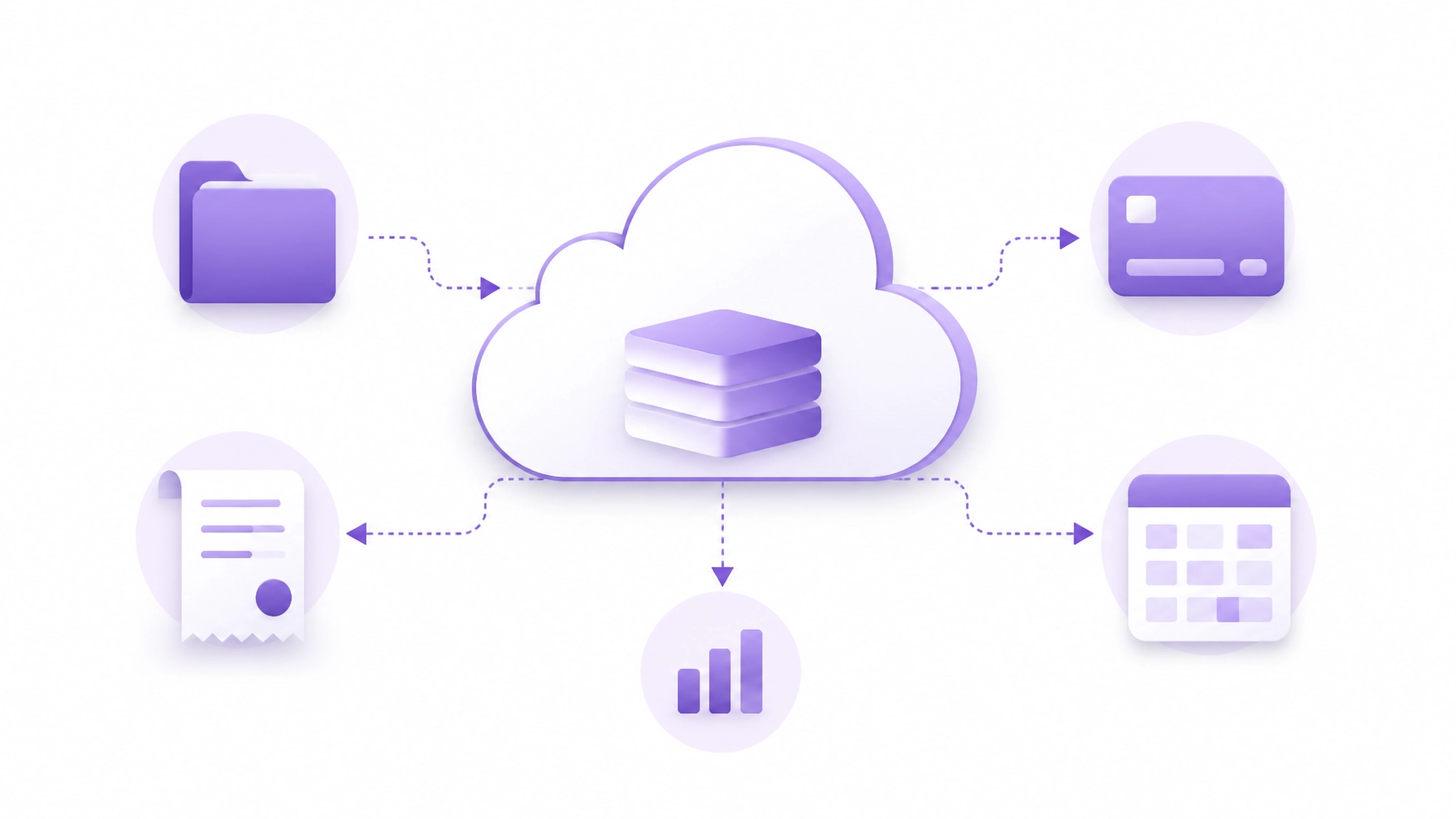
In 2026, there is no reason to be passing paper folders back and forth. You should choose a bookkeeper who is a "paperless" pro. This means they use tools like QuickBooks Online or Xero to keep your data accessible to you 24/7.
When interviewing a firm, ask about their workflow setup and document management. A good bookkeeper will have a system for you to snap photos of receipts or upload digital invoices to a secure portal. This saves you hours of admin work and ensures that every deduction is backed by documentation in case of an audit.
Using cloud-based tools also allows for easier bank reconciliations, which are the backbone of accurate financial statements. If a bookkeeper suggests using a desktop version of software that requires you to email files back and forth, that is a red flag.
Evaluate their certifications and experience
Bookkeeping is an unregulated industry, meaning anyone can call themselves a bookkeeper. You want to see proof of expertise. Look for:
- QuickBooks ProAdvisor or Xero Certified: This shows they actually know the software inside and out.
- Industry Experience: A construction company has very different bookkeeping needs (like job costing) than a consulting firm or a retail shop. Ask them if they have worked with businesses like yours before.
- CPA Collaboration: A great bookkeeper is not a tax preparer, but they should be able to speak the same language as your CPA.
Understanding pricing: Hourly vs. Flat Fee
Most modern Los Angeles bookkeeping firms have moved away from hourly billing in favor of flat monthly fees. Hourly billing often rewards inefficiency. If a bookkeeper takes five hours to do a task that should take one, you pay the price.
Flat fee pricing gives you predictability. You know exactly what your "burn rate" is for administrative costs every month. When you ask for a quote, make sure it includes:
- Bank and credit card reconciliations.
- Monthly financial statements (Profit and Loss, Balance Sheet).
- A monthly review call or video update.
- Support for 1099 filings at year-end.
Questions to ask during the interview

When you get a potential bookkeeper on a call, don't just talk about price. Ask these questions to see if they are a fit:
- How do you handle communication? Do you prefer email, Slack, or a client portal?
- What is your typical turnaround time for a monthly close?
- Who will be my main point of contact? Is it you or a junior staffer?
- How do you ensure my data is secure?
- Can you walk me through your onboarding process for new clients?
How do I make the final decision when choosing a bookkeeper?
At the end of the day, your bookkeeper is someone who will see the "ins and outs" of your business. You need to trust them. If they seem disorganized during the sales process or they can't explain their own systems clearly, they likely won't be organized with your money either.
Choose someone who is proactive. A good bookkeeper doesn't just record the past; they help you see where your money is going so you can make better decisions for the future.
Author Box
About the Author: Books LA
Based in Los Angeles, California, we are a team of certified bookkeeping professionals dedicated to helping small businesses and startups thrive. We are certified QuickBooks Online ProAdvisors and Xero experts. We specialize in cleanups, monthly bookkeeping, and setting up efficient, paperless workflows for busy entrepreneurs across the United States. We believe that clean books are the foundation of a successful business.
FAQ: Choosing a Bookkeeper in Los Angeles
How much does a bookkeeper in LA cost?
Most small businesses can expect to pay between $300 and $1,500 per month for professional bookkeeping services. The price depends on your transaction volume, the number of bank accounts, and whether you need extra services like payroll or bill pay.
Do I need a local LA bookkeeper or can I go remote?
You can absolutely use a remote bookkeeper as long as they understand California state tax and payroll laws. The benefit of a local firm is that they are often more familiar with the City of Los Angeles Business Tax requirements.
What is the difference between a bookkeeper and a CPA?
A bookkeeper handles your daily and monthly financial records to keep them accurate and up to date. A CPA typically focuses on high-level tax strategy, audits, and filing your annual income tax returns. We work directly with your CPA to ensure they have clean data for tax season.
How long does it take to get my books caught up?
A standard cleanup project usually takes between two and four weeks, depending on how many months or years of data are missing. Once the cleanup is done, we transition you into a regular monthly rhythm.
What software do you recommend for LA startups?
We recommend QuickBooks Online or Xero. These platforms are cloud-based, secure, and integrate with almost every other business tool you use, from Shopify to Gusto.
Do you provide tax advice?
No. We do not provide income tax advice. We focus on bookkeeping, sales tax compliance, and payroll. We work closely with your CPA for all income tax matters and recommend you confirm all tax strategies with them.
What documents do I need to provide to my bookkeeper?
Typically, we need access to your bank and credit card statements (usually via view-only access), receipts, and any payroll or sales data from your POS system.
Can a bookkeeper help me with payroll?
Yes. Most modern bookkeepers can help you set up and manage payroll through platforms like Gusto or ADP, ensuring that your payroll data is correctly synced with your general ledger.
How do I know if my current bookkeeper is doing a good job?
Your bank accounts should be reconciled to the penny every month. You should receive financial reports by the 10th or 15th of the following month, and your bookkeeper should be able to answer questions about your Profit and Loss statement clearly.
Disclaimer: Books LA does not provide income tax advice. We work with CPAs for income tax matters and recommend that readers confirm all tax-related decisions with their CPA. Our services focus on bookkeeping, sales tax, payroll tax, and business license compliance.
Ready to get your books in order?
If you are tired of wondering where your cash is going, we can help.
Request a bookkeeping review or book a short call with Books LA.
