
Last updated: May 1, 2026
The best bookkeeping services for freelancers are the ones that keep your books accurate, save you admin time, and give you clean reports for your CPA without forcing you to become your own accountant. This guide is for freelancers and solopreneurs, and it covers what good bookkeeping services include, what they cost, when to switch from DIY, and how to choose the right fit.
TL;DR: If you hate admin, start with QuickBooks Online, Xero, FreshBooks, or Bonsai for basic workflows, then move to a managed bookkeeping service once your time spent on books exceeds about four hours a month or your income streams get more complicated.
Finding the right bookkeeping service means getting back the time you currently spend wrestling with receipts and spreadsheets. This guide is for freelancers and solopreneurs who want to automate their back office, handle 1099s correctly, and stay tax-ready without becoming an accidental accountant.
IRS/Tax Disclaimer: Books LA does not provide income tax advice or file income tax returns. We specialize in day-to-day bookkeeping and financial organization. We work closely with our clients' CPAs to ensure they have clean data for tax season. Always confirm specific tax matters with your licensed CPA.
Why freelancers struggle with administrative tasks
Most freelancers start their business because they are experts in their craft, not because they love tracking deductible mileage or reconciling bank statements. Administrative "creep" happens when your business grows and your simple spreadsheet no longer cuts it. You suddenly find yourself managing 1099-NEC forms, tracking sales tax for digital products, or trying to figure out why your bank balance doesn't match your software.
The goal of a professional bookkeeping service is to remove the friction between earning money and knowing how much of it you actually keep.

The core responsibilities of a freelancer bookkeeper
When you hire a professional or choose a high-level software service, you are looking for more than just a place to log expenses. A solid bookkeeping setup for a freelancer should cover:
- Expense Categorization: Ensuring every business purchase is put in the right bucket for tax deductions.
- Bank Reconciliation: Matching your bank and credit card statements to your software to ensure no missing or duplicate data.
- 1099 Management: Tracking payments to subcontractors and ensuring you have W-9s on file before the January deadline.
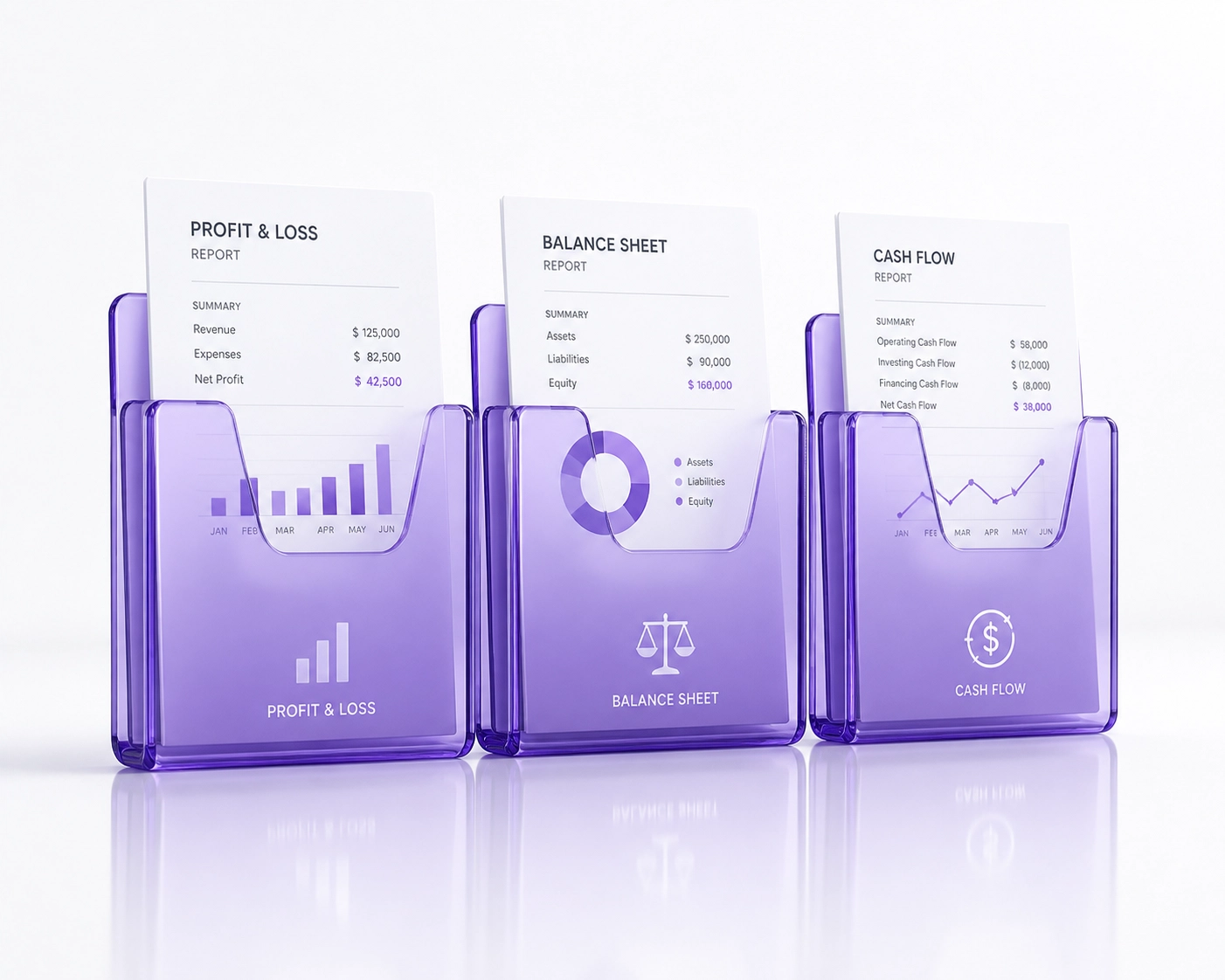
- Financial Reporting: Providing a Profit and Loss statement so you know if your projects are actually profitable.
- Receipt Management: A system to capture and store digital receipts for audit protection.
Top bookkeeping software for freelancers
If you are still in the DIY phase or want a tool that handles the basics, several platforms cater specifically to the freelancer experience.
FreshBooks
FreshBooks is often the first recommendation for service-based freelancers. It is purpose-built for people who need to track time and send invoices. The interface is intuitive and less "accounting-heavy" than other platforms.
Bonsai
For those who want an all-in-one "business-in-a-box," Bonsai integrates contracts, proposals, time tracking, and bookkeeping. This reduces the need to jump between multiple apps, which is a major win for anyone who hates admin work.
QuickBooks Online (QBO) and Xero
These are the industry standards. While they have a steeper learning curve, they are highly scalable. If you plan on growing into an agency or hiring employees, starting here prevents a messy data migration later. We typically recommend QBO for its robust add-ons and apps that can automate almost every part of your workflow.
When to move from DIY software to managed services
Software is a tool, but it is not a strategy. You might need to move from "doing it yourself in an app" to "hiring a professional" when:
- You are spending more than four hours a month on bookkeeping.
- You are unsure if you are categorizing expenses correctly.
- You have multiple revenue streams (e.g., coaching, digital products, and 1:1 services).
- Tax season feels like a month-long emergency every year.
Professional bookkeeping services provide a level of oversight that software cannot. A bookkeeper notices when a subscription was charged twice or when a payment hasn't cleared.
How much do bookkeeping services for freelancers cost?
Pricing for freelancer bookkeeping generally falls into three tiers:
- Basic Software (DIY): $15–$50 per month. You do all the data entry and reconciliation.
- Robo-Bookkeeping/Hybrid: $150–$300 per month. Software does the heavy lifting with occasional human oversight.
- Dedicated Professional Bookkeeper: $300–$600+ per month. A human expert handles the books, reconciles monthly, and provides custom advice.
For many freelancers, the "middle ground" of professional services is the best value. It provides peace of mind without the high cost of a full-time controller. You can see how we structure these options on our packages page.
A practical example: The cost of "Free"
Consider a freelance graphic designer earning $10,000 a month. They spend five hours a month trying to figure out their bookkeeping. Their billable rate is $150 an hour.
- Cost of DIY: $750 in lost billable time + the stress of potentially missing deductions.
- Cost of Professional Bookkeeping: $400 per month.
In this scenario, hiring a pro actually "saves" the freelancer $350 in opportunity cost while ensuring the books are accurate for their CPA.
How to hire a professional bookkeeper online
Hiring someone to look at your finances requires trust. When looking for a virtual firm, follow these steps:
- Check for Certifications: Ensure they are certified in the software you use (e.g., QuickBooks Online ProAdvisor).
- Ask About Their Tech Stack: Do they use tools like Hubdoc or Dext for receipt capture?
- Communication Style: Do they explain things in plain English, or do they hide behind accounting jargon?
- References: Look for testimonials from other freelancers to see how they handle similar business models.

Staying tax-ready all year long
The biggest benefit of professional bookkeeping is that January is just another month. Instead of a "tax season" scramble, your bookkeeper provides a clean set of books to your CPA. This often results in lower tax preparation fees because the CPA doesn't have to spend time fixing your mistakes.
We focus on compliance topics that matter to freelancers, such as sales tax on digital goods and proper payroll tax if you have moved to an S-Corp structure. While we don't file the final income tax return, we ensure your cloud accounting setup makes the filing process seamless.
Next steps for your business
If you are tired of the administrative burden, start by auditing how much time you spend on your books each month. If that number is growing, it might be time to look for a partner.
You can book a short call with us to discuss your current setup and see if our monthly services are a fit for your freelance business.
FAQ: Common Freelancer Bookkeeping Questions
What is the best bookkeeping service for freelancers?
The best option is the one that matches your volume, workflow, and budget. Many freelancers do well with QBO, Xero, FreshBooks, or Bonsai at first, then move to a managed bookkeeping service once the admin starts taking too much time.
How much do bookkeeping services for freelancers cost?
DIY software usually costs about $15 to $50 per month. Hybrid support often runs $150 to $300 per month, and a dedicated professional bookkeeper is commonly $300 to $600+ per month.
When should I stop doing my own bookkeeping?
A good rule of thumb is when bookkeeping takes more than four hours a month, your books are falling behind, or you have multiple income streams, contractors, or sales tax obligations.
Can I just use a spreadsheet instead of bookkeeping software?
You can, but it usually creates more manual work and more errors over time. Software is better for bank feeds, receipt capture, reconciliations, and year-end reporting.
What does a freelancer bookkeeper actually do?
They categorize transactions, reconcile bank and credit card accounts, manage receipt workflows, track contractor payments, prepare reports, and keep the books ready for your CPA.
Do I need a CPA if I already have a bookkeeper?
Usually, yes. A bookkeeper keeps your records accurate and current. A CPA handles income tax strategy and filing. We do not provide income tax advice, and we recommend confirming tax matters with your CPA.
About the Author
Jelena Arkula is the owner of Books LA, a boutique accounting firm based in Los Angeles. With years of experience helping freelancers and small business owners navigate the complexities of cloud accounting, Jelena and her team focus on providing friendly, expert bookkeeping solutions using QuickBooks Online and Xero. We believe that good bookkeeping is the foundation of every successful creative business.