
AP & AR Made Simple: Pay Bills On Time and Collect Cash Faster
Managing accounts payable and receivable can feel overwhelming when bills pile up and payments lag. Without a clear system in QuickBooks Online or Xero, cash flow gets tight and month-end closes drag on. This post shows you a simple, repeatable way to handle AP/AR that keeps bills paid on time and speeds up collections. Stick with us to learn how to stay current, confident, and ready for your next monthly close. For more tips, check out this resource.
Streamlining Accounts Payable

Let’s kick off by tackling accounts payable. A smooth process here ensures vendors are happy and your credit stays strong. First up, get those vendor records sorted.
Setting Up Vendor Records
Getting vendor records right is your first step. You want up-to-date and accurate information. Why? Because it saves you time and avoids payment errors. Here’s how you do it:
-
Gather Details: Ensure you have the right contact, payment terms, and mailing address.
-
Use Software: QuickBooks Online or Xero can efficiently store and manage this data.
Taking these steps means less back-and-forth with vendors. Plus, when payments are due, you’re set up to process them smoothly.
Automated Bill Pay Solutions
Automating bill payments can be a game changer for your business. It simplifies the process and avoids late fees. Here’s what you should consider:
-
Choose a System: Set up automated payments using your accounting software.
-
Schedule Payments: Align payment dates with cash flow projections to keep your bank account healthy.
Automated solutions reduce manual work and help you stay organized. You’ll spend less time on checks and more on growing your business. Learn more about AP strategies.
Payment Terms That Work
Payment terms can make a big difference in your cash flow. Setting clear terms helps manage when money leaves your account. Let’s break it down:
-
Negotiate Wisely: Aim for terms that align with your cash flow. Common terms are Net 30 or Net 45.
-
Communicate Clearly: Make sure your vendors understand and agree to these terms.
By setting terms that work for you, you maintain control over your finances. This approach makes it easier to predict expenses and manage your budget effectively.
Efficient Accounts Receivable Management

With AP in check, let’s turn to accounts receivable. This is where you ensure money comes in smoothly. Customer invoicing is the backbone of this process.
Customer Invoicing Best Practices
A solid invoicing system ensures you get paid on time. Here’s how to make your invoicing efficient:
-
Be Prompt: Send invoices immediately after a sale or service.
-
Clear Details: Include due dates, item descriptions, and total amounts.
Following these practices helps avoid misunderstandings and delays. Your clients will appreciate the clarity, and you’ll appreciate the timely payments. Explore invoicing tips here.
Implementing a 3-Step Collections Process
A structured collections process keeps your cash flow steady. Here’s a simple three-step method:
-
Friendly Reminder: Send a reminder a week before the due date.
-
Firm Follow-Up: If unpaid, follow up the day after the due date.
-
Personal Call: After a week, call the client to discuss payment.
This approach is polite yet effective, ensuring you stay on top of collections without straining relationships.
Utilizing Dunning Emails Effectively
Dunning emails are your secret weapon for overdue invoices. Done correctly, they prompt action without offending clients. Here’s how:
-
Start Soft: The first email should be a gentle reminder.
-
Increase Urgency: After two reminders, stress the importance of payment.
Dunning emails are about consistent communication. They keep your invoice on the client’s radar and reduce the chances of it slipping through the cracks. More on receivables management.
Achieving a Smooth Monthly Close
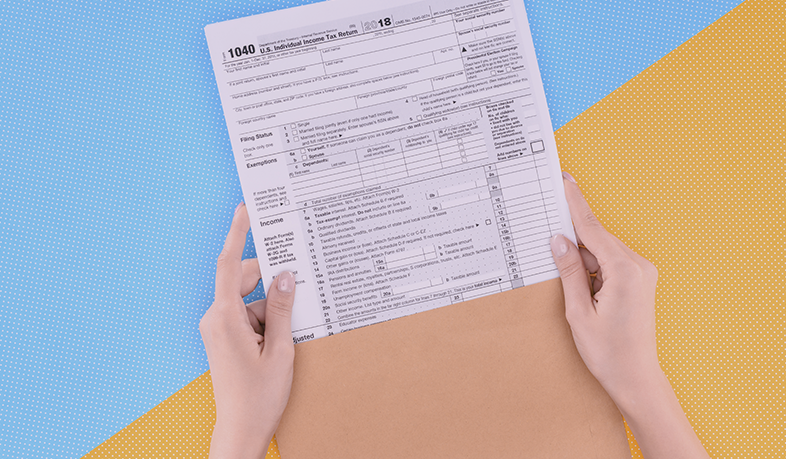
Now, let’s ensure your monthly close runs like clockwork. It starts with keeping your books in order and understanding key financial reports.
The Importance of Bank Reconciliation
Bank reconciliation is vital to verify your records match bank statements. Here’s how you benefit:
-
Spot Errors: Identify discrepancies and correct them promptly.
-
Maintain Accuracy: Keeps your financial records reliable and up-to-date.
Regular reconciliation helps you catch issues early, preventing surprises at the month’s end.
P&L and Balance Sheet Basics
Understanding your P&L and balance sheet is crucial. These reports show your business’s financial health. Here’s why they matter:
-
P&L (Profit & Loss): Tracks income and expenses over time.
-
Balance Sheet: Shows your assets, liabilities, and equity at a specific point.
Review these reports monthly to make informed business decisions. They provide insight into profitability and financial position.
Simplifying Cash Flow Management
Managing cash flow is about timing. With the right strategies, you can ensure funds are available when needed. Here’s what to focus on:
-
Forecast Regularly: Use historical data to predict future cash flow.
-
Monitor Closely: Keep an eye on cash inflows and outflows regularly.
Effective cash flow management keeps your business running smoothly without financial hiccups.
FAQ
Q: How often should I reconcile my bank accounts?
A: Monthly reconciliations are recommended to keep your records accurate and up to date.
Q: What’s the best way to remind clients of overdue invoices?
A: Start with a friendly reminder email and follow up with a call if necessary.
Q: How can I improve my cash flow management?
A: Regularly forecast your cash flow and monitor it closely to avoid surprises.
Stay on top of your AP/AR processes to keep your business financially healthy. If you need help, reach out to a professional bookkeeping service like Books LA.
