QBO vs Xero Expenses: Which Is Better for Small Business Bookkeeping? (2026)

QBO vs Xero Expenses: Which Is Better for Small Business Bookkeeping? (2026)

Last updated: February 11, 2026

QuickBooks Online handles expense tracking more comprehensively across all pricing tiers, especially for receipt capture and expense claims. Xero costs less upfront but locks advanced expense features behind its $90/month Established plan, making it better for businesses with simpler tracking needs.

This post is for small business owners choosing between QBO and Xero for expense management. You’ll learn what each platform does well, where they fall short, and which fits your budget and workflow.

What Our Bookkeeping Services Include

When you work with our LA-based team at Books LA, we handle the full expense tracking cycle in both QBO and Xero.

Here’s what that looks like:

  • Daily bank feed review and categorization of expenses
  • Receipt matching and attachment to transactions
  • Vendor bill entry and approval workflow setup
  • Credit card reconciliation and expense reporting
  • Monthly close with detailed expense breakdowns by category
  • Custom rules to automate repetitive expense coding

We’re certified advisors in both QuickBooks Online and Xero. That means we know the quirks, the shortcuts, and the gotchas in each system. We set up your chart of accounts so expenses flow into the right buckets from day one.

Our small business bookkeeping services focus on accuracy and speed. You shouldn’t spend your evenings sorting receipts when we can automate 80% of it.
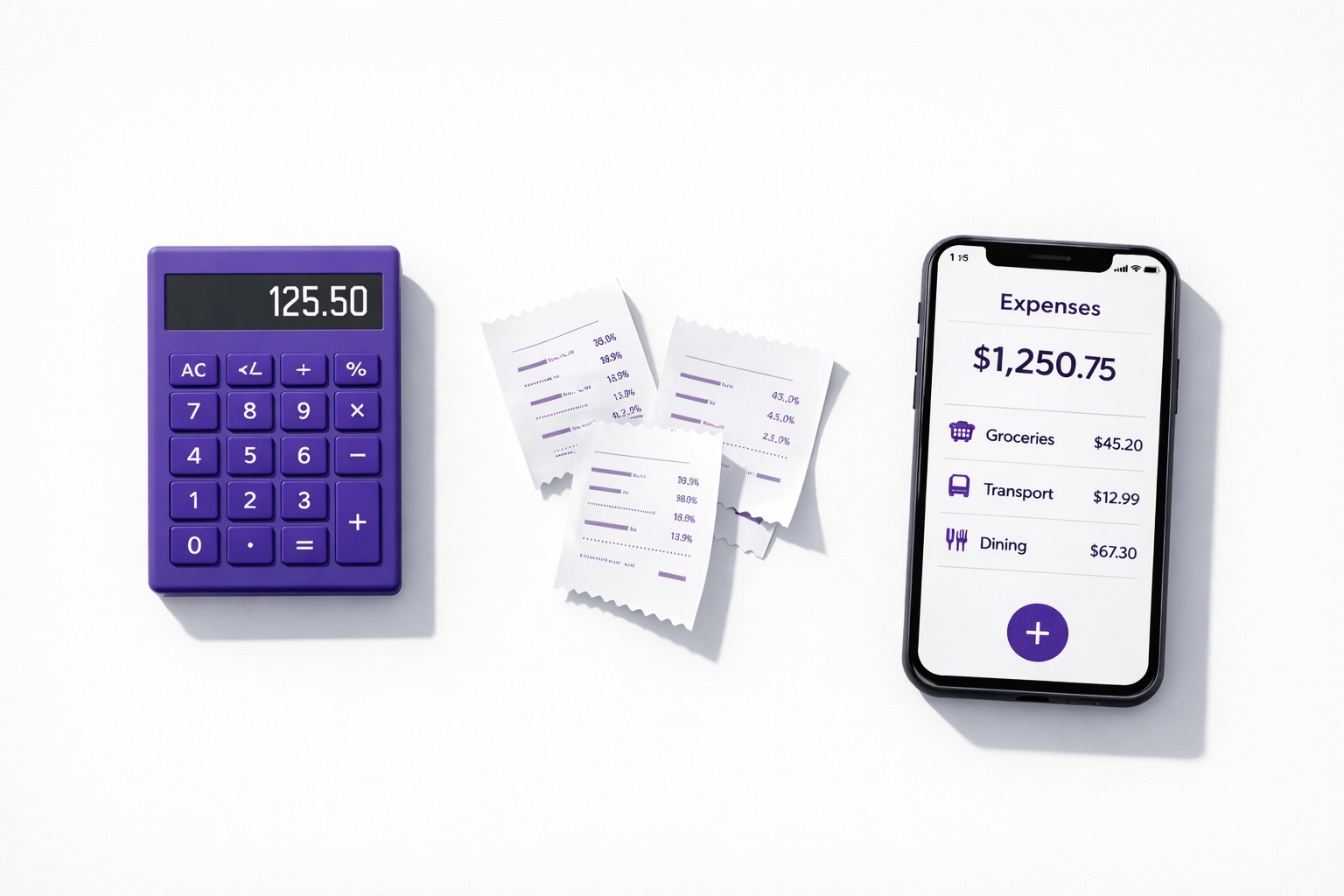
Expense tracking workspace with calculator receipts and mobile app for small business bookkeeping

How Much Do Small Business Bookkeeping Services Cost

Pricing depends on transaction volume, not just which software you pick.

Most LA businesses with 50 to 150 monthly transactions pay between $300 and $600 per month for our bookkeeping services. That includes:

  • Full expense tracking and categorization
  • Monthly reconciliation of all accounts
  • Financial statement preparation
  • Unlimited email and Slack support
  • Coordination with your CPA for year-end filings

If you’re running high volume (200+ transactions), expect closer to $800-$1,200 per month. Construction and e-commerce clients often land here because of job costing and inventory layers.

Software cost is separate. Xero runs $25 to $90/month, depending on the plan. QBO starts at $38/month and goes up to $235/month for Advanced. We help you pick the right tier based on what you actually need, not what the sales page says.

Want a custom quote? Book a 20-minute call, and we’ll walk through your current setup.

How Long Does the Software Setup Takes

Setting up expense tracking in QBO or Xero takes about 2 to 4 hours if you do it right.

Here’s what we configure during onboarding:

  • Chart of accounts tailored to your industry
  • Bank and credit card feeds (usually instant, sometimes 24 hours)
  • Vendor list import from your old system or spreadsheet
  • Receipt capture rules and mobile app setup
  • Expense categories that match your tax return line items
  • User permissions if you have a team handling approvals

If you’re migrating from another system (or from spreadsheets), add another 3 to 5 hours for historical data cleanup. We don’t recommend importing messy data. It’s faster to start clean on January 1 and keep the old files as PDFs.

Most clients are live within one week. We schedule a 30-minute training call so you know how to snap receipts, approve bills, and pull reports without having to call us every time.
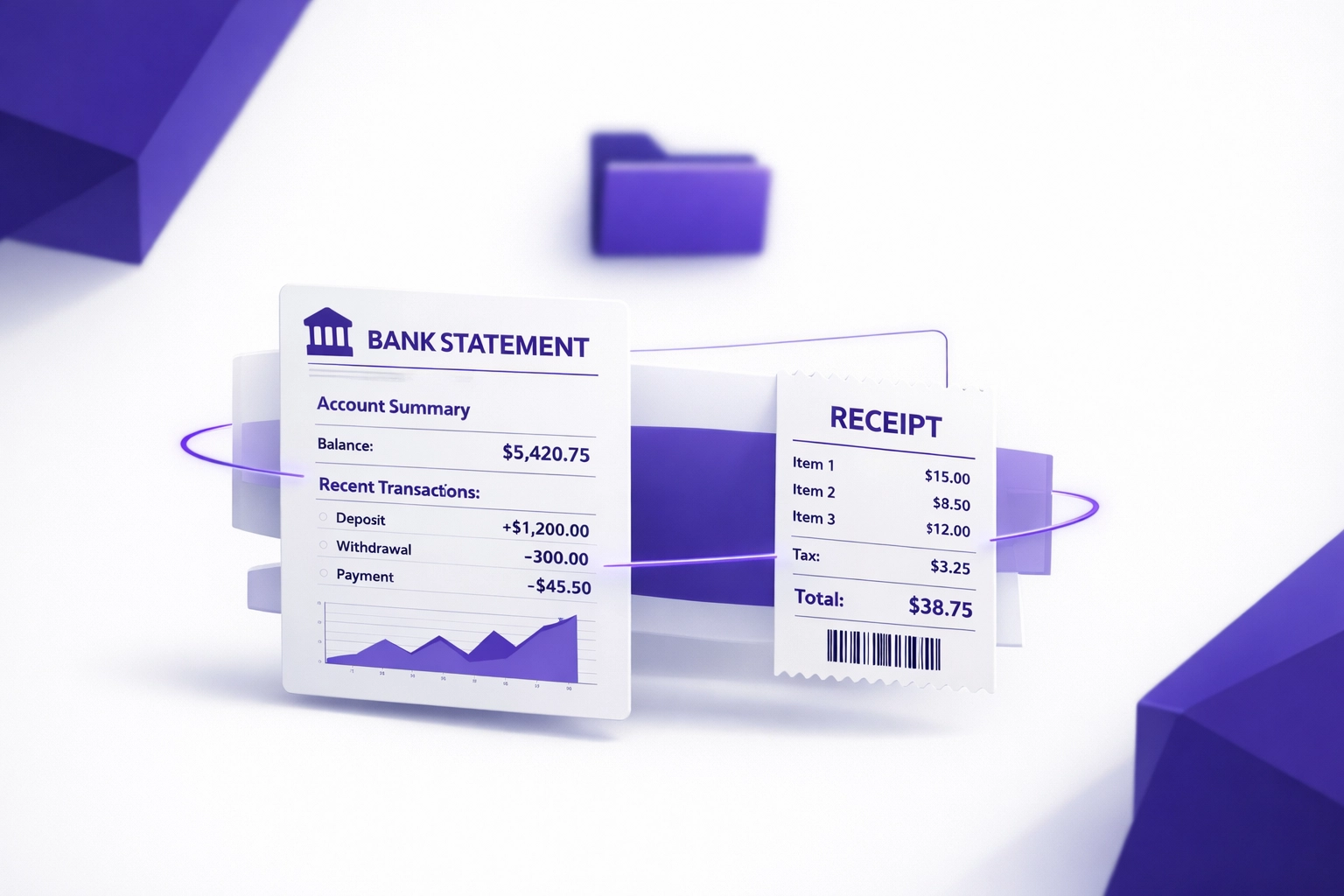
Bank card and receipt folder illustrating bookkeeping software expense tracking features

QBO vs Xero: Which Handles Small Business Bookkeeping Expenses Faster?

Both platforms handle core expense functions well. The difference is in the details.

Receipt Capture

QBO wins here. All plans include mobile receipt capture. Snap a photo, the app reads the vendor and amount, and it matches to your bank feed automatically. This works on Simple Start ($38/month) and up.

Xero limits receipt capture to the Established plan ($90/month). If you’re on Early ($25/month) or Growing ($55/month), you can attach files manually but there’s no OCR magic. For businesses that process a lot of receipts, that’s a dealbreaker.

Bank Rules and Automation

Xero is cleaner here. You can set up bank rules that auto-categorize based on vendor name, amount, or description. It’s more flexible than QBO’s rules engine, which sometimes misfires on partial matches.

QBO has rules too, but they’re buried in the settings. Once you set them up, they work fine. Xero just makes it easier to build and edit them.

Billable Expenses

If you track billable expenses (common for consultants, agencies, and contractors), QBO handles this natively on all plans. You mark an expense as billable, assign it to a client, and it flows into your next invoice.

Xero requires the Growing plan or higher for billable expense tracking. It works similarly but you need to enable “Projects” to assign expenses to clients. If you’re on the cheapest Xero plan, you’re out of luck.

Expense Claims and Reimbursements

QBO includes expense claims on all tiers. Employees submit receipts through the mobile app, you approve, and QBO creates a bill or check for reimbursement.

Xero’s expense claim feature is also available across all plans. It’s actually smoother than QBO in our experience. Employees can submit claims, attach receipts, and you approve in one click. The integration with Xero payroll makes it easy to reimburse through the next pay run.

Multi-Currency Expenses

If you pay international vendors or travel abroad, both platforms support multi-currency. QBO includes it on Plus ($100/month) and Advanced ($235/month). Xero includes it on all plans, which is a nice touch for startups working with overseas contractors.

Sales Tax Tracking on Expenses

QBO handles sales tax natively. You can track which expenses include sales tax and pull reports for quarterly filings. Xero also tracks sales tax but it’s more manual. You assign tax codes to each transaction.

For California businesses, we recommend QBO if you’re dealing with complex sales tax scenarios (multiple jurisdictions, partial exemptions). Xero works fine for straightforward retail or SaaS.

We do not provide income tax advice. All sales tax and payroll tax questions should be confirmed with your CPA. We set up the tracking, they file the returns.

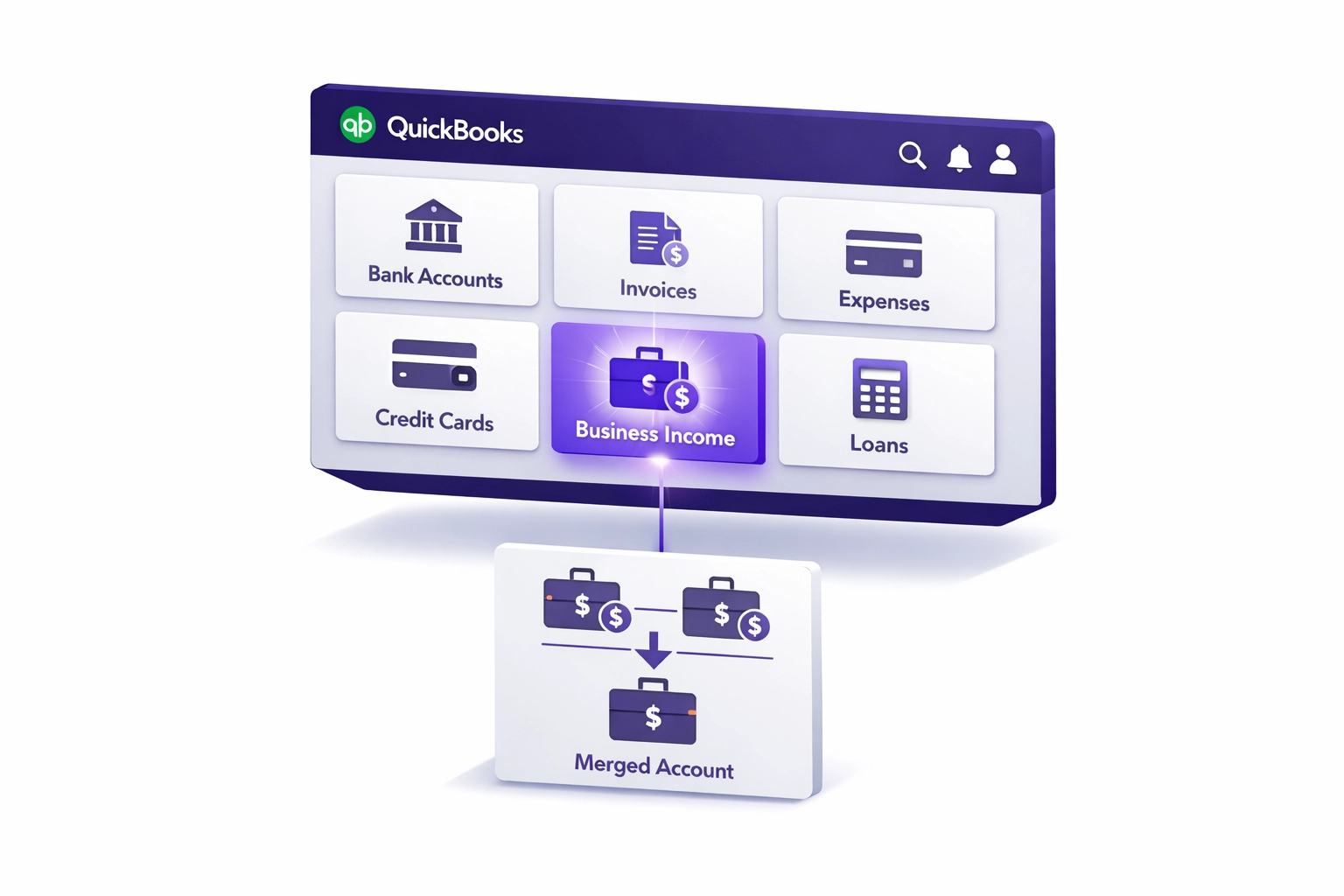
Visual comparison of QuickBooks Online versus Xero for small business expense management

The Real Question: Which One Saves You Time?

If you’re doing your own bookkeeping, Xero’s interface feels faster. It’s less cluttered. Bank reconciliation is smoother. The mobile app is snappier.

If you outsource to a bookkeeper (like us), QBO’s deeper feature set means fewer workarounds. We can automate more of the tedious stuff without duct-taping third-party apps.

For LA-based businesses, we see more QBO implementations because CPAs prefer it for year-end handoff. Xero is growing fast, especially with tech startups and creative agencies.

Here’s how we think about it:

Choose QBO if:

  • You need receipt capture on a budget tier
  • You bill clients for expenses regularly
  • Your CPA already uses QBO for tax prep
  • You want all features unlocked at the $100/month tier

Choose Xero if:

  • You’re cost-sensitive and don’t need advanced expense features
  • You want unlimited users without paying per seat
  • You prefer a cleaner, more modern interface
  • You’re okay with fewer integrations

What Happens When You Work With Us

We handle both platforms daily. If you’re not sure which one fits, we’ll ask about your transaction volume, team size, and whether you need job costing or project tracking.

Then we’ll recommend the right tier and set it up in under a week. You’ll get a clean chart of accounts, automated bank feeds, and a system that actually saves you time instead of creating weekend homework.

Want to talk it through? Book a quick call, and we’ll walk you through your options.

FAQ: QBO vs Xero for Small Business Bookkeeping

Does Xero have receipt capture like QuickBooks?

Yes, but only on the Established plan ($90/month). QBO includes receipt capture on all tiers starting at $38/month. If you snap a lot of receipts, QBO is more cost-effective.

Can I set up automatic bank rules in both systems?

Yes. Both QBO and Xero support bank rules that auto-categorize transactions based on vendor name or amount. Xero’s rule builder is easier to use, but QBO’s works just as well once it’s configured.

Which platform handles multi-currency expenses better?

Xero includes multi-currency on all plans. QBO requires the Plus plan ($100/month) or higher. If you pay international vendors regularly, Xero saves you money here.

Is the mobile app better on QBO or Xero?

Xero’s mobile app is faster and cleaner for basic tasks like receipt capture and expense approval. QBO’s app has more features but feels clunkier. For on-the-go expense tracking, Xero wins on user experience.

How do QBO and Xero handle payroll tax integration?

Both integrate with their own payroll add-ons (QBO Payroll and Xero Payroll). If you use a third-party payroll provider like Gusto or ADP, QBO has more native integrations. Xero works but often requires Zapier or manual journal entries. We do not provide payroll tax advice. Confirm all payroll tax treatment with your CPA.

Can I track sales tax on expenses in both systems?

Yes. QBO tracks sales tax natively, making it easier to pull reports for quarterly filings. Xero requires manual tax code assignment on each transaction. For California businesses with complex sales tax needs, QBO is smoother. Always confirm sales tax filing requirements with your CPA.

What’s the real cost difference for a small business?

Xero’s Growing plan ($55/month) with unlimited users often costs less than QBO Essentials ($75/month) with 3 users. But if you need receipt capture or advanced expense features, you’ll pay $90/month for Xero Established versus $100/month for QBO Plus. The gap is smaller than it looks.

Do CPAs prefer QBO or Xero for year-end collaboration?

Most LA-based CPAs prefer QBO because it integrates directly with ProConnect Tax and Lacerte. Xero works fine but requires more manual export steps. If your CPA already uses one platform, stick with that to avoid conversion headaches at tax time.


Disclaimer: We do not provide income tax advice. This post covers bookkeeping and expense tracking only. All income tax, sales tax, and payroll tax questions should be reviewed with your CPA. We coordinate with your tax preparer to ensure clean records and accurate filings.
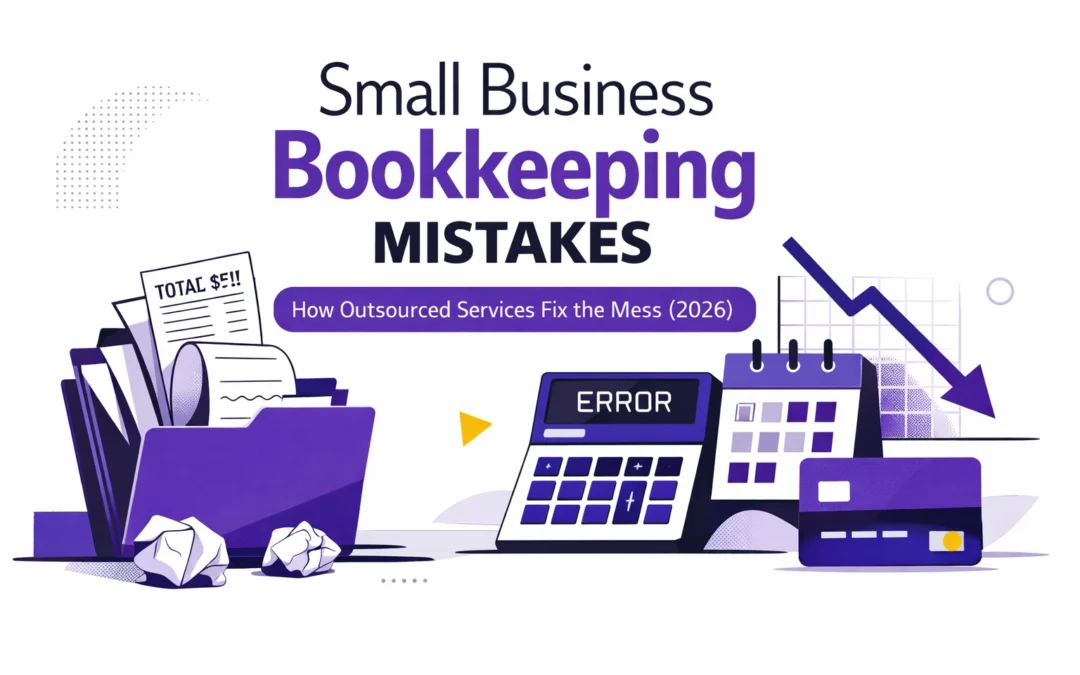
Small Business Bookkeeping Mistakes: How Outsourced Services Fix the Mess (2026)

Small Business Bookkeeping Mistakes: How Outsourced Services Fix the Mess (2026)

Last updated: February 13, 2026

Most small business owners make the same 5-7 bookkeeping mistakes, which cost them time, money, and sleep. The good news? Outsourced bookkeeping services fix these problems systematically through proven workflows and professional oversight. This post walks you through the most common small-business bookkeeping errors and explains exactly how bringing in a dedicated team eliminates them.

Who this is for: Small business owners who feel behind on their books, aren’t sure their numbers are accurate, or spend too many hours trying to keep up with transactions.

Disclaimer: We coordinate with CPAs for income tax planning and filing. This post focuses on bookkeeping best practices, not tax advice. Always confirm tax strategies with your CPA.

The 5 Most Expensive Small Business Bookkeeping Mistakes

1. Mixing Personal and Business Finances

This is the number one mistake we see among new clients.

When you pay for groceries with your business card or cover payroll from your personal account, you create chaos. Your profit and loss statement becomes meaningless. Tax deductions get missed. And if the IRS ever audits you, the lack of clean separation becomes a serious problem.

How outsourced bookkeeping fixes it: Professional bookkeepers set up proper account structures from day one. We monitor transactions in real time and flag anything that looks personal. If something needs to be reclassified, we handle it immediately, not six months later when you’re trying to remember what that $47 charge was for.

Separating personal and business finances with organized bookkeeping services

2. Skipping Monthly Reconciliations

If you’re not reconciling your bank accounts and credit cards every single month, errors are compounding right now.

A missing deposit here. A duplicate charge there. By the time you catch it, you’ve lost track of what happened and why your cash balance doesn’t match your bank statement.

The worst part is that some business owners try to “force” reconciliation by making adjusting entries to close the gap.

How bookkeeping services fix it: We reconcile every account every month, without exception. When something doesn’t match, we dig in and find the root cause. No Band-Aids. No forced balances. Just clean, accurate books that give you a true picture of your cash position.

3. Disorganized Expense Documentation

Shoebox full of receipts. Random photos on your phone. Emails you meant to file but didn’t.

Ongoing small business bookkeeping usually runs $300 to $1,200 per month, depending on transaction volume and complexity.

And if you can’t document the expense, you lose the deduction.

How outsourced bookkeeping fixes it: Modern bookkeeping services use cloud-based tools that capture and store receipts digitally. We categorize them correctly as they come in. Everything is searchable, backed up, and ready if your CPA or the IRS ever asks for proof.

4. Waiting Until Year-End to Update Books

This one hurts.

It feels efficient to batch everything until December. In reality, it creates a cleanup project that takes weeks, costs more, and still leaves gaps because you can’t remember what happened in March.

As a result, you’ve been flying blind all year. You don’t know if you’re profitable. You don’t know your real cash runway. And you can’t make smart decisions about hiring, investing, or cutting costs.

How bookkeeping services fix it: Small-business bookkeeping should be done weekly or monthly, not annually. We update your books on a regular cadence so your financial reports are always current. You get real-time visibility into profit, cash flow, and runway. That means you can make decisions based on facts, not guesses.

Monthly bookkeeping schedule with consistent updates for small business

5. Misclassifying Expenses and Income

Here’s a quick test: Do you know the difference between a cost of goods sold expense and an operating expense? What about contractor payments that should be tracked separately for 1099 reporting?

Most business owners don’t. And that’s fine, as long as someone on your team does.

Misclassification distorts your financial statements. It makes your gross margin look better or worse than it actually is. It throws off your tax filings. And it creates problems when your CPA reviews your books at year-end.

How outsourced bookkeeping fixes it: Professional bookkeepers know the chart of accounts inside and out. We categorize transactions correctly the first time. Meals and entertainment go in the right buckets. Software subscriptions get tracked separately. Contractor payments get flagged for 1099 purposes. Your financial reports become accurate tools for decision-making, not guesswork.

What Outsourced Bookkeeping Actually Looks Like

Let’s get specific about what happens when you bring in a professional team.

Onboarding (Week 1) 

We connect to your bank accounts, credit cards, and accounting software (usually QuickBooks Online or Xero). Then we review your chart of accounts and clean up any obvious issues.

Ongoing Workflow (Weekly or Monthly)

We categorize transactions, reconcile accounts, and update your books on a weekly or monthly schedule. You get a Slack channel or email thread where you can ask questions as they come up.

Monthly Close

We send you a profit and loss statement, balance sheet, and cash flow summary. In addition, we flag anything unusual and explain what changed compared to last month.

Year-End Handoff

We coordinate with your CPA and provide clean, reconciled books, along with the reports they need for the tax return. No surprises. No last-minute scrambling.

This is the workflow we use at Books LA. It’s designed to keep small business bookkeeping current, accurate, and stress-free.

This is the workflow we use at Books LA. It’s designed to keep small business bookkeeping current, accurate, and stress-free.

Who Should Consider Outsourced Bookkeeping?

You’re a good fit if:

  • You spend more than 5 hours a week on bookkeeping, and you hate it
  • You’re not confident that your books are accurate
  • You’ve fallen behind and need a cleanup
  • You’re hiring or raising money and need investor-ready financials
  • You want to work with a CPA but your books aren’t ready for them to review

You’re probably not ready if:

  • Monthly revenue is under $10K
  • You only have about 10 transactions per month
  • You genuinely enjoy bookkeeping and have time for it

Outsourced bookkeeping vs DIY: organized books compared to disorganized records

The Cost and Timeline

Cleanup projects typically cost $1,500 to $5,000, depending on how many months of backlog there are and how messy the records are. Most cleanups take 2 to 4 weeks.

Ongoing small business bookkeeping usually runs $300 to $1,200 per month, depending on transaction volume and complexity. Most businesses land in the $500 to $800 range.

At Books LA, we offer transparent monthly packages so you know exactly what you’re paying and what’s included.

What You Need to Get Started

If you’re ready to bring in outsourced bookkeeping, here’s what we need from you:

  • Access to your bank accounts and credit cards (read-only)
  • Log in to your accounting software (QBO or Xero)
  • Any outstanding receipts or invoices
  • About 30 minutes for an onboarding call

That’s it. We handle the rest.

Common Objections (And Why They Don’t Hold Up)

“I can’t afford it.”

Calculate how much time you spend on bookkeeping each month. Multiply that by your hourly rate. Now add the cost of mistakes, missed deductions, and financial decisions made without accurate data. Outsourced bookkeeping almost always pays for itself.

“I don’t want to give up control.”

You’re not giving up control. You’re gaining visibility. You still own the business and the decisions. You just have a team making sure your financial data is accurate and current.

“My books are too messy.”

That’s exactly why you need help. We specialize in cleanup projects. Messy books are our starting point, not a dealbreaker.

Ready to Fix Your Books?

If you’re tired of falling behind, guessing at your numbers, or spending weekends trying to reconcile accounts, let’s talk. We’ll review your situation, explain what’s involved, and give you a clear timeline and price.

No pressure. No long contracts. Just honest advice about whether outsourced bookkeeping makes sense for your business right now.


Frequently Asked Questions

How long does a bookkeeping cleanup take?

Most cleanup projects take 2 to 4 weeks, depending on how many months are behind. If you’re only 3 months behind with simple transactions, we can usually finish in a week. If you’re 2 years behind with complicated revenue streams, expect closer to a month.

What’s the difference between a bookkeeper and a CPA?

Bookkeepers handle day-to-day transaction recording, reconciliations, and financial reporting. CPAs focus on tax planning, tax returns, and strategic financial advice. You need both. We work directly with your CPA to make sure your books are ready for tax season.

Can you work with my existing QuickBooks or Xero file?

Yes. We work with whatever accounting software you’re already using. If you’re starting from scratch, we’ll help you choose the right platform and set it up correctly.

Do I have to sign a long-term contract?

No. Our ongoing small business bookkeeping services are month-to-month. If it’s not working, you can cancel anytime. Most clients stay because the value is obvious once their books are current.

What if I have questions between monthly reports?

You get direct access to your bookkeeper via email or Slack. Most questions get answered the same day. If something needs a longer conversation, we’ll schedule a quick call.

How do you handle industry-specific bookkeeping needs?

We work with businesses across different industries, including construction, professional services, and retail. If your industry has specific requirements (like job costing or inventory tracking), we configure your chart of accounts and workflows to match.

What happens if you make a mistake?

We carry professional liability insurance and fix any errors immediately at no cost to you. Mistakes are rare because we have quality control checks built into our workflow, but if something slips through, we own it.

Can you help with sales tax or payroll tax?

Yes. We track sales tax obligations, prepare reports, and coordinate filings. For payroll tax, we work with your payroll provider to make sure everything is recorded correctly in your books. For income tax questions, we coordinate with your CPA.
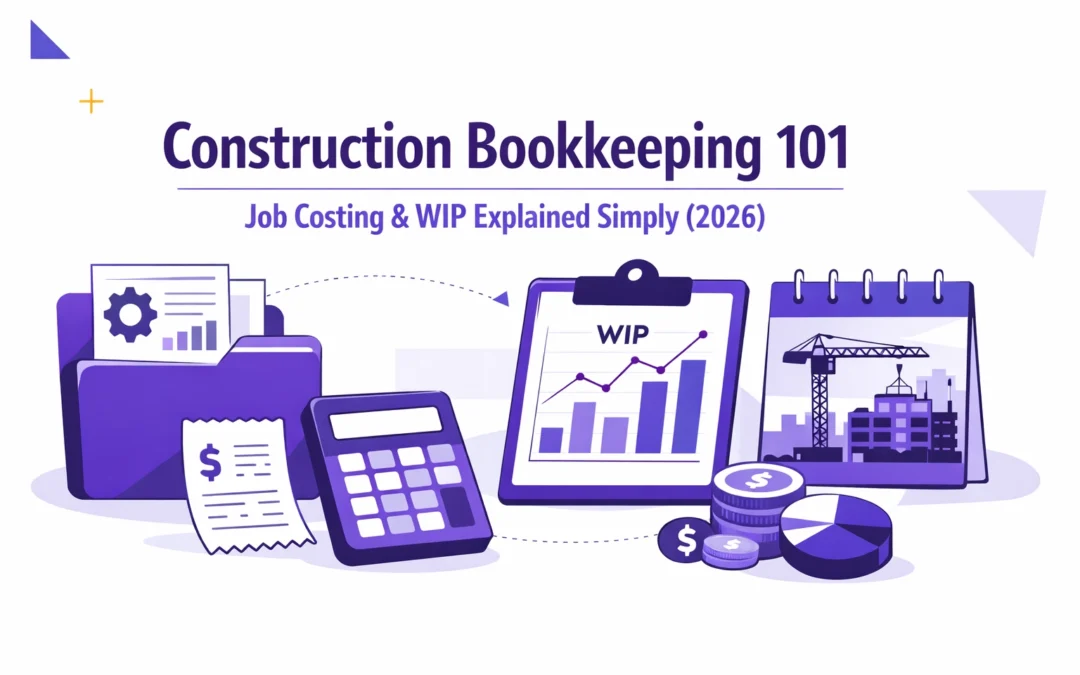
QuickBooks Online Banking Page Driving You Crazy? Match vs. Categorize (2026 Update)

QuickBooks Online Banking Page Driving You Crazy? Match vs. Categorize (2026 Update)

Last updated: February 11, 2026

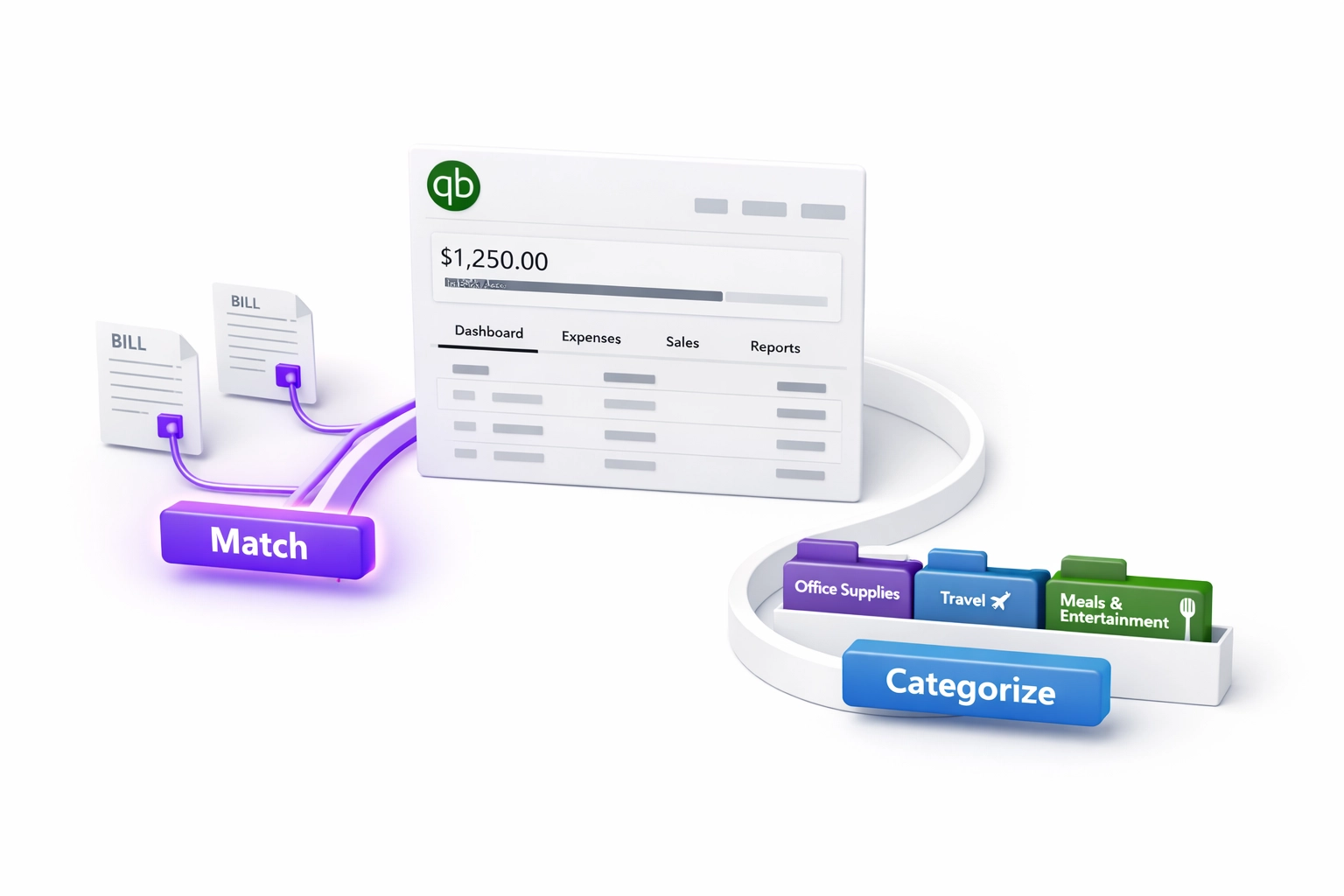
Match links a downloaded bank transaction to something you already entered in QuickBooks (like a bill payment or invoice). Categorize assigns an expense or income category to a brand-new transaction QuickBooks hasn’t seen before.

If you’re staring at hundreds of uncategorized transactions and clicking the wrong button every time, you’re wasting hours. This post walks you through exactly when to match, when to categorize, and how QuickBooks’ 2026 AI updates make both easier (if you know what to look for).

Why This Matters for Your Books

Every time you hit “Match” on a transaction that should be categorized, you create a duplicate entry. Every time you categorize something that already exists, you double-count an expense or sale.

The fix is simple once you know the difference. But if you’re doing it wrong, your P&L is off, your reconciliation won’t balance, and your CPA will have questions.

Here’s the decision rule: if you already entered it manually (bill, invoice, bank deposit, transfer), use Match. If it’s new and you haven’t recorded it yet, use Categorize.

What “Match” Actually Does

When QuickBooks downloads a transaction from your bank feed, it checks your existing records. If it finds something with a similar vendor name, date, and amount, it suggests a match.

Matching does three things:

  • Links the bank transaction to your existing record (bill payment, invoice payment, deposit, or transfer).
  • Marks both as “cleared” so they show up in your reconciliation.
  • Prevents duplicate entries in your books.

QuickBooks can now suggest partial matches and combined matches (like one bank withdrawal that covers two bills). You’ll see a confidence score. When it says “top suggestion,” QuickBooks is pretty sure. When it says “consider,” double-check before you click.

QuickBooks Online match and categorize decision paths for bank transactions

If the suggested match looks wrong, click “find other matches” or switch to “categorize” and treat it as a new transaction.

What “Categorize” Actually Does

Categorizing assigns a transaction to a specific account on your chart of accounts. You’re telling QuickBooks: this expense is Office Supplies, this deposit is Sales, this withdrawal is Meals.

Once you categorize a transaction and click “Add” (or “Post”), QuickBooks records it as a new journal entry. It won’t link to anything you entered manually.

This is what you use for:

  • Credit card charges you never entered as bills.
  • Bank transfers that weren’t recorded yet.
  • Vendor payments made directly from your bank account.
  • Customer deposits that didn’t come through an invoice.

QuickBooks will suggest categories based on your history with that vendor, the memo line from the bank, and similar past transactions. If you always categorize Staples as Office Supplies, it will suggest that again.

The key tip: fill out the “Payee” column every time. That’s how QuickBooks learns. The more consistent you are, the better the AI suggestions get.

The Best Tips and Tricks for Bookkeeping in QuickBooks Online

Here are the practical tips and tricks for bookkeeping that keep your banking page clean and your books accurate.

Workflow habits (speed + accuracy)

Workflow habits (speed + accuracy)

  1. Review your bank feed daily or weekly, not monthly.

    The longer you wait, the harder it is to remember what each transaction was for. Daily takes 5 minutes. Monthly takes 3 hours and you’ll make mistakes.

  2. Check the “Categorized” tab for mistakes.

    QuickBooks moves categorized transactions into a separate tab. Review this weekly to catch accidental duplicates or wrong categories before month-end close.

Automation (rules that save time)

  1. Set up bank rules for repeat transactions.

    If you pay the same vendor every month (software, rent, insurance), create a rule. QuickBooks will auto-categorize it going forward. Rules work for both Match and Categorize.

Split and classify correctly

  1. Use the split feature for mixed transactions.

    If one bank withdrawal covers Office Supplies and Meals, don’t just categorize it as “Other Expense.” Click “Split” and assign each portion to the correct account.

  2. Learn the difference between “transfer” and “categorize.”

    If you’re moving money from checking to savings, that’s a transfer (not an expense). If you’re paying a vendor, that’s an expense (categorize it). This is one of the most common mistakes we see in small business bookkeeping.

Reconciliation order (prevents duplicates)

  1. Reconcile your bank account before you categorize everything.

    Start by matching the transactions you already entered. Then categorize the rest. This keeps your reconciliation clean and catches duplicate entries early.

What to exclude (keeps P&L clean)

  1. Use the “Exclude” button for personal expenses and transfers between your own accounts.

    Don’t categorize your owner’s draw as an expense. Exclude it. Same for transfers between checking and savings. QuickBooks still records the bank activity, but it won’t hit your P&L.

  2. Don’t skip the payee column.

    QuickBooks uses this to suggest future matches and categories. If you leave it blank, you’re training the system to give you bad suggestions.

These simple tips and tricks for bookkeeping can save you hours every month and prevent costly mistakes at tax time.

What Our Bookkeeping Services Include

We’re a Los Angeles-based bookkeeping firm certified in QuickBooks Online and Xero. Here’s what we handle when you work with us:

  • Clean up your existing QuickBooks file (uncategorized transactions, duplicate entries, wrong account mappings).
  • Set up your chart of accounts and bank rules to speed up categorization.
  • Review and categorize your bank feed weekly or monthly (your choice).
  • Reconcile all bank and credit card accounts.
  • Close your books each month and send you clean financials (P&L, balance sheet, cash flow).
  • Coordinate with your CPA for income tax filing (we don’t provide income tax advice, but we make sure your records are ready).

We also handle sales tax tracking, payroll reconciliation, and business license renewals when needed. Every client gets a dedicated bookkeeper and access to our team in LA.

Want to see what clean books look like? Book a 15-minute call and we’ll walk you through your current QuickBooks file.

Organized bookkeeping system showing categorized transactions and matched records

How Much Professional Bookkeeping Cleanup Costs

Cleanup pricing depends on how many months of transactions you need categorized, how messy your chart of accounts is, and whether you have payroll or sales tax to reconcile.

Here’s the typical range:

  • Light cleanup (3 months or less, no major errors): $500 to $1,200
  • Standard cleanup (6 to 12 months, duplicate entries, some payroll): $1,500 to $3,500
  • Heavy cleanup (2+ years, multiple entities, construction job costing): $4,000 to $8,000+

Most small businesses fall into the standard range. We give you a fixed quote after a 15-minute review of your QuickBooks file.

Ongoing monthly bookkeeping starts at $400/month for simple service businesses with one bank account and one credit card. If you have payroll, inventory, or multi-state sales tax, expect $600 to $1,200/month, depending on transaction volume.

We don’t charge by the hour. You get a flat monthly rate so you can budget.

How Long Does the Training Process Takes

If you’re doing your own bookkeeping and want to learn the right tips and tricks for bookkeeping in QuickBooks, here’s the realistic timeline:

  • Week 1: Learn the difference between Match and Categorize. Set up your chart of accounts correctly.
  • Week 2: Create bank rules for your top 10 repeat vendors. Practice categorizing transactions daily.
  • Week 3: Run your first reconciliation. Fix any errors from the first two weeks.
  • Week 4: Close your first month-end. Review your P&L and balance sheet for obvious mistakes (negative inventory, inflated expenses, wrong sales totals).

Most business owners can handle basic categorization and matching in 2 to 3 weeks if they commit 30 minutes per day. The hard part is staying consistent. That’s where most DIY bookkeeping falls apart.

If you don’t have time to train yourself or you’re already behind, outsourcing is faster. We can clean up 6 months of transactions in 2 to 3 weeks and train you on the basics during the process.

When to Match vs. When to Categorize: Quick Decision Chart

Here’s the decision tree we use:

Was this transaction entered in QuickBooks already as a bill payment, invoice payment, deposit, or transfer?

  • Yes → Match it.
  • No → Categorize it.

Next, look at QuickBooks’ match suggestion and confidence score.

  • Green confidence score, and amount/date/vendor match → Accept the match.
  • No suggestion, or details look wrong → Switch to Categorize.

Finally, handle internal money moves correctly.

  • Transfer between your own bank accounts → Use Transfer (not Categorize).
  • Vendor payment or customer deposit → Categorize it.

If you’re not sure, check your existing records first. Search for the vendor name and amount in your expense or bill list. If you find it, match. If you don’t, categorize.

These tips and tricks for bookkeeping work for 95% of transactions. The other 5% (complex splits, partial refunds, foreign currency) require custom handling.

Common Mistakes We Fix All the Time

Duplicate transactions from matching and categorizing the same item.

This inflates your expenses and throws off your reconciliation. Always check your existing records before you hit “Add.”

Categorizing owners’ draws as business expenses.

Your personal withdrawals are not deductible. Use the Exclude button or categorize them as Owner’s Draw (equity account, not expense).

Using “Ask My Accountant” as a catch-all category.

This is fine as a temporary placeholder, but don’t let it pile up. Review and recategorize these monthly.

Ignoring the bank feed for weeks, then rushing through 200 transactions in one sitting.

You’ll make mistakes. Daily or weekly reviews are faster and more accurate.

Not reconciling before you file taxes.

Your CPA needs reconciled books. If your bank balance doesn’t match QuickBooks, something is wrong.

Want us to audit your QuickBooks file and catch these mistakes before they cost you? Request a free bookkeeping review.

Organized small business bookkeeping workspace with receipts, calculator, and calendar

FAQ: Match vs. Categorize in QuickBooks Online

What happens if I accidentally categorize a transaction that was already entered?

You’ll create a duplicate entry. Your expense total will be wrong and your reconciliation won’t balance. To fix it: go to your Categorized tab, find the duplicate, and delete it. Then go back to the Banking tab and match it to the original entry.

Why does QuickBooks suggest the wrong match sometimes?

The AI looks at vendor name, date, and amount. If you have two similar transactions in the same week, it might suggest the wrong one. Always check the details before you accept a match. If it’s wrong, click “find other matches” or switch to “categorize.”

Can I undo a match after I’ve accepted it?

Yes. Go to your bank register, find the matched transaction, and click “Undo.” This unlinks the bank download from your original entry. You can then re-match it to the correct transaction or categorize it fresh.

How do I handle a bank withdrawal that covers two different bills?

Use the Split feature. Click “Split” instead of selecting a single category. Then assign each portion to the correct vendor and account. QuickBooks will match or categorize each split line separately.

What if my payroll shows up as one big bank withdrawal?

Don’t categorize it as “Payroll Expense.” Match it to your payroll journal entry (if your payroll software syncs to QuickBooks) or categorize it as a split between Payroll Expenses, Payroll Taxes, and Employee Reimbursements. Get help from your bookkeeper or payroll provider if you’re not sure how to split it.

Should I categorize sales tax collected or exclude it?

If you collect sales tax from customers, don’t categorize it as income. Set up a Sales Tax Liability account and categorize sales tax separately from your revenue. QuickBooks has built-in sales tax tracking that automates this if you turn it on.

Does it matter if I use QuickBooks Desktop vs. QuickBooks Online for these steps?

The Match and Categorize workflow only exists in QuickBooks Online. Desktop uses a different bank feed system called “Bank Feeds” with Add, Match, and Record options. The logic is similar, but the buttons and screens look different.

Should I connect my bookkeeper or CPA to my bank feed?

Yes, if they’re handling your monthly categorization. They can review and match transactions without needing your bank login. Make sure they’re set up as a user in QuickBooks with the right permissions. We coordinate with CPAs regularly for income tax prep, but we handle the bookkeeping side (categorization, reconciliation, and financial close).


Disclaimer: This post covers bookkeeping processes in QuickBooks Online. We do not provide income tax advice. For questions about tax deductions, filing deadlines, or tax strategy, consult your CPA. We work closely with CPAs to ensure your books are accurate and ready for tax filing.

Need help getting your QuickBooks banking page under control? We’re LA-based, QBO and Xero certified, and we specialize in cleanup and monthly bookkeeping for small businesses. Book a call or check out our bookkeeping services to see what we include.

Bookkeeping Cleanup: How Small Businesses Get Back on Track in 30 Days (2026)

Bookkeeping Cleanup: How Small Businesses Get Back on Track in 30 Days (2026)

Last updated: February 13, 2026

Yes, you can complete a bookkeeping cleanup in 30 days, even if your books are months (or years) behind. Most small businesses catch up within 2 to 4 weeks with focused effort and proper planning. This guide walks you through the exact steps, what it costs, and how to prevent future backlogs.

This is for business owners who know their books are messy, tax season is approaching, or you need clean financials for a loan or investor meeting.

What a Bookkeeping Cleanup Actually Includes

A bookkeeping cleanup is the process of correcting and organizing your financial records to reflect what actually happened in your business.

Here's what gets fixed:

  • Bank reconciliations for all accounts (checking, savings, credit cards, loans)
  • Transaction categorization so expenses and income land in the correct accounts
  • Duplicate removal and data entry error corrections
  • Accounts payable and receivable review to catch unpaid bills and outstanding invoices
  • Vendor and customer record cleanup to remove duplicates and update outdated information
  • Financial report generation including profit and loss statements, balance sheets, and cash flow reports

Organized financial documents showing what's included in a bookkeeping cleanup service

The goal is simple: make your books match reality so you can make informed decisions and stay compliant.

How Long Bookkeeping Cleanup Actually Takes

Timeline depends on how far behind you are and how organized your records are before you start.

Few months behind: 3 to 7 days
Six months to one year behind: 1 to 2 weeks
Multiple years of messy records: 3 to 4 weeks

The biggest time saver? Pre-organization. Before your cleanup starts, gather all bank statements, credit card statements, receipts, invoices, loan documents, and transaction records from payment processors like PayPal, Stripe, and Square.

If you hand over a shoebox of random receipts, cleanup takes longer. If you hand over organized files sorted by month, you'll finish faster.

The 7-Step Bookkeeping Cleanup Process

Here's the exact workflow we use for our bookkeeping services in Los Angeles:

Step 1: Gather all financial documents
Collect bank statements, credit card statements, receipts, invoices, 1099 forms, payroll records, and loan documents. Download transaction exports from all payment processors.

Step 2: Reconcile bank and credit card accounts
Compare every transaction in your accounting software to your bank statements. Mark each transaction as cleared when it matches. Fix discrepancies immediately.

Step 3: Fix data entry errors
Remove duplicate transactions, correct wrong amounts, and move transactions that landed in the wrong accounts. Compare entries to source documents like invoices and receipts.

Step 4: Categorize transactions properly
Assign every transaction to the correct expense or income category. This is critical for tax deductions and financial reporting accuracy.

Step 5: Review accounts payable and receivable
Check for unpaid vendor bills that should be recorded. Verify outstanding customer invoices and follow up on overdue payments.

Step 6: Clean up vendor and customer records
Update vendor names, addresses, and tax IDs. Combine duplicate accounts. Ensure W-9 forms are on file for all contractors.

Step 7: Generate updated financial reports
Run profit and loss statements, balance sheets, and cash flow reports. Review them for accuracy and outliers.

Seven-step bookkeeping cleanup process diagram from bank reconciliation to financial reports

What Bookkeeping Cleanup Costs

Professional bookkeeping cleanup typically costs $300 to $800 per month depending on transaction volume, how far behind you are, and software complexity.

Pricing factors:

  • Number of months or years to catch up
  • Transaction volume (more transactions = more time)
  • Software platform (QuickBooks Online, Xero, etc.)
  • Industry complexity (construction job costing takes longer than basic retail)

Many bookkeepers charge hourly ($50 to $150 per hour) or offer flat-rate packages for specific timeframes (example: $600 for six months of cleanup).

DIY cleanup is free but takes significantly longer if you're not familiar with accounting software or reconciliation processes.

DIY vs. Hiring a Professional for Bookkeeping Cleanup

Go DIY if:

  • You're comfortable with QuickBooks or Xero
  • You have dedicated time for detailed transaction review
  • Your records are only a few months behind
  • You don't need GAAP compliance for loans or investors

Hire a professional if:

  • You need to meet IRS compliance requirements quickly
  • You're preparing for tax filing, loan applications, or funding rounds
  • Your books are years behind
  • You want to ensure proper categorization for maximum tax deductions
  • You need help setting up systems to prevent future messes

Professionals spot issues you might miss, like miscategorized loan payments, personal expenses mixed with business transactions, or missing 1099 contractor payments. Within a 30-day bookkeeping cleanup window, the investment often pays for itself in time saved and stress avoided.

Before and after comparison of messy financial records transformed through professional bookkeeping cleanup

Common Bookkeeping Cleanup Mistakes (and How to Avoid Them)

Mixing personal and business expenses
Use separate bank accounts and credit cards for business. If you already mixed them, create a "Owner's Draw" or "Owner's Investment" account to track personal transactions separately.

Ignoring bank reconciliation
Reconciliation is not optional. It's how you catch bank errors, fraud, duplicate entries, and missing transactions. Reconcile monthly at minimum.

Wrong expense categories
"Miscellaneous" should never be your biggest expense category. Proper categorization affects tax deductions and financial analysis. When in doubt, ask your CPA.

Not tracking accounts receivable
If you don't record unpaid customer invoices, your profit and loss statement shows revenue you haven't actually collected. This distorts cash flow planning.

Deleting transactions instead of voiding them
Never delete. Always void or create correcting entries. This maintains an audit trail.

Preventing Future Bookkeeping Messes

Once your bookkeeping cleanup is complete, set up monthly maintenance to stay current:

Weekly tasks:

  • Download and review bank transactions
  • Attach digital receipts to transactions in your accounting software
  • Send customer invoices promptly

Monthly tasks:

  • Reconcile all bank and credit card accounts
  • Review profit and loss statement for unusual entries
  • Follow up on overdue customer invoices
  • Pay vendor bills on time

Quarterly tasks:

  • Review balance sheet for accuracy
  • Check accounts receivable aging report
  • Verify payroll tax deposits and filings
  • Meet with your CPA to review financials

Use automation wherever possible. Cloud accounting systems like QuickBooks Online and Xero offer bank feeds, recurring invoices, and automated payment reminders that reduce manual entry and prevent data backlogs.

What You Need Before Starting a Bookkeeping Cleanup

Before you start (or before you hand off to a bookkeeper), gather:

  • Bank statements for all accounts (checking, savings, credit cards)
  • Loan documents and payment schedules
  • Receipts (digital or physical)
  • Invoices sent to customers
  • Bills received from vendors
  • Payroll records and tax filings
  • Prior year tax returns
  • Transaction exports from PayPal, Stripe, Square, Venmo, or other payment processors
  • Any previously prepared financial statements

The more organized these materials are before you begin, the faster your cleanup goes.

Monthly bookkeeping maintenance schedule showing weekly and quarterly tasks to prevent future cleanup

Important disclaimer: We do not provide income tax advice. We work with CPAs for all income tax matters. Always confirm tax treatment of transactions with your CPA. Our focus is accurate bookkeeping and financial record maintenance.

Ready to Get Your Books Back on Track?

If your books are behind and you need them cleaned up fast, we can help. Our bookkeeping services in Los Angeles include full cleanup, monthly maintenance, and setup systems to keep you current year-round.

Book a short call to discuss your specific situation. We'll walk through what's needed, give you a timeline, and provide transparent pricing. No pressure, just clear next steps.


Frequently Asked Questions About Bookkeeping Cleanup

How far back can I go with a bookkeeping cleanup?
There's no limit. We've cleaned up records going back five years or more. The further back you go, the longer it takes and the more source documents you'll need to track down. Most businesses focus on the current tax year and prior year first.

Can I do a bookkeeping cleanup myself?
Yes, if you're comfortable with accounting software and have time for detailed transaction review. Expect to spend 10 to 40 hours depending on how far behind you are. Most business owners find it faster and less stressful to hire a professional.

What happens if I'm missing receipts or bank statements?
You can request historical statements from your bank (usually up to seven years). For missing receipts, document the expense with whatever records you have (credit card statements, vendor invoices, email confirmations). Your CPA can advise on documentation requirements for tax deductions.

Will bookkeeping cleanup fix my tax problems?
Cleanup provides accurate financial records your CPA needs to prepare correct tax returns. It doesn't provide tax advice or represent you to the IRS. If you have tax issues, work with a CPA or tax attorney. We coordinate with your CPA to ensure your books support proper tax filing.

How much does bookkeeping cleanup cost for a year of messy books?
Expect $800 to $2,000 for one year of cleanup depending on transaction volume and complexity. Construction businesses with job costing take longer than service businesses with simple income and expenses. Get quotes from 2 to 3 bookkeepers to compare.

Do I need bookkeeping cleanup if I use QuickBooks or Xero?
Software doesn't guarantee accuracy. If you've been entering transactions incorrectly, haven't reconciled accounts, or mixed personal and business expenses, you still need cleanup regardless of what software you use. The software is only as good as the data you put in.

What's the difference between bookkeeping cleanup and a monthly bookkeeping service?
Cleanup is a one-time project to catch up past months or years. Monthly service is ongoing maintenance to keep your books current. Most businesses do cleanup first, then transition to monthly service to stay on track.

Can bookkeeping cleanup help me get a business loan?
Yes. Lenders require accurate, up-to-date financial statements. A bookkeeping cleanup ensures your profit and loss statement, balance sheet, and cash flow reports reflect your actual financial position. Clean books increase your chances of loan approval.

Is Outsourced Bookkeeping Worth It? 10 Things LA Business Owners Should Know (2026)

Is Outsourced Bookkeeping Worth It? 10 Things LA Business Owners Should Know (2026)

Last updated: February 11, 2026

Hiring bookkeeping services los angeles typically saves LA businesses 30-40% compared to hiring full-time staff, while freeing up 10-15 hours per week for revenue-generating work. For most startups and small businesses in Los Angeles, outsourced bookkeeping pays for itself in time savings, error reduction, and better financial visibility.

This post is for LA business owners deciding whether to handle bookkeeping in-house or outsource it. You'll learn what professional bookkeepers actually do, what it costs, how long setup takes, and whether it makes sense for your business stage.

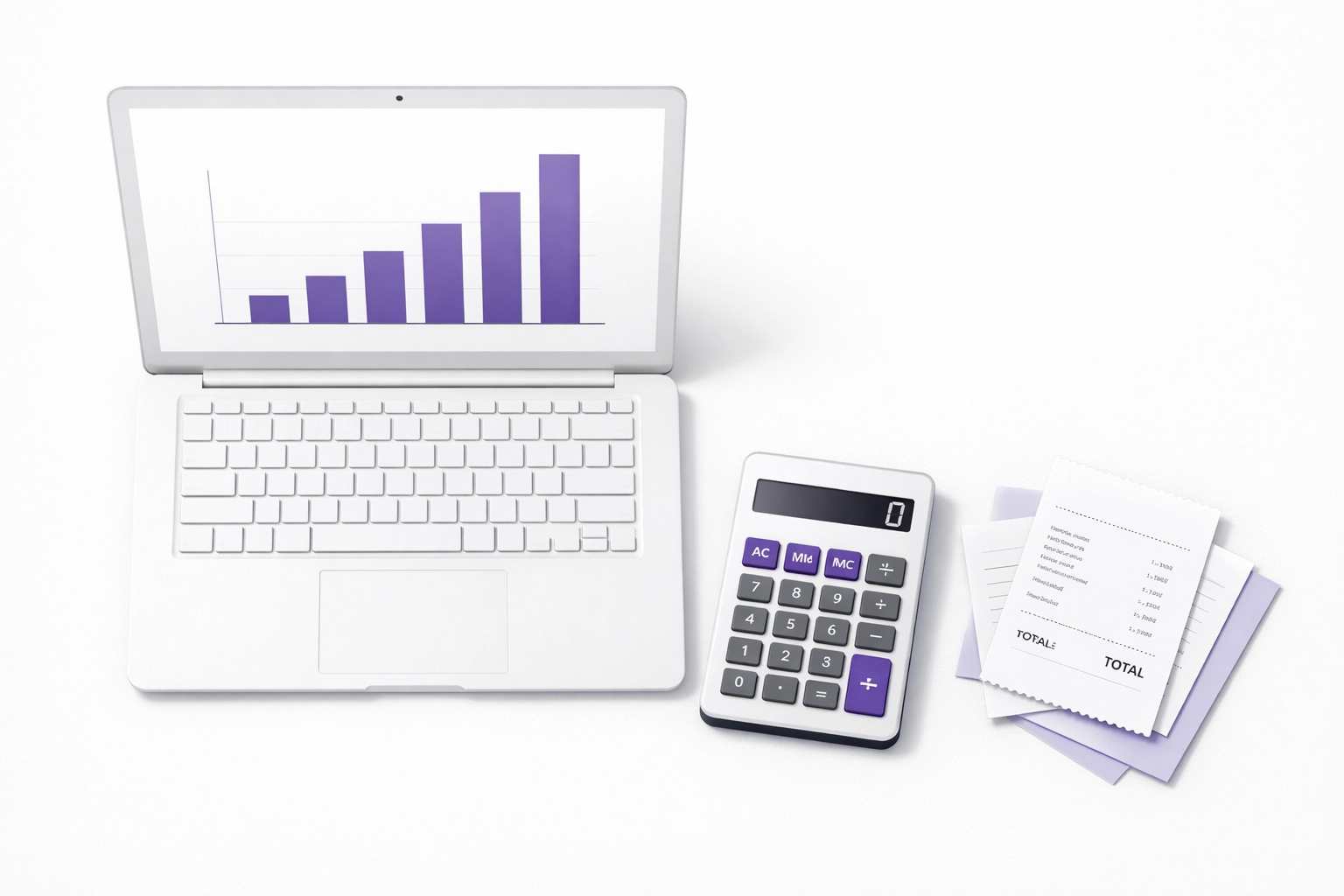
Organized bookkeeping workspace with laptop showing financial charts and calculator for LA businesses

1. What Our Bookkeeping Services Include

When you hire bookkeeping services los angeles, you get a full monthly close process without the overhead of a full-time employee.

Here's what's typically included:

  • Bank and credit card reconciliation (all accounts)
  • Transaction categorization using your chart of accounts
  • Accounts payable and receivable tracking
  • Monthly financial statements (P&L, balance sheet, cash flow)
  • Sales tax tracking and reporting (for multi-state or economic nexus situations)
  • Payroll tax reconciliation (we coordinate with your payroll provider)
  • QuickBooks Online or Xero setup and ongoing maintenance

We don't provide income tax advice. That stays with your CPA. We make sure your books are clean, accurate, and ready for tax prep when the time comes.

Most LA-based bookkeepers are certified in QBO and Xero, so you keep control of your software while we handle the daily work.

2. How Much Bookkeeping Services Los Angeles Cost

Pricing depends on transaction volume, not revenue.

Here's the typical range for LA businesses:

  • Startups (0-50 transactions/month): $300-$500/month
  • Small businesses (51-150 transactions/month): $500-$900/month
  • Growing businesses (151-300 transactions/month): $900-$1,500/month
  • Higher volume or multi-entity: $1,500-$3,000/month

Compare that to hiring a full-time bookkeeper in Los Angeles:

  • Salary: $50,000-$65,000/year
  • Benefits (health, 401k, payroll tax): $15,000-$20,000/year
  • Office space and equipment: $3,000-$5,000/year
  • Total: $68,000-$90,000/year

Outsourced bookkeeping runs $3,600-$18,000/year for most small businesses. That's a 40-60% savings.

One-time cleanup projects (if your books are behind) typically cost $500-$3,000 depending on how many months you need to catch up.

3. How Long the Setup Process Takes

Most bookkeeping services los angeles can get you up and running in 7-14 days.

Here's the typical timeline:

Week 1: Discovery and access

  • Kickoff call (30 minutes)
  • Grant access to QBO/Xero and bank feeds
  • Share prior tax returns and any existing financial reports
  • Review chart of accounts and make adjustments

Week 2: Initial cleanup and first close

  • Categorize uncategorized transactions
  • Reconcile accounts for the current month
  • Set up recurring transaction rules
  • Deliver first monthly close package

If your books are significantly behind (3+ months), add 1-2 weeks for catch-up work.

The goal is to get you current fast, then maintain going forward.

Transition from disorganized paper records to clean digital bookkeeping system

4. Why Hiring Bookkeeping Services Los Angeles Saves Time During Tax Prep

Your CPA bills by the hour. If they have to clean up your books before they can file your taxes, you pay for that time.

Clean books mean:

  • Faster tax prep (2-3 hours instead of 8-10 hours)
  • Lower CPA fees ($500-$1,000 savings)
  • Earlier filing (you're not waiting until April 14th)
  • Better tax planning (your CPA can focus on strategy, not data entry)

We work directly with your CPA. We send them a year-end package with:

  • Full P&L and balance sheet
  • Reconciliation reports
  • 1099 vendor list (if applicable)
  • Payroll summary
  • Sales tax filings

Your CPA gets everything they need in one organized file. No back-and-forth. No missing receipts. No surprises.

We don't provide income tax advice, but we make sure the data your CPA needs is accurate and audit-ready.

5. You Get Real-Time Financial Visibility

Most LA business owners are flying blind because their books are 30-60 days behind.

With bookkeeping services los angeles, you get:

  • Monthly close within 5 business days of month-end
  • Real-time dashboard access in QBO or Xero
  • Cash flow visibility (what's coming in, what's going out)
  • Profit tracking by project, service line, or location

This helps you make faster decisions:

  • Should I hire?
  • Can I afford this equipment purchase?
  • Which services are actually profitable?
  • Do I need a line of credit?

You stop guessing and start knowing.

6. It Scales With Your Business (Without Adding Headcount)

When you grow, your bookkeeping needs grow too.

Here's what happens when you handle it in-house:

  • Your part-time bookkeeper can't keep up
  • You hire a full-time bookkeeper
  • They get overwhelmed during month-end
  • You hire an accounting manager
  • Now you're managing a finance team

With outsourced bookkeeping, you just add transaction volume. The team scales behind the scenes. You don't interview, onboard, or manage anyone.

During busy months (like Q4 for retail or tax season for service businesses), your bookkeeping team adjusts without you asking.

Monthly financial close calendar with organized bookkeeping documents and reports

7. You Reduce Errors That Cost Money

Common bookkeeping mistakes we see in LA businesses:

  • Personal expenses mixed with business expenses (IRS red flag)
  • Sales tax collected but not remitted (you're personally liable)
  • Payroll tax reconciliation errors (penalties add up fast)
  • Duplicate transactions or missed bank feeds
  • Wrong expense categories (inflates or deflates profit)

These mistakes are expensive to fix later. They trigger IRS notices, create audit risk, and mess up your financial statements.

Professional bookkeepers use software checks, monthly reconciliation, and double-entry accounting to catch errors before they become problems.

8. You Keep Control of Your Software and Data

One common concern: "If I outsource, do I lose access to my books?"

No. You own the QuickBooks Online or Xero account. We work inside your system as a user.

You can log in anytime and see:

  • Real-time transaction activity
  • Financial reports
  • Vendor and customer lists
  • Bank connections

If you ever want to bring bookkeeping in-house or switch providers, you keep everything. No data migration. No locked files.

9. Your CPA and Bookkeeper Coordinate (So You Don't Have To)

Tax prep, quarterly estimates, and year-end planning require your bookkeeper and CPA to talk.

When you handle bookkeeping yourself, you're the middleman. You forward emails. You clarify questions. You're on every call.

With outsourced bookkeeping, we coordinate directly with your CPA:

  • Monthly financial packages sent automatically
  • Tax planning prep (income estimates, deduction tracking)
  • Year-end close coordination
  • 1099 filing support

You stay in the loop, but you're not managing the back-and-forth.

10. It's Easier to Switch Than You Think

Most LA business owners avoid outsourcing because they think the transition will be messy.

Here's what switching actually looks like:

  1. Discovery call (30 minutes): We review your current setup, transaction volume, and pain points.
  2. Access setup (1 day): You grant access to QBO/Xero and bank feeds.
  3. Review and cleanup (1 week): We review your chart of accounts, categorize recent transactions, and reconcile accounts.
  4. First monthly close (week 2): You get your first clean financial package.

That's it. Most businesses are fully transitioned in 2 weeks.

If your books are behind, we handle catch-up as part of the setup process. You don't need to do anything except provide access.

Ready to see what clean books look like? Request a bookkeeping services los angeles quote here.

Business growth visualization with bookkeeping services supporting scalability

FAQ: Outsourced Bookkeeping for LA Businesses

Is outsourced bookkeeping worth it for small businesses?

Yes, if you're spending more than 5 hours per week on bookkeeping or if your books are consistently 30+ days behind. Outsourcing typically costs 40-60% less than hiring full-time staff and frees up time for revenue work.

Should I hire a local LA bookkeeper or use a remote service?

Both work. Local bookkeepers understand California sales tax, LA business licenses, and local compliance requirements. Remote bookkeepers often cost less. We recommend prioritizing experience with your industry and software over location.

How much does outsourced bookkeeping cost in Los Angeles?

Most LA small businesses pay $300-$1,500/month depending on transaction volume. Startups with low volume pay $300-$500/month. Growing businesses with 150-300 transactions/month pay $900-$1,500/month.

How often should my bookkeeper update my books?

Monthly close is standard. Some businesses need weekly updates if they have high transaction volume or tight cash flow. Most LA businesses do fine with monthly close within 5-7 business days of month-end.

Can my bookkeeper handle payroll tax and sales tax?

Yes, but it depends on the service. Most bookkeepers reconcile payroll tax (making sure your payroll provider is remitting correctly) and track sales tax obligations. We don't file income taxes. That stays with your CPA. We coordinate with your CPA and make sure your books are ready for tax prep.

Do I lose control of QuickBooks if I outsource bookkeeping?

No. You own the QuickBooks Online or Xero account. Your bookkeeper works as a user inside your system. You can log in anytime, run reports, and see real-time data. If you ever switch providers or bring it in-house, you keep all your data.

How does my bookkeeper communicate with my CPA?

Most outsourced bookkeepers send monthly or quarterly financial packages directly to your CPA. During tax season, they coordinate on year-end close, 1099 prep, and income estimates. You stay in the loop but don't have to manage the back-and-forth.

What happens if I'm behind on my books?

Most bookkeeping services offer catch-up or cleanup projects. They'll go back 3-12 months (or more) and get your books current before starting monthly service. Catch-up typically costs $500-$3,000 depending on how far behind you are and how messy the records are.


Disclaimer: This post provides general information about bookkeeping services and processes. We do not provide income tax advice. All income tax questions should be directed to your CPA or tax advisor. We work closely with CPAs to ensure your books are accurate and tax-ready, but tax strategy and filing decisions stay with your tax professional.

Botkeeper is Closing: What Small Businesses Need to Do Now (and Why Books LA is Your Best Next Step)

Botkeeper is Closing: What Small Businesses Need to Do Now (and Why Books LA is Your Best Next Step)

If you woke up last week to the news that Botkeeper is shutting down, you're probably feeling a mix of panic and frustration. We get it, your bookkeeping platform just pulled the rug out from under you, and now you're scrambling to figure out what comes next.

You're not alone. Thousands of small business owners are in the same boat right now, wondering where to turn for reliable outsourced bookkeeping that won't disappear overnight.

Here's the good news: this might actually be the push you needed to find a bookkeeping solution that's built to last, one that combines smart technology with actual humans who understand your business. Let's talk about what happened, what you need to do right now, and why Books LA might be exactly what you've been looking for all along.

What Happened to Botkeeper?

On February 7, 2026, Botkeeper's CEO Enrico Palmerino announced the platform was closing its doors for good. This came as a shock to many, after all, Botkeeper had raised nearly $90 million in funding and was just months away from launching new features.

So what went wrong?

According to Palmerino, it was a "perfect storm" of macroeconomic shifts and unexpected industry consolidation in late 2025. Despite their technology being able to code 80%+ of transactions with 98% accuracy, they couldn't achieve strong enough product-market fit to weather the rapid changes.

Small business owner transitioning from bookkeeping chaos to organized financial clarity

Translation? Even impressive AI and automation can't replace the fundamentals: sustainable business models, adaptability, and, most importantly, real relationships with clients who trust you'll be there when they need you.

If You're a Botkeeper Customer, Here's What You Need to Do Now

First things first: don't panic. Your financial data isn't going to vanish into thin air. But you do need to act quickly to avoid gaps in your bookkeeping that could cause headaches come tax season.

Your immediate action steps:

  1. Export all your financial data from Botkeeper while you still have access
  2. Download reports for the current year and any previous years you might need
  3. Make a list of your connected accounts (bank accounts, credit cards, payment processors)
  4. Document any recurring transactions or automations you had set up
  5. Identify your tax deadlines so you know how urgently you need a replacement

The clock is ticking, but here's the thing: this disruption might actually be an opportunity in disguise. More on that in a second.

Why the "AI-Only" Approach Has Its Limits

Look, we love technology. We use it every single day to make our work faster and more accurate. But Botkeeper's closure highlights something important that a lot of small business owners have been discovering the hard way:

Fully automated, AI-only bookkeeping sounds amazing in theory, until something goes wrong.

When there's no human in the loop, who do you call when:

  • The AI miscategorizes a transaction for the third time?
  • You need to understand a complex tax implication?
  • Your business model changes and your automation rules don't make sense anymore?
  • You have a question that requires actual industry knowledge, not just pattern recognition?

AI bookkeeping automation showing errors and limitations without human oversight

You end up spending hours trying to troubleshoot issues that a knowledgeable bookkeeper could resolve in minutes. That's not efficiency, that's frustration.

How Books LA Is Different (And Why That Matters for Your Business)

If you're researching bookkeeping services to replace Botkeeper, you've probably come across dozens of options. Some are old-school bookkeepers who still love Excel spreadsheets. Others are AI platforms promising to do everything automatically.

We're neither, and that's exactly the point.

1. Human-Led with Tech Efficiency (Not Just an 'AI-Only' Approach)

At Books LA, we believe the magic happens when skilled bookkeepers use technology as a tool, not a replacement. Our team leverages automation for the repetitive stuff, categorizing routine transactions, reconciling accounts, generating reports, so we can focus our human expertise on the complex stuff that actually requires judgment and industry knowledge.

You get the speed and consistency of automation plus the insight and problem-solving of real bookkeeping pros. It's the best of both worlds.

2. Personalized Service That Adapts to YOUR Systems

One-size-fits-all platforms force you to work within their rigid structure. We do the opposite.

Whether you're running QuickBooks Online, Xero, or another platform, we adapt to the systems you're already using. We learn your business, your industry quirks, and your specific needs, then we build processes around you, not the other way around.

Moving from Botkeeper? We'll take the time to understand how your books were structured and make the transition as smooth as possible. No starting from scratch just because you're switching providers.

Professional bookkeeper collaborating with client on personalized accounting services

3. Local and Reliable: Based in LA, Working Nationwide

Here's something that matters more than you might think: we're not going anywhere.

Books LA is based right here in Los Angeles, but we work with businesses nationwide. We're a stable, growing company built on long-term client relationships, not venture capital burn rates and hockey-stick growth projections.

When you work with us, you're working with real people who answer the phone, respond to emails, and genuinely care whether your books are accurate. You'll have a dedicated bookkeeper who knows your business, not a faceless platform that shuffles you through automated support tickets.

4. Cleanup Experts: We Specialize in Messy Situations

If Botkeeper left your books in less-than-perfect condition (and let's be honest, sudden closures rarely leave things tidy), we've got you covered.

Bookkeeping cleanup is one of our specialties. We regularly help businesses who are dealing with:

  • Months of uncategorized transactions
  • Reconciliation backlogs
  • Messy or incomplete records from previous providers
  • Catch-up bookkeeping before tax deadlines

We've seen it all, and we know how to get you back on track quickly without judgment or drama. Our goal is to get your books accurate and current so you can move forward with confidence.

5. Transparent Communication vs. a 'Black Box' Platform

Remember that frustration of not knowing exactly what Botkeeper was doing behind the scenes? Yeah, we hate that too.

We believe in radical transparency. You'll always know what we're working on, why we're categorizing things a certain way, and what's happening with your financials. We proactively flag issues before they become problems, and we're always available to walk you through your numbers.

No black boxes. No mysterious algorithms making decisions without your input. Just clear, straightforward communication about your business finances.

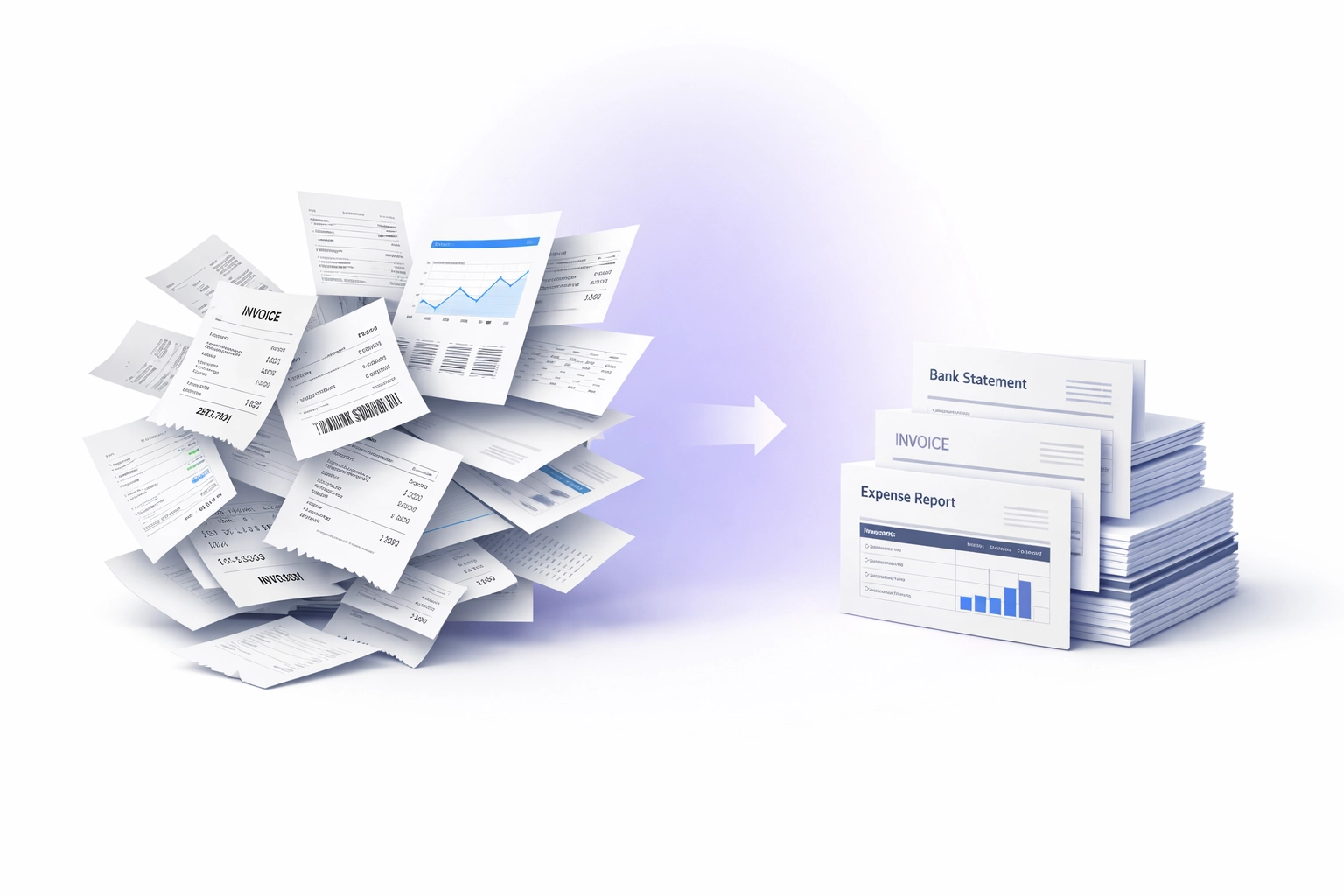
Before and after bookkeeping cleanup showing messy records transformed to organized system

Making the Switch: What to Expect When You Work with Books LA

Transitioning from Botkeeper to Books LA is simpler than you might think. Here's how it typically works:

Week 1: We'll have an intro call to understand your business, review your current bookkeeping setup, and identify any immediate needs (like upcoming tax deadlines or urgent reports).

Week 2-3: We'll help you export your data from Botkeeper, get you set up in your accounting software (if you need to make any changes), and start the cleanup process if needed.

Week 4+: You're up and running with regular, reliable bookkeeping services that actually work for your business: not against it.

Throughout the process, you'll have a dedicated point of contact who's managing everything behind the scenes. No more wondering if your books are being handled correctly.

The Bottom Line

The Botkeeper closure is stressful, no question. But it's also a chance to upgrade to a bookkeeping solution that combines the efficiency of modern technology with the reliability and expertise of real humans who care about your business.

You deserve bookkeeping that doesn't keep you up at night. You deserve a partner who'll be there when you need them: not just when an algorithm decides to route your request to the right department.

If you're looking for dependable, human-led outsourced bookkeeping that won't leave you in the lurch, we'd love to chat. Whether you need emergency cleanup before tax season or you're looking for a long-term bookkeeping partner you can actually trust, we're here to help.

Because at the end of the day, your books are too important to trust to a platform that might not be around tomorrow.

Let's make sure that never happens to you again.

AI for Bookkeeping: 7 Tasks You Can Automate Right Now (2026)

AI for Bookkeeping: 7 Tasks You Can Automate Right Now (2026)

Last updated: February 13, 2026

AI for bookkeeping can now automate 80–90% of routine data entry, reconciliation, and categorization tasks, saving you at least 40% of your time on manual work. This post shows you exactly which seven tasks you should automate right now, plus three you absolutely shouldn’t.

If you’re a small business owner still manually keying in expenses or matching bank transactions line by line, this guide is for you. We’ll cover the specific tasks where AI delivers immediate value, real time-savings you can expect, and where human judgment still matters most.

Why AI for Bookkeeping Makes Sense in 2026

You already know bookkeeping eats hours you don’t have. Matching transactions, chasing down receipts, categorizing expenses, it’s necessary work that doesn’t feel like it moves your business forward.

AI for bookkeeping has matured. It’s not experimental anymore. The tools embedded in QuickBooks Online and Xero now learn from your patterns, catch errors before they compound, and handle repetitive work with accuracy rates above 95%.

At Books LA, we’ve integrated AI-powered workflows into our bookkeeping services for Los Angeles clients across retail, construction, and professional services. The result: faster month-end close, fewer errors, and more time for the strategic finance work that actually grows your business.

Here’s what you can hand off to AI today.

AI bookkeeping automation with laptop displaying receipts, calculator, and bank transactions

7 Bookkeeping Tasks You Can Automate Right Now

1. Bank Reconciliation and Transaction Matching

AI-powered bank feeds now suggest matches between your transactions and existing records automatically. Instead of manually cross-checking every deposit and withdrawal, the system does the heavy lifting.

It detects transaction fees, currency conversion adjustments, and splits. What used to take two hours takes 15 minutes. Some practices report 96% faster reconciliations after adopting AI-driven matching.

2. Invoice Capture and Receipt Processing

Take a photo of a receipt or forward an invoice email. AI reads it, extracts the vendor name, amount, date, and account code, then files it in the right place.

This works with PDFs, phone photos, and email attachments. No manual keying. No lost receipts. AI for bookkeeping handles high-volume expense tracking with near-perfect accuracy, which is critical if you’re in hospitality, e-commerce, or construction.

3. Transaction Categorization

AI learns how you’ve categorized transactions in the past and applies those patterns going forward. Starbucks always goes to Meals & Entertainment. Your landlord always goes to Rent.

Modern systems achieve up to 98% categorization accuracy after a short learning period. Unlike rule-based software, these tools get smarter with each month you use them.

4. Anomaly Detection and Duplicate Prevention

AI scans your transaction history for unusual patterns: duplicate invoices, inconsistent vendor charges, or spending that doesn’t match your normal activity.

Instead of relying on manual review to catch a $5,000 duplicate payment, the system flags it for you. You still make the call, but AI does the detective work. This reduces fraud risk and eliminates costly mistakes before they hit your financials.

Automated data synchronization network for AI-powered bookkeeping systems

5. Financial Reporting and Client-Ready Summaries

AI can turn raw numbers into narrative commentary. It drafts plain-English summaries of monthly performance, highlights key trends, and flags variances worth investigating.

If you work with a bookkeeper or CPA, this means faster turnaround on reports and less back-and-forth. If you’re doing it yourself, it means you actually understand what the numbers mean without decoding accounting jargon.

6. Multi-Account Reconciliation

If you have multiple bank accounts, credit cards, or payment processors (Stripe, PayPal, Square), AI for bookkeeping automatically reconciles them all by matching transactions across systems.

This eliminates the manual cross-referencing that bogs down month-end close. You get a complete, accurate financial picture faster.

7. Routine Data Entry Across Platforms

AI pulls transaction data from banks, credit cards, and payment apps, matches them against deposits, and updates your books automatically.

It syncs data from multiple sources without manual intervention. This is the backbone task that makes everything else possible, and it’s where AI delivers the biggest time savings.

3 Bookkeeping Tasks You Should NOT Automate

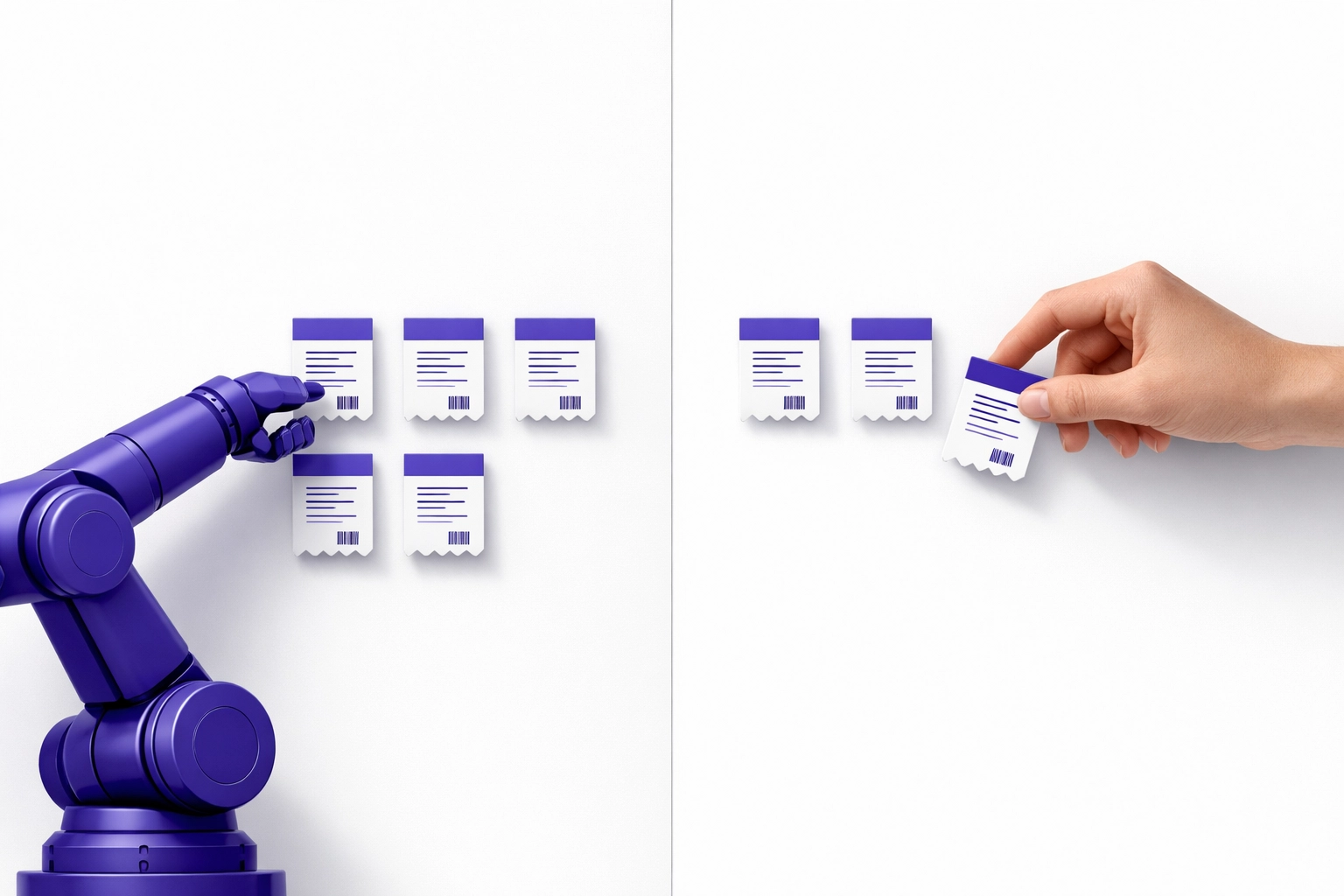
AI is powerful, but it’s not a replacement for judgment. Here’s where you still need a human:

1. Complex account classification decisions. When a transaction could reasonably go to two different categories, AI guesses. A bookkeeper considers context, tax treatment, and your specific business model.

2. Financial strategy and tax planning. AI reports what happened. It doesn’t tell you what to do about it. Strategic decisions, like whether to buy equipment this year or next for tax purposes, require human expertise. We coordinate with your CPA on these calls, because we don’t provide income tax advice.

3. Audit-level review and quality assurance. AI can flag anomalies, but a skilled bookkeeper verifies that your books are audit-ready, logically consistent, and compliant with your industry’s standards. This is especially critical in construction, where job costing and contractor payments have strict documentation requirements.

How Much Time Does AI for Bookkeeping Actually Save?

Real numbers from practices using AI-powered tools:

  • 40% reduction in time spent on routine tasks
  • 50% faster month-end close
  • 96% faster bank reconciliations
  • 56% fewer errors across the board

If you’re spending 10 hours a month on bookkeeping, AI can cut that to 6 hours. If you’re outsourcing, your bookkeeper finishes faster, which often means lower costs or more time spent on advisory work instead of data entry.

At Books LA, we’ve seen clients go from quarterly cleanups (expensive and stressful) to smooth monthly closes with real-time visibility. That shift doesn’t happen without automation doing the repetitive work in the background.

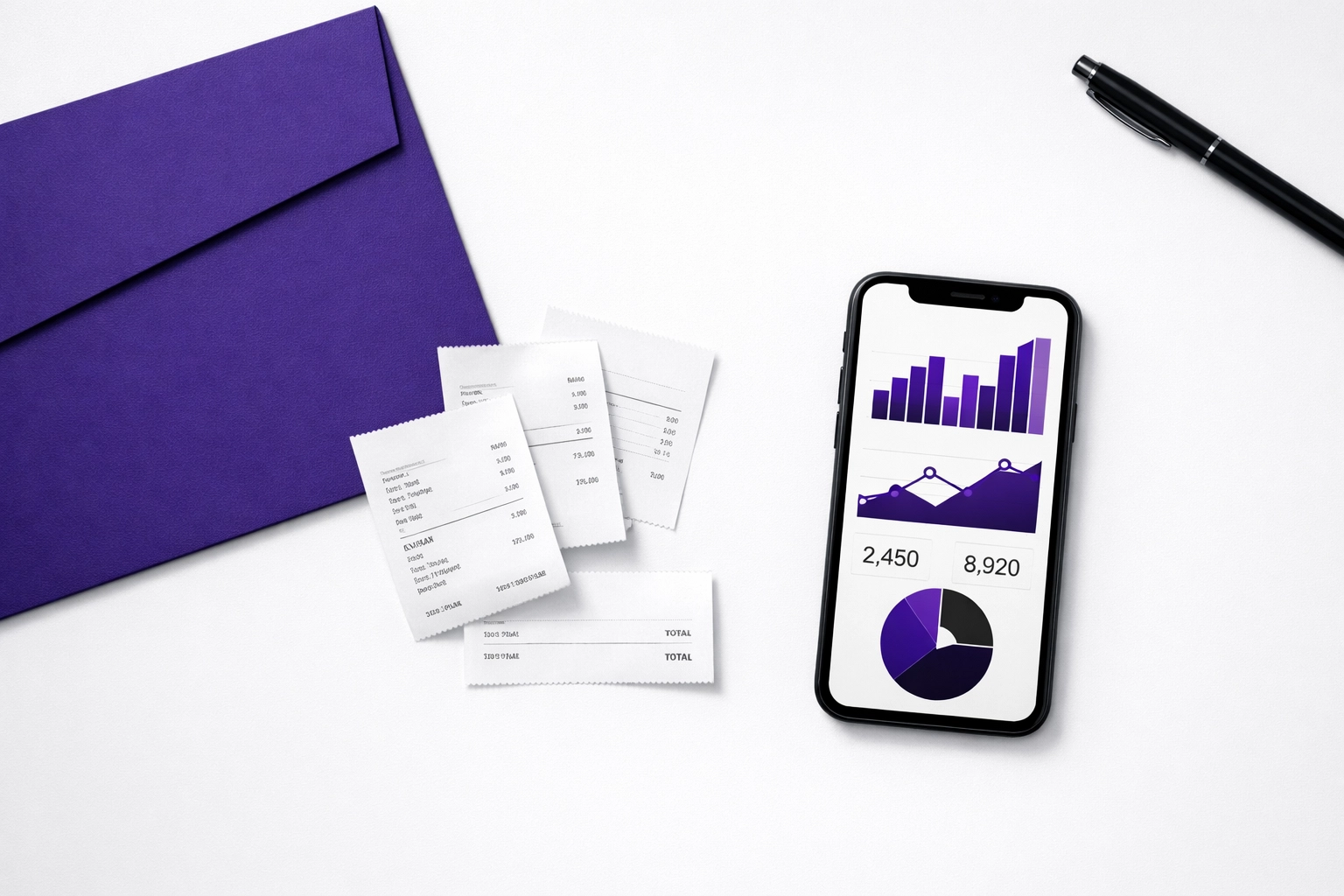
Modern bookkeeping workspace with receipts and digital financial data on smartphone

How Books LA Uses AI in Our Bookkeeping Services

We run QuickBooks Online and Xero for our Los Angeles clients, and both platforms now have AI baked into core workflows. We use AI to:

  • Automate bank feeds and transaction matching
  • Process receipts and invoices from email or mobile uploads
  • Categorize transactions based on your business’s historical patterns
  • Flag unusual activity for review before finalizing reports

But we don’t let AI run unsupervised. Every month, our team reviews AI-generated categorizations, verifies reconciliations, and ensures your financials are accurate and ready for your CPA. If you need to discuss tax strategy or compliance, we coordinate directly with your tax advisor, because we don’t provide income tax advice.

If you’ve been putting off switching to cloud accounting, AI is one more reason to make the move. The tools exist. They work. And they free you up to focus on running your business instead of managing spreadsheets.

What You Should Do This Week

Pick one task from the list above and automate it. Start with bank reconciliation if you’re already on QuickBooks Online or Xero. The setup takes 20 minutes, and you’ll save hours next month.

If your books are behind or you’re not sure where to start, we can help. Reach out to Books LA for a short review of your current setup and a clear plan for what to automate first.


FAQ: AI for Bookkeeping in 2026

Is AI for bookkeeping accurate enough to trust?
Yes, with oversight. Modern AI achieves 95–98% accuracy on transaction categorization and matching. But you still need a human bookkeeper to review edge cases, verify unusual transactions, and ensure your books meet audit standards.

What does it cost to add AI to my bookkeeping?
Most AI features are now built into QuickBooks Online and Xero at no extra cost. If you work with a bookkeeper, AI often reduces the hours they bill, which can lower your monthly cost or shift their time toward more valuable advisory work.

Can AI replace my bookkeeper entirely?
No. AI handles repetitive data entry and pattern recognition. A bookkeeper handles judgment calls, strategic advice, audit prep, and coordination with your CPA. The best results come from combining both.

How long does it take to set up AI automation?
If you’re already on cloud accounting software, most AI features activate automatically. Connecting bank feeds and training the system on your categorization preferences takes 30–60 minutes. After that, it runs in the background.

What if AI categorizes something wrong?
You correct it once, and the system learns. That’s the advantage over rule-based software, AI improves with feedback. A good bookkeeper reviews AI-generated entries monthly to catch and correct errors before they compound.

Does AI work for construction bookkeeping or job costing?
Yes, but with limits. AI can categorize vendor bills and track expenses by job, but complex job costing decisions (like overhead allocation or progress billing) still require human setup and oversight.

Will AI access my bank account or financial data?
AI tools in QuickBooks and Xero access the same read-only bank feeds you’ve already authorized. They don’t have withdrawal permissions. The data stays inside your accounting software, and access is controlled by your login credentials.

What happens if I switch bookkeepers after using AI?
Your AI training and transaction history stay in your QuickBooks or Xero account. A new bookkeeper can pick up where the last one left off without losing the system’s learning. Your data belongs to you, not the bookkeeper.

Construction Bookkeeping 101: Job Costing and WIP Explained Simply (2026)

Construction Bookkeeping 101: Job Costing and WIP Explained Simply (2026)

Last updated: February 11, 2026

Construction bookkeeping requires job costing and WIP (Work in Progress) tracking because you need to know exactly how much each project costs and whether it's making money before the final invoice goes out. Without these two systems in place, you're flying blind on profit margins, compliance documentation, and bonding capacity.

This post is for contractors, builders, and project managers who need to understand the basics of construction bookkeeping without the accounting jargon. You'll learn what job costing actually means, how WIP tracking works, and how to set up your books to handle multiple projects at once.

Why construction bookkeeping is different from regular bookkeeping

Regular small business bookkeeping tracks income and expenses by category. Construction bookkeeping tracks income and expenses by job.

That distinction matters because every construction project has different costs, timelines, payment schedules, and profit margins. You can't just look at your total revenue and total costs for the month. You need to know which projects are profitable and which ones are eating your cash.

Construction blueprints with job costing tools showing project expense tracking

Here's what makes construction bookkeeping unique:

  • Job costing: Every expense gets assigned to a specific project (labor, materials, subcontractors, equipment).
  • WIP tracking: You track revenue and costs on projects that haven't been completed yet so your financial statements reflect reality.
  • Retention tracking: You need to monitor what clients owe you and what you owe subs, including retention holdbacks.
  • Change orders: Scope changes need to be documented and billed separately so profit doesn't get buried.
  • Multi-state sales tax: Materials purchased in different locations create different sales tax obligations.

If you're still using a basic chart of accounts designed for retail or services, your books won't tell you what you need to know.

What our construction bookkeeping services include

Our construction bookkeeping setup is built around job-level tracking in QuickBooks Online or Xero. Here's what we include:

Chart of accounts customized for construction:

  • Labor (direct and indirect)
  • Materials by project
  • Subcontractor costs
  • Equipment rental and maintenance
  • Job-specific overhead (permits, inspections, job site costs)
  • Indirect overhead (office, insurance, admin)

Job costing setup:

  • Create a customer/project for each job
  • Set up class or location tracking if you run multiple crews or divisions
  • Link every transaction to the correct job
  • Track budgeted costs vs. actual costs in real time

WIP reporting:

  • Calculate percentage of completion for each active project
  • Record revenue based on costs incurred to date (percentage-of-completion method)
  • Adjust for over-billed or under-billed amounts
  • Provide monthly WIP schedules for bonding and loan requirements

Retention tracking:

  • Monitor retention receivable (what clients owe you)
  • Monitor retention payable (what you owe subs)
  • Reconcile retention monthly so nothing gets lost

Monthly close specific to construction:

  • Reconcile bank and credit card accounts
  • Review job profitability by project
  • Update WIP schedules
  • Track change orders and extras
  • Prepare reports for your CPA and surety

We're based in Los Angeles and certified in both QuickBooks Online and Xero. We work with general contractors, specialty trades, and project managers who need accurate books for bonding, compliance, and decision-making.

How job costing works in practice

Job costing means every dollar you spend gets tagged with a job number or project name. When you buy materials, pay a sub, or log labor hours, that transaction gets assigned to the project it belongs to.

Here's a simple example:

You're working on three jobs this month: a retail buildout, a tenant improvement, and a small addition. All three projects share the same crew and some of the same materials.

Without job costing, your P&L just shows $45,000 in labor, $30,000 in materials, and $20,000 in subcontractor costs. You made $95,000 in revenue and spent $95,000. Break even. That tells you nothing.

With job costing, you see:

  • Retail buildout: $40,000 revenue, $28,000 costs = $12,000 profit (30% margin)
  • Tenant improvement: $35,000 revenue, $38,000 costs = -$3,000 loss
  • Small addition: $20,000 revenue, $29,000 costs = -$9,000 loss

Now you know the tenant improvement went over budget and the small addition is a problem. You can address it mid-project instead of finding out when it's too late.

To make job costing work, you need to:

  1. Assign every purchase order, invoice, and receipt to a job. This includes materials, labor, equipment rental, and subcontractor invoices.
  2. Track labor by project. Use timesheets or a job tracking app that integrates with your accounting software.
  3. Update job costs weekly. Don't wait until month-end. Construction costs move too fast.
  4. Monitor budgeted vs. actual costs. Set a budget for each job and compare actual costs as they come in.

The goal is real-time visibility into project profitability, not a quarterly surprise.

What WIP tracking actually means

WIP (Work in Progress) is an accounting method that lets you recognize revenue before a project is finished. It matches revenue to the costs you've already incurred so your financial statements reflect the work you've done, not just the invoices you've sent.

Here's why it matters:

Most construction contracts don't pay you in full until the job is complete. But you're spending money on labor, materials, and subs every week. If you only record revenue when you send the final invoice, your P&L will look terrible for months, then suddenly spike when the job closes.

WIP lets you record revenue based on how much of the project is complete. This gives you a more accurate picture of profit and loss, and it's required if you carry bonding or need financial statements for loans.

Three construction projects compared showing job costing and profitability tracking

The most common WIP method is percentage of completion:

  • Calculate what percentage of the project is done (usually based on costs incurred vs. total budgeted costs).
  • Record that percentage of the total contract price as revenue.
  • Compare revenue recognized to costs incurred to see your profit or loss to date.

Simple example:

You have a $100,000 project. Total budgeted cost is $75,000. You've spent $30,000 so far.

  • Percentage complete: $30,000 / $75,000 = 40%
  • Revenue to recognize: $100,000 x 40% = $40,000
  • Profit to date: $40,000 revenue – $30,000 costs = $10,000

If you've only billed $25,000 so far, you're under-billed by $15,000. That shows up as a current asset on your balance sheet. If you've billed $50,000, you're over-billed by $10,000, which shows up as a liability.

Your surety and your bank want to see this breakdown every month. We prepare WIP schedules as part of our monthly close process for construction clients.

How much specialized construction bookkeeping costs

Construction bookkeeping typically runs $800 to $2,500/month depending on:

  • Number of active projects
  • Transaction volume (how many bills, checks, and receipts per month)
  • How clean your records are when we start
  • Whether you need job costing setup from scratch or just ongoing maintenance

Typical pricing breakdown:

  • 1 to 3 active jobs, basic job costing: $800 to $1,200/month
  • 4 to 10 active jobs, WIP tracking included: $1,200 to $1,800/month
  • 10+ active jobs, multi-state sales tax, retention tracking: $1,800 to $2,500/month

If your books are a mess and you need cleanup before we can start monthly service, that's a separate project (usually $1,500 to $5,000 depending on how far back we need to go).

We don't charge by the hour. You get a flat monthly fee that covers reconciliation, job costing, WIP schedules, and coordination with your CPA.

How long the setup process takes

If you're starting from scratch, expect 2 to 4 weeks to get your construction bookkeeping system up and running.

Week 1: Chart of accounts setup, job list import, and historical cleanup (if needed).

Week 2: Job costing workflow training, WIP calculation setup, retention tracking structure.

Week 3: First month-end close with job profitability reports and WIP schedules.

Week 4: Review, adjustments, and handoff to ongoing monthly service.

If your books are already in decent shape and you just need to add job costing, we can usually get it done in 1 to 2 weeks.

The most time-consuming part is usually gathering historical data (old invoices, change orders, retention schedules) and deciding how to structure your jobs in the system.

Why accurate construction bookkeeping is critical for licensing and bonding

Your license and your bond both depend on financial stability. If your books are inaccurate or incomplete, you risk losing both.

Licensing requirements:
Most states require contractors to submit financial statements as part of the license renewal process. If your P&L doesn't reconcile or your balance sheet is missing key accounts (like retention or WIP), your application can get delayed or rejected.

Bonding capacity:
Sureties underwrite bonds based on your working capital, equity, and profitability. They want to see:

  • Clean, accurate financial statements
  • Monthly WIP schedules that prove you're not over-billing or hiding losses
  • Job profitability reports that show you can estimate accurately
  • Retention tracking that proves you're managing cash flow

If your books don't show this level of detail, your bonding capacity will be limited or your rates will be higher.

We've worked with contractors who couldn't get bonded because their bookkeeper was using a cash basis P&L with no job costing. Once we rebuilt their books on an accrual basis with WIP tracking, they qualified for the bond.

Accurate construction bookkeeping isn't optional if you want to grow. It's the foundation of your financial credibility.

Common mistakes we see (and how to avoid them)

Not tracking change orders separately.
Change orders should be billed and tracked as a line item, not buried in the original contract price. If you don't document them, your profit margin looks lower than it actually is.

Waiting until month-end to enter costs.
Construction costs move fast. If you wait 30 days to enter invoices, your job profitability reports are useless for decision-making. Update costs weekly.

Using the wrong WIP method.
Not all projects qualify for percentage-of-completion accounting. Short-term projects (under 90 days) are usually better on completed-contract basis. Ask your CPA which method applies to your situation.

Mixing personal and business expenses.
This is a nightmare for job costing. If you're buying materials on a personal card or paying subs out of pocket, those costs need to get recorded to the right job. Otherwise, your reports are wrong.

Not reconciling retention monthly.
Retention can sit on your books for months. If you don't reconcile it, you'll either over-report profit (if you forgot to record retention payable) or under-report assets (if you forgot to track retention receivable).

We handle all of this as part of our monthly bookkeeping services, but if you're doing it yourself, set up a checklist and follow it every month.

FAQ

What is job costing and why do I need it?
Job costing assigns every cost (labor, materials, subs, equipment) to a specific project so you know which jobs are profitable and which ones are losing money. Without it, you're guessing.

How does WIP tracking work?
WIP (Work in Progress) lets you recognize revenue based on how much of a project is complete, even if you haven't sent the final invoice yet. It matches revenue to costs and gives you accurate profit reports.

How do I handle payroll for subcontractors in my books?
Subcontractors are not payroll. They get paid as vendors and you issue 1099s at year-end. If they're on your payroll, they're employees, not subs. Make sure you're classifying them correctly to avoid payroll tax issues.

What about sales tax on materials?
If you're buying materials in multiple states, you may have sales tax obligations in each location. Some states exempt materials purchased for resale or used in construction. Track where you bought materials and consult your CPA on filing requirements.

What software is best for construction bookkeeping?
QuickBooks Online and Xero both handle job costing and WIP tracking. QBO has better built-in job costing features. Xero requires more customization but works well if you prefer its interface. We're certified in both.

Do I need clean books to get bonded?
Yes. Sureties require accurate financial statements with WIP schedules, retention tracking, and job profitability reports. If your books are incomplete or inaccurate, your bonding capacity will be limited.

Should I hire a CPA or a bookkeeper for construction accounting?
You need both. A bookkeeper handles day-to-day job costing, WIP tracking, and monthly close. A CPA handles income tax planning, tax returns, and audit support. We coordinate with your CPA to make sure your books meet their requirements.

How often should I close the books for construction projects?
Monthly. You need updated WIP schedules, job profitability reports, and retention tracking every month for bonding, decision-making, and compliance. Waiting until quarter-end or year-end is too late.


Disclaimer: We do not provide income tax advice. We work closely with CPAs to ensure your books are tax-ready, and we recommend confirming all tax-related decisions with your CPA.

If you need help setting up construction bookkeeping or getting your job costing and WIP tracking in order, we offer a free 15-minute review to see what your books need. Book a call here.

Struggling With Catch-Up Bookkeeping? 7 Steps to Clean Up Your QuickBooks (2026)

Struggling With Catch-Up Bookkeeping? 7 Steps to Clean Up Your QuickBooks (2026)

Last updated: February 11, 2026

The fastest way to handle catch up bookkeeping is to gather all your records, reconcile your bank accounts, and systematically categorize every transaction from oldest to newest. Most small businesses can clean up 6 to 12 months of backlog in 2 to 4 weeks with the right process.

If you're a small business owner staring at months of uncategorized transactions in QuickBooks, you're not alone. This post walks through the exact 7-step catch up bookkeeping process we use at Books LA to restore accuracy without guessing or cutting corners.

Why Catch Up Bookkeeping Matters Right Now

Your books aren't just for taxes. They affect every financing decision, cash flow forecast, and growth plan you make.

When your bookkeeping is behind, you can't see real profit. You don't know which clients are late paying. You can't prepare accurate tax estimates. And if you're applying for a loan or line of credit, lenders will see the mess.

Catch up bookkeeping fixes that. It restores trust in your numbers and gets you back to making decisions based on real data.

Financial documents and receipts organized from chaotic to neat stacks showing bookkeeping cleanup process

Step 1: Gather Every Financial Record You Have

Start by collecting everything:

  • Bank statements (business checking and savings)
  • Credit card statements
  • PayPal, Stripe, Shopify, or Square reports
  • Receipts (digital or paper)
  • Invoices you sent to customers
  • Bills from vendors
  • Payroll records

Go back to the last month you know was reconciled correctly. If you're not sure, start from the beginning of your last tax year.

The goal here is to have a complete paper trail before you touch QuickBooks.

Step 2: Audit Your Chart of Accounts

Open your Chart of Accounts in QuickBooks. Look for duplicate accounts.

Common duplicates we see:

  • "Office Supplies" and "Supplies – Office"
  • "Meals" and "Meals and Entertainment"
  • Multiple "Miscellaneous" accounts

Merge duplicates into one clean account. This prevents you from splitting similar expenses across different categories, which makes your reports useless.

Also check your equity accounts. Your beginning equity should match your prior year tax return. If it doesn't, flag it now so you can adjust it correctly later.

Step 3: Reconnect Your Bank and Credit Card Feeds

If your bank feeds are disconnected or you've been manually uploading statements, reconnect them now.

Go to Banking in QuickBooks and reconnect each account. This stops duplicate entries and ensures future transactions flow in automatically.

If you use third-party tools like Shopify, PayPal, or Square, reconnect those too. Bad integrations are one of the biggest sources of duplicate transactions during catch up bookkeeping.

Step 4: Reconcile Every Bank and Credit Card Statement

This is the backbone of catch up bookkeeping.

Start with your oldest unreconciled month. In QuickBooks, go to Reconcile and enter the ending balance from your bank statement.

Match every transaction. If something doesn't match, don't force it. Flag it and move on. You'll address discrepancies in Step 5.

Reconcile one month at a time, in order. Don't skip months.

Why this matters: reconciliation proves your books match reality. Without it, your reports are just guesses.

QuickBooks dashboard showing chart of accounts consolidation during bookkeeping cleanup

What Our Bookkeeping Cleanup Includes

When you work with us for catch up bookkeeping, here's what we handle:

  • Full chart of accounts audit and cleanup
  • Bank and credit card reconciliation (all months)
  • Transaction categorization (every uncategorized item)
  • Accounts payable and receivable review
  • Payroll record categorization
  • Sales tax liability tracking
  • 1099 vendor setup and W-9 collection
  • Opening balance corrections
  • Monthly financial reports once cleanup is complete

We're based in Los Angeles and certified in both QuickBooks Online and Xero. We work directly with your CPA to make sure everything aligns before tax filing.

Step 5: Categorize All Transactions

Now go through your uncategorized transactions.

In QuickBooks, open your Banking page. You'll see a list of transactions waiting for review.

For each one, assign the correct category:

  • Office supplies
  • Meals (keep under business meal rules)
  • Contractor payments (flag for 1099 tracking)
  • Loan payments (split between principal and interest)
  • Owner draws (never categorize these as expenses)

If you're unsure about a category, mark it and ask your CPA. Don't guess. Miscategorized expenses create problems during audits.

Step 6: Review Outstanding Invoices and Bills

Open your Accounts Receivable report. These are unpaid customer invoices.

Contact customers with invoices over 60 days old. Close out any invoices that were paid outside QuickBooks (like via Venmo or cash).

Next, open your Accounts Payable report. These are unpaid vendor bills.

Pay what's due. Write off anything that's no longer valid. This step clears out old clutter and gives you an accurate cash position.

Step 7: Address Payroll and 1099 Compliance

Pull your payroll records and make sure every payroll run is recorded in QuickBooks.

If you paid contractors over $600 in the year, confirm they have a completed W-9 on file. Mark them as 1099 vendors in QuickBooks so they're tracked correctly.

This step is critical if you're approaching tax season. Your CPA can't file without clean payroll and contractor records.

Important: If you need to fix transactions from a tax year you've already filed, use a Retained Earnings adjustment instead of editing old transactions. Changing historical data after filing creates discrepancies that show up during audits.

Calendar with checkmarks showing monthly bank reconciliation process for catch up bookkeeping

How Much Catch Up Bookkeeping Costs

Cost depends on three factors:

  1. Transaction volume: How many months are behind and how many transactions per month.
  2. Complexity: Multiple bank accounts, inventory, payroll, or sales tax add time.
  3. Data quality: Missing receipts, disconnected feeds, and duplicate entries increase the scope.

Most small businesses pay between $1,500 and $5,000 for 6 to 12 months of bookkeeping cleanup. Construction and e-commerce businesses with high transaction volume are typically on the higher end.

We give fixed-price quotes after reviewing your current books. No surprises.

How Long the Cleanup Process Takes

Timeline depends on how far behind you are and how responsive you are with documents.

Here's what's typical:

  • 1 to 3 months behind: 1 to 2 weeks
  • 6 months behind: 2 to 3 weeks
  • 12+ months behind: 4 to 6 weeks

The bottleneck is usually gathering records. If you send everything upfront, we move faster.

Why Your CPA Needs Catch Up Bookkeeping Done Before Tax Season

Your CPA can't prepare an accurate tax return from messy books.

They need:

  • Reconciled bank statements
  • Categorized transactions
  • Clean profit and loss reports
  • Accurate balance sheet
  • Payroll and 1099 records

If your books aren't ready, your CPA has to guess or spend billable hours cleaning up your data. That raises your tax prep bill and increases your risk of errors.

Catch up bookkeeping protects both your tax filing and your CPA relationship.

Need Help With Catch Up Bookkeeping?

If you're looking at months of backlog and don't have time to fix it yourself, we can handle the full cleanup. We'll reconcile your accounts, categorize transactions, and get your books audit-ready in 2 to 4 weeks.

Based in LA. Certified in QuickBooks Online and Xero. We work directly with your CPA to make sure everything is ready before filing.

Book a short call or request a catch up bookkeeping quote. We'll review your current state and give you a fixed price.

Frequently Asked Questions

How long does catch up bookkeeping take if I'm 12 months behind?

Most businesses need 4 to 6 weeks for a full year of cleanup. The timeline depends on transaction volume, missing records, and how quickly you can provide bank statements and receipts.

What factors affect the cost of bookkeeping cleanup?

Three main factors: transaction volume (how many months and how many transactions per month), complexity (multiple accounts, inventory, payroll, or sales tax), and data quality (missing receipts, disconnected feeds, duplicate entries).

What if I don't have old bank statements?

You can request past statements from your bank. Most banks provide up to 7 years of statements online or by request. If statements are unavailable, we work with what you have and document the gaps.

Can you fix payroll tax errors during catch up bookkeeping?

We can reconcile payroll records and flag discrepancies, but we don't file payroll tax amendments. If we find errors, we coordinate with your CPA or payroll provider to correct them before the next filing.

What happens if I have sales tax nexus in multiple states?

We track sales tax liability by state and reconcile what you collected versus what you owe. We don't file sales tax returns, but we give you accurate liability reports so you or your sales tax preparer can file correctly.

Do I need to use QuickBooks Online, or can you work in Xero?

We're certified in both QuickBooks Online and Xero. If you're already using one, we'll work in your system. If you're starting fresh, we'll recommend the best fit based on your business type.

How do you coordinate with my CPA during cleanup?

We send your CPA a full set of reconciled financials once cleanup is complete. If they have specific reporting needs or adjustments, we make those changes before you file. We don't provide income tax advice, but we make sure the books support your tax filing.

Should I do catch up bookkeeping myself or hire a pro?

If you're 1 to 2 months behind and have time, you can DIY using the steps in this post. If you're 6+ months behind, have payroll or inventory, or need clean books for a loan or tax filing, hiring a pro saves time and reduces errors.


Disclaimer: Books LA provides bookkeeping and financial record services. We do not provide income tax advice. For income tax questions, consult your CPA or tax advisor. We coordinate closely with CPAs to ensure your books are ready for accurate tax filing.

How to Use AI for Bookkeeping Without Losing Control (2026)

How to Use AI for Bookkeeping Without Losing Control (2026)

Last updated: February 11, 2026

AI for bookkeeping works best when you pair automation with human oversight, giving you speed without sacrificing accuracy or control. This guide is for small business owners who want to use AI tools without handing over full control of their financial data.

You'll learn how to pick the right AI tools, what to automate, what to review yourself, and how professional bookkeeping services fit into the picture.

Why AI for Bookkeeping Feels Risky (And How to Fix That)

You've probably heard the pitch: let AI handle your books while you focus on running your business.

It sounds great until you think about what could go wrong. Miscategorized expenses. Missing transactions. Tax compliance issues. Loss of visibility into your own numbers.

Here's the reality: AI for bookkeeping isn't risky when you build in the right checks. The key is choosing tools that combine automation with transparency, and knowing which tasks to automate versus which ones need a second set of eyes.

What AI Can (and Can't) Do for Your Books

AI tools are great at repetitive, pattern-based tasks. They can:

  • Categorize transactions based on past behavior
  • Match bank feeds to invoices and bills
  • Flag duplicate entries or unusual amounts
  • Auto-reconcile accounts with high accuracy
  • Generate financial reports in seconds

What AI can't do well (yet):

  • Handle unique or complex transactions without guidance
  • Understand your business context or strategic goals
  • Catch errors it wasn't trained to recognize
  • Make judgment calls on gray-area categorization
  • Replace the need for compliance oversight

The sweet spot is using AI to handle the volume while you (or your bookkeeper) handle the nuance.

AI bookkeeping automation working alongside human oversight to review financial transactions

How to Use AI for Bookkeeping Without Losing Control

Here's the practical approach we use with clients at Books LA, a Los Angeles-based bookkeeping firm certified in QuickBooks Online and Xero.

1. Start with platforms that include human review

Don't rely on fully autonomous AI. Choose tools that combine automation with professional oversight. Platforms like DualEntry, Zeni, or even QuickBooks Online with a skilled bookkeeper behind it give you speed plus accountability.

2. Set up approval workflows for large or unusual transactions

Configure your system to flag transactions over a certain dollar amount or ones that don't match historical patterns. This keeps you in the loop on anything significant.

3. Review categorization rules monthly

AI learns from your past behavior, but your business changes. Review auto-categorization rules once a month to make sure the system is still making the right calls.

4. Keep detailed audit trails

Make sure your AI tool logs every automated decision. You should be able to see why a transaction was categorized a certain way and change it if needed.

5. Use real-time alerts and dashboards

Set up notifications for anomalies: duplicate payments, missing deposits, unusual vendor charges. This gives you control without requiring constant manual review.

6. Work with a bookkeeper who understands AI tools

A good bookkeeper knows how to configure AI, when to override it, and how to verify its work. This is where small business bookkeeping services add the most value.

What Our Bookkeeping Services Include

At Books LA, we combine AI efficiency with hands-on review. Here's what that looks like:

  • Initial setup of AI categorization rules tailored to your business
  • Monthly reconciliation with human verification of automated entries
  • Review and correction of flagged or unusual transactions
  • Ongoing adjustments to AI rules as your business evolves
  • Financial reporting with context and analysis (not just auto-generated reports)
  • Coordination with your CPA for tax planning and compliance

We use QuickBooks Online and Xero, both of which have strong AI features. But we never let the software run unsupervised.

Professional bookkeeping services workflow showing review and verification process

How Much Professional Bookkeeping Services Cost

Pricing depends on transaction volume, complexity, and how much cleanup is needed upfront.

Monthly bookkeeping with AI tools:

  • $300–$600/month for businesses with under 100 transactions
  • $600–$1,200/month for 100–300 transactions
  • $1,200+ for higher volume or multiple entities

One-time cleanup (if your books are behind):

  • $500–$2,000 depending on how many months need to be caught up

AI reduces the time required for routine tasks, which can lower your monthly cost compared to fully manual bookkeeping. But you're still paying for the expertise to set it up right and catch what the software misses.

If you want a specific quote, we can give you one after a quick review of your current setup. Reach out here.

How Long the Setup Process Takes

Getting AI for bookkeeping running smoothly takes about 2 to 4 weeks, depending on your starting point.

Week 1: Discovery and data access
We connect to your bank accounts, credit cards, and existing accounting software. We review the last 3 to 6 months of activity to understand your transaction patterns.

Week 2: Rule configuration
We set up categorization rules, approval workflows, and alerts. This is where most of the customization happens.

Week 3: Trial period and adjustments
We run the system for a few weeks while reviewing every automated entry. We adjust rules as needed.

Week 4: Handoff and ongoing monitoring
Once everything is running clean, we move into standard monthly review mode. You get dashboards, reports, and alerts without the daily manual work.

How AI for Bookkeeping Improves Your Data Quality

Good data quality means your financial reports are accurate, your tax filings are correct, and you can make decisions based on real numbers.

AI helps with data quality in these ways:

Consistency: AI applies the same rules to every transaction. No more guessing whether something should be categorized as "office supplies" or "software."

Speed: Faster processing means your books are up to date more often, which helps you spot issues sooner.

Error detection: AI can flag duplicates, missing entries, or out-of-pattern charges that a human might miss in a large batch.

Audit trails: Every automated decision is logged, so you can trace back how any number was calculated.

But here's the catch: AI is only as good as the rules you give it. If your chart of accounts is a mess or your initial setup was rushed, the AI will make consistent mistakes. That's why setup matters.

Layered financial data showing improved accuracy with AI bookkeeping systems

What to Look for in AI Bookkeeping Tools

If you're evaluating AI tools yourself, here's what to prioritize:

Integration with your current software: The tool should connect directly to QuickBooks Online, Xero, or whatever system you already use. Avoid platforms that require you to switch.

Transparency: You should be able to see why the AI made each decision. Black-box automation is a red flag.

Human support: Look for platforms that include access to real bookkeepers or CPAs, not just chatbots.

Customization: One-size-fits-all categorization rules don't work. You need a system that adapts to your business.

Security: Make sure the platform is SOC 2 compliant and uses bank-level encryption. Your financial data is sensitive.

The Role of Your CPA in an AI-Driven Workflow

We don't provide income tax advice. That's your CPA's job.

But here's how we work with CPAs when AI is in the mix:

  • We keep your books clean and audit-ready so your CPA has accurate data at year-end.
  • We coordinate on sales tax filings, payroll tax deposits, and business license renewals.
  • We flag transactions that might have tax implications (large asset purchases, 1099 contractor payments, etc.).
  • We provide reports in the format your CPA needs for tax prep.

AI speeds up the data entry and reconciliation side. Your CPA still handles tax strategy, deductions, and compliance. We make sure the handoff between those two functions is smooth.


Want help setting this up? We can review your current bookkeeping setup, recommend the right AI tools, and handle the ongoing oversight. Book a short call here.


Frequently Asked Questions

Is AI for bookkeeping accurate enough for tax filing?

Yes, but only if it's set up correctly and reviewed by a human. AI handles routine categorization well, but your books still need professional oversight before tax season. We recommend a monthly review process to catch errors early.

How secure is my financial data with AI bookkeeping tools?

Reputable platforms use bank-level encryption and are SOC 2 compliant. Always check the security credentials before connecting your accounts. Avoid tools that don't clearly state their security practices.

How much does AI-powered bookkeeping cost compared to traditional services?

AI reduces the time required for manual data entry, which can lower costs by 20 to 40 percent. But you're still paying for setup, oversight, and professional review. Expect $300 to $1,200/month depending on transaction volume.

Do I still need a human bookkeeper if I use AI tools?

Yes. AI handles repetitive tasks, but you need a bookkeeper to configure the system, review exceptions, and provide context. Think of AI as a tool your bookkeeper uses to work faster, not a replacement.

Can AI handle payroll tax and sales tax filings?

AI can track payroll and sales tax transactions, but filings still require human oversight. Most platforms will prepare the data, but a bookkeeper or CPA should verify it before submission. We handle coordination with your payroll provider and tax agencies.

What happens if the AI miscategorizes a transaction?

You or your bookkeeper can correct it manually. Good platforms log these corrections and adjust future categorization rules based on your feedback. This is why monthly review is important.

Which accounting software works best with AI tools?

QuickBooks Online and Xero both have strong AI features and integrate well with third-party tools. We're certified in both and can recommend the best fit based on your business size and industry.

How do you coordinate with my CPA when using AI bookkeeping?

We provide clean, organized books and reports in the format your CPA needs. We flag transactions that may have tax implications and handle sales tax, payroll tax, and business license tracking. Your CPA focuses on income tax strategy and filings. We work with CPAs regularly and can coordinate directly if needed.