
Last updated: February 13, 2026
Yes, you can complete a bookkeeping cleanup in 30 days, even if your books are months (or years) behind. Most small businesses catch up within 2 to 4 weeks with focused effort and proper planning. This guide walks you through the exact steps, what it costs, and how to prevent future backlogs.
This is for business owners who know their books are messy, tax season is approaching, or you need clean financials for a loan or investor meeting.
What a Bookkeeping Cleanup Actually Includes
A bookkeeping cleanup is the process of correcting and organizing your financial records to reflect what actually happened in your business.
Here's what gets fixed:
- Bank reconciliations for all accounts (checking, savings, credit cards, loans)
- Transaction categorization so expenses and income land in the correct accounts
- Duplicate removal and data entry error corrections
- Accounts payable and receivable review to catch unpaid bills and outstanding invoices
- Vendor and customer record cleanup to remove duplicates and update outdated information
- Financial report generation including profit and loss statements, balance sheets, and cash flow reports
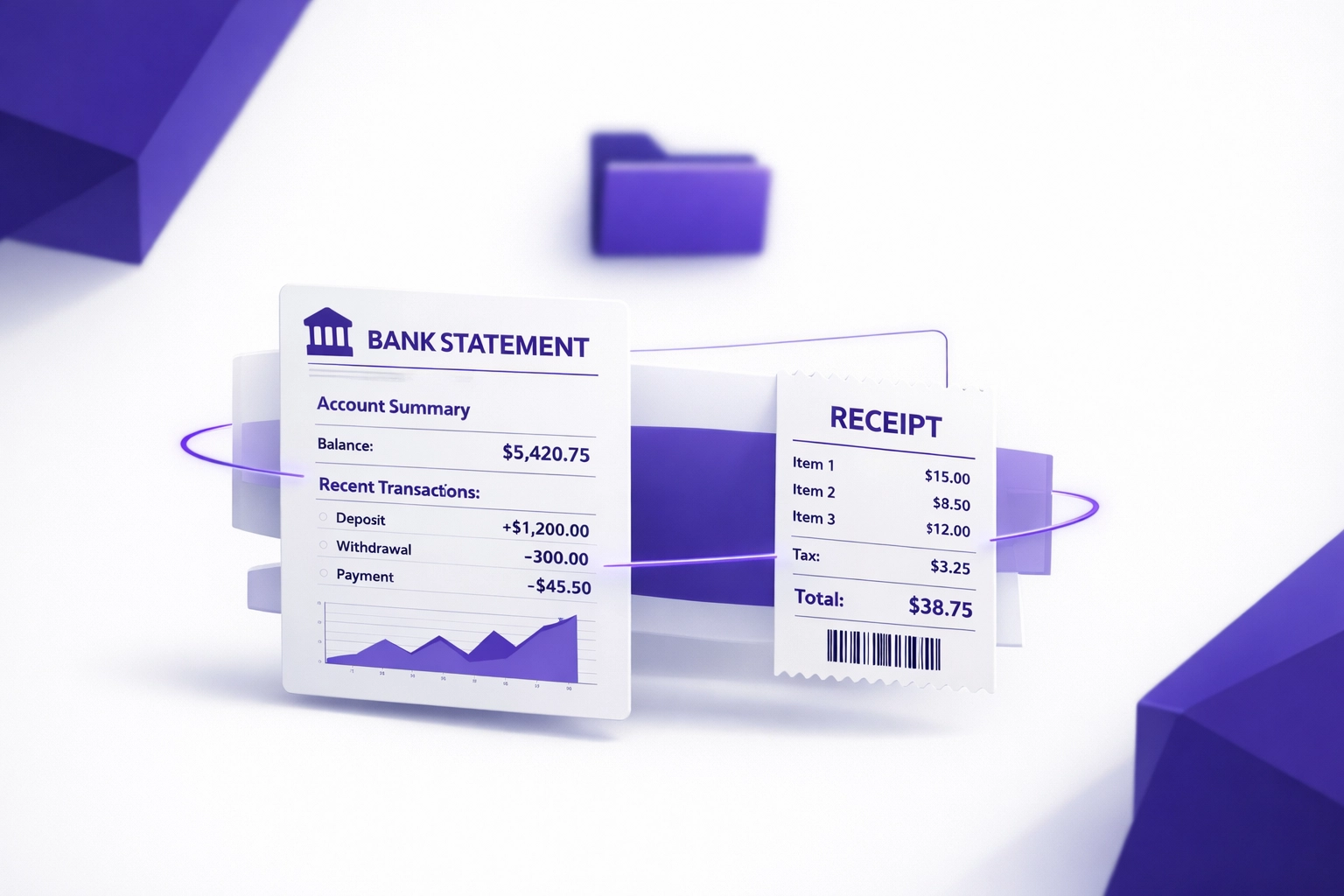
The goal is simple: make your books match reality so you can make informed decisions and stay compliant.
How Long Bookkeeping Cleanup Actually Takes
Timeline depends on how far behind you are and how organized your records are before you start.
Few months behind: 3 to 7 days
Six months to one year behind: 1 to 2 weeks
Multiple years of messy records: 3 to 4 weeks
The biggest time saver? Pre-organization. Before your cleanup starts, gather all bank statements, credit card statements, receipts, invoices, loan documents, and transaction records from payment processors like PayPal, Stripe, and Square.
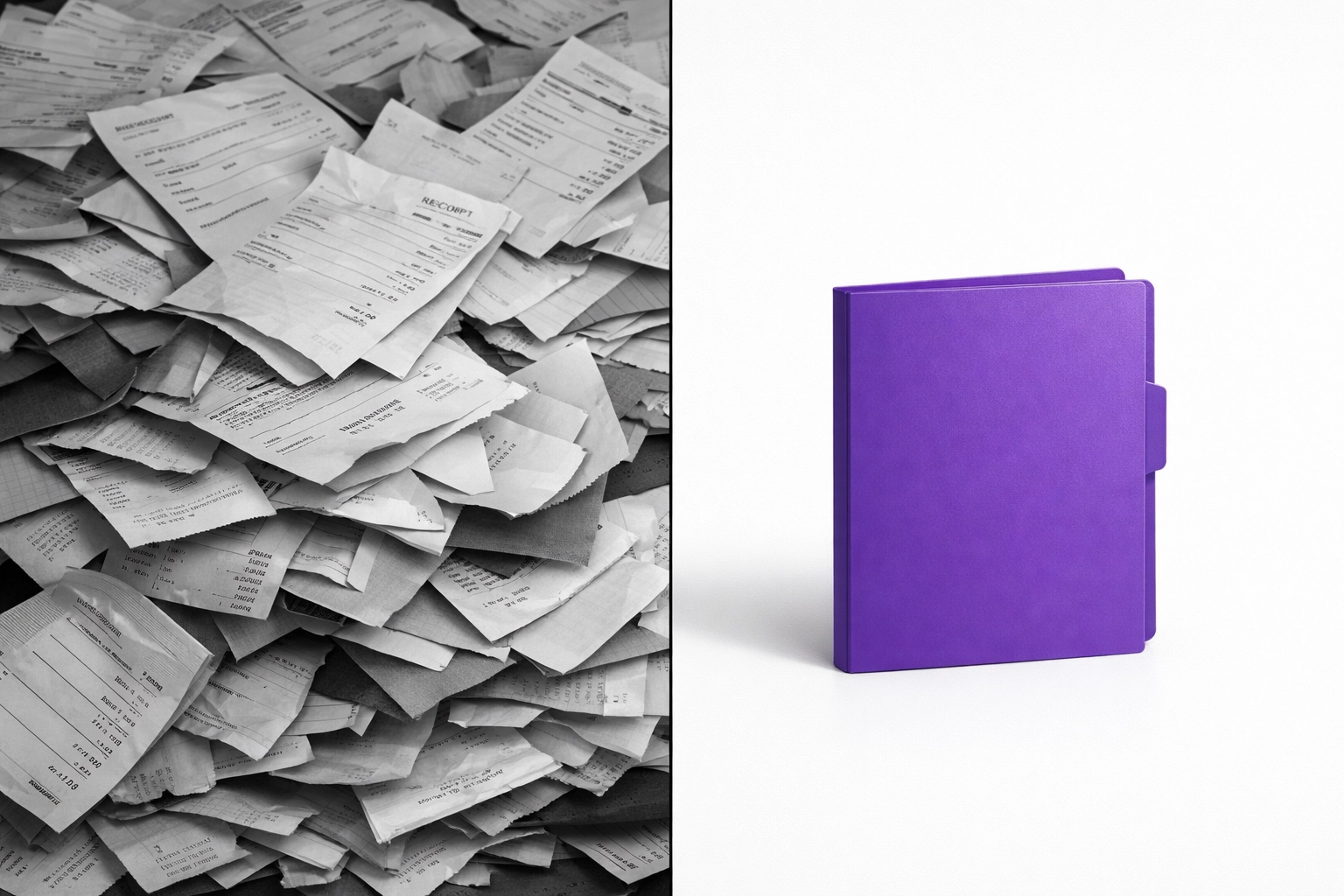
If you hand over a shoebox of random receipts, cleanup takes longer. If you hand over organized files sorted by month, you'll finish faster.
The 7-Step Bookkeeping Cleanup Process
Here's the exact workflow we use for our bookkeeping services in Los Angeles:
Step 1: Gather all financial documents
Collect bank statements, credit card statements, receipts, invoices, 1099 forms, payroll records, and loan documents. Download transaction exports from all payment processors.
Step 2: Reconcile bank and credit card accounts
Compare every transaction in your accounting software to your bank statements. Mark each transaction as cleared when it matches. Fix discrepancies immediately.
Step 3: Fix data entry errors
Remove duplicate transactions, correct wrong amounts, and move transactions that landed in the wrong accounts. Compare entries to source documents like invoices and receipts.
Step 4: Categorize transactions properly
Assign every transaction to the correct expense or income category. This is critical for tax deductions and financial reporting accuracy.
Step 5: Review accounts payable and receivable
Check for unpaid vendor bills that should be recorded. Verify outstanding customer invoices and follow up on overdue payments.
Step 6: Clean up vendor and customer records
Update vendor names, addresses, and tax IDs. Combine duplicate accounts. Ensure W-9 forms are on file for all contractors.
Step 7: Generate updated financial reports
Run profit and loss statements, balance sheets, and cash flow reports. Review them for accuracy and outliers.
What Bookkeeping Cleanup Costs
Professional bookkeeping cleanup typically costs $300 to $800 per month depending on transaction volume, how far behind you are, and software complexity.
Pricing factors:
- Number of months or years to catch up
- Transaction volume (more transactions = more time)
- Software platform (QuickBooks Online, Xero, etc.)
- Industry complexity (construction job costing takes longer than basic retail)
Many bookkeepers charge hourly ($50 to $150 per hour) or offer flat-rate packages for specific timeframes (example: $600 for six months of cleanup).
DIY cleanup is free but takes significantly longer if you're not familiar with accounting software or reconciliation processes.
DIY vs. Hiring a Professional for Bookkeeping Cleanup
Go DIY if:
- You're comfortable with QuickBooks or Xero
- You have dedicated time for detailed transaction review
- Your records are only a few months behind
- You don't need GAAP compliance for loans or investors
Hire a professional if:
- You need to meet IRS compliance requirements quickly
- You're preparing for tax filing, loan applications, or funding rounds
- Your books are years behind
- You want to ensure proper categorization for maximum tax deductions
- You need help setting up systems to prevent future messes
Professionals spot issues you might miss, like miscategorized loan payments, personal expenses mixed with business transactions, or missing 1099 contractor payments. Within a 30-day bookkeeping cleanup window, the investment often pays for itself in time saved and stress avoided.
Common Bookkeeping Cleanup Mistakes (and How to Avoid Them)
Mixing personal and business expenses
Use separate bank accounts and credit cards for business. If you already mixed them, create a "Owner's Draw" or "Owner's Investment" account to track personal transactions separately.
Ignoring bank reconciliation
Reconciliation is not optional. It's how you catch bank errors, fraud, duplicate entries, and missing transactions. Reconcile monthly at minimum.
Wrong expense categories
"Miscellaneous" should never be your biggest expense category. Proper categorization affects tax deductions and financial analysis. When in doubt, ask your CPA.
Not tracking accounts receivable
If you don't record unpaid customer invoices, your profit and loss statement shows revenue you haven't actually collected. This distorts cash flow planning.
Deleting transactions instead of voiding them
Never delete. Always void or create correcting entries. This maintains an audit trail.
Preventing Future Bookkeeping Messes
Once your bookkeeping cleanup is complete, set up monthly maintenance to stay current:
Weekly tasks:
- Download and review bank transactions
- Attach digital receipts to transactions in your accounting software
- Send customer invoices promptly
Monthly tasks:
- Reconcile all bank and credit card accounts
- Review profit and loss statement for unusual entries
- Follow up on overdue customer invoices
- Pay vendor bills on time
Quarterly tasks:
- Review balance sheet for accuracy
- Check accounts receivable aging report
- Verify payroll tax deposits and filings
- Meet with your CPA to review financials
Use automation wherever possible. Cloud accounting systems like QuickBooks Online and Xero offer bank feeds, recurring invoices, and automated payment reminders that reduce manual entry and prevent data backlogs.
What You Need Before Starting a Bookkeeping Cleanup
Before you start (or before you hand off to a bookkeeper), gather:
- Bank statements for all accounts (checking, savings, credit cards)
- Loan documents and payment schedules
- Receipts (digital or physical)
- Invoices sent to customers
- Bills received from vendors
- Payroll records and tax filings
- Prior year tax returns
- Transaction exports from PayPal, Stripe, Square, Venmo, or other payment processors
- Any previously prepared financial statements
The more organized these materials are before you begin, the faster your cleanup goes.

Important disclaimer: We do not provide income tax advice. We work with CPAs for all income tax matters. Always confirm tax treatment of transactions with your CPA. Our focus is accurate bookkeeping and financial record maintenance.
Ready to Get Your Books Back on Track?
If your books are behind and you need them cleaned up fast, we can help. Our bookkeeping services in Los Angeles include full cleanup, monthly maintenance, and setup systems to keep you current year-round.
Book a short call to discuss your specific situation. We'll walk through what's needed, give you a timeline, and provide transparent pricing. No pressure, just clear next steps.
Frequently Asked Questions About Bookkeeping Cleanup
How far back can I go with a bookkeeping cleanup?
There's no limit. We've cleaned up records going back five years or more. The further back you go, the longer it takes and the more source documents you'll need to track down. Most businesses focus on the current tax year and prior year first.
Can I do a bookkeeping cleanup myself?
Yes, if you're comfortable with accounting software and have time for detailed transaction review. Expect to spend 10 to 40 hours depending on how far behind you are. Most business owners find it faster and less stressful to hire a professional.
What happens if I'm missing receipts or bank statements?
You can request historical statements from your bank (usually up to seven years). For missing receipts, document the expense with whatever records you have (credit card statements, vendor invoices, email confirmations). Your CPA can advise on documentation requirements for tax deductions.
Will bookkeeping cleanup fix my tax problems?
Cleanup provides accurate financial records your CPA needs to prepare correct tax returns. It doesn't provide tax advice or represent you to the IRS. If you have tax issues, work with a CPA or tax attorney. We coordinate with your CPA to ensure your books support proper tax filing.
How much does bookkeeping cleanup cost for a year of messy books?
Expect $800 to $2,000 for one year of cleanup depending on transaction volume and complexity. Construction businesses with job costing take longer than service businesses with simple income and expenses. Get quotes from 2 to 3 bookkeepers to compare.
Do I need bookkeeping cleanup if I use QuickBooks or Xero?
Software doesn't guarantee accuracy. If you've been entering transactions incorrectly, haven't reconciled accounts, or mixed personal and business expenses, you still need cleanup regardless of what software you use. The software is only as good as the data you put in.
What's the difference between bookkeeping cleanup and a monthly bookkeeping service?
Cleanup is a one-time project to catch up past months or years. Monthly service is ongoing maintenance to keep your books current. Most businesses do cleanup first, then transition to monthly service to stay on track.
Can bookkeeping cleanup help me get a business loan?
Yes. Lenders require accurate, up-to-date financial statements. A bookkeeping cleanup ensures your profit and loss statement, balance sheet, and cash flow reports reflect your actual financial position. Clean books increase your chances of loan approval.
