
A bookkeeper records, categorizes, and reconciles a business's financial transactions, managing essential workflows like accounts payable and receivable. This role ensures accurate financial records, supports cash flow decisions, and prepares critical financial statements such as the Profit and Loss (P&L) Statement and Balance Sheet. Modern bookkeeping, often utilizing tools like QuickBooks Online and Xero, provides a clear, accurate trail of every financial event. A bookkeeper helps businesses stay organized and ready for their CPA, but does not replace a CPA for income tax advice.
Last updated: May 1, 2026
A bookkeeper records, categorizes, and reconciles your business transactions, manages core workflows like bills and invoices, and produces accurate financial reports you can actually use. This post is for small business owners and freelancers, and it covers what a bookkeeper does, what they do not do, and when it makes sense to hire one.
What are the key takeaways about a bookkeeper's role?
- The key takeaways about a bookkeeper's role are that they keep your financial records accurate and current, manage core tasks like transaction categorization and reconciliations, and help you stay organized for your CPA without replacing their tax advice. Good bookkeeping supports crucial business decisions and ensures year-end readiness, making it essential to seek help if your reports are unreliable.
Many business owners start by doing their own books, but as the business grows, the complexity of tracking every transaction becomes a secondary job. Understanding the core responsibilities of a professional bookkeeper helps you identify when you need to hand off the reins to ensure your financial records are "tax-ready" and reliable for decision-making.
The Core Responsibilities of a Modern Bookkeeper
While the image of a bookkeeper used to involve green eye-shades and physical ledgers, modern bookkeeping is largely digital, utilizing tools like QuickBooks Online and Xero. The primary goal remains the same: creating a clear, accurate trail of every financial event in your business.
1. Accounts Payable (AP): Managing Your Bills
Accounts Payable is essentially what you owe to others. A bookkeeper ensures that your vendors are paid on time and that you have a clear picture of your upcoming obligations. This includes:
- Entering bills as they arrive to track future cash outflows.
- Verifying that charges match the services or products received.
- Scheduling payments so you avoid late fees while maintaining healthy cash flow.
2. Accounts Receivable (AR): Tracking Your Income
Accounts Receivable is the money owed to your business by customers. If you do not stay on top of AR, your cash flow will suffer even if your sales are high. A bookkeeper’s role in AR includes:
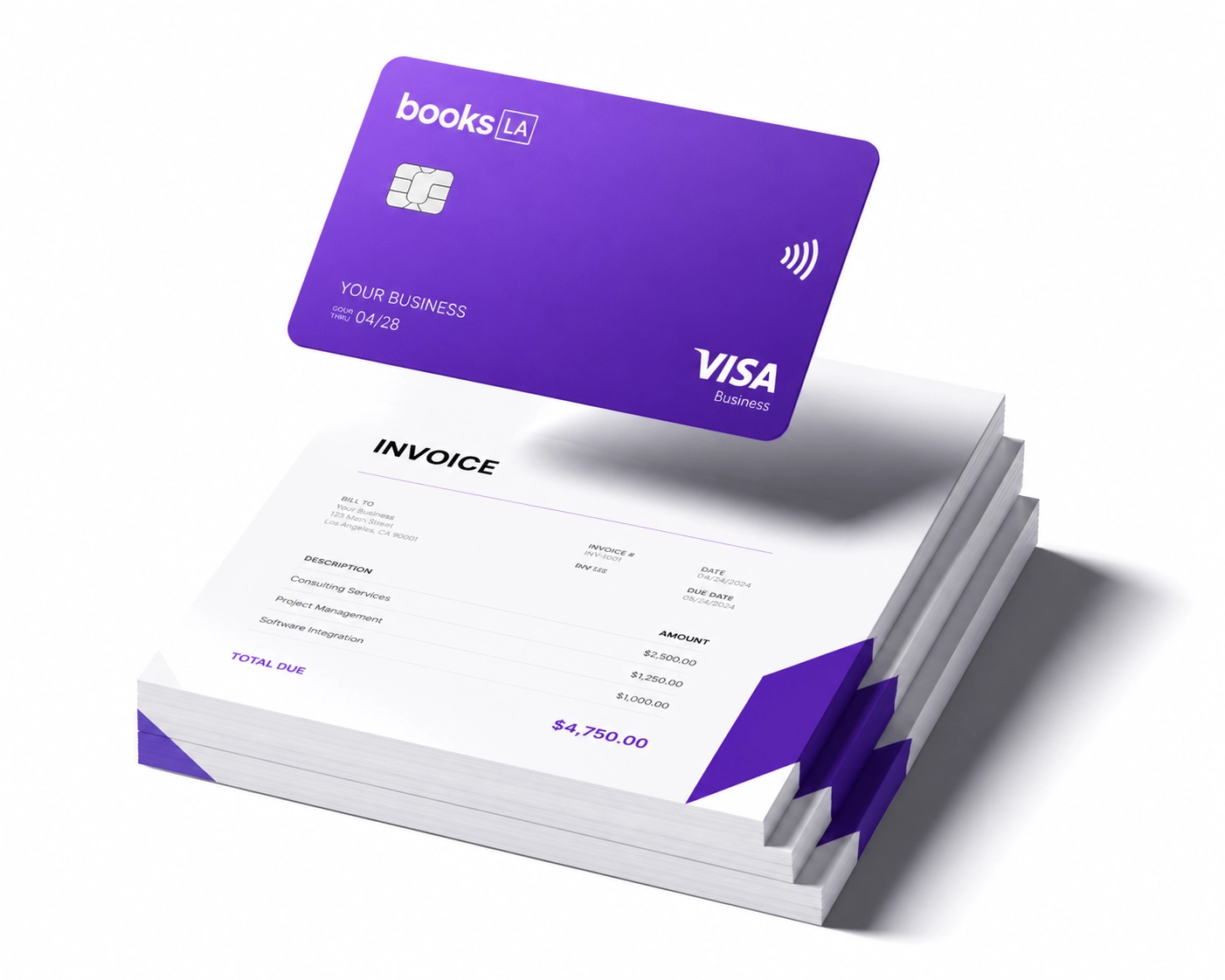
- Generating and sending professional invoices to your clients.
- Monitoring which invoices are past due.
- Recording payments as they come in to ensure your "Total Income" reflects reality.
3. Bank and Credit Card Reconciliations
Reconciliation is the process of matching the transactions in your accounting software to the transactions on your bank statement. This is arguably the most important task a bookkeeper performs.
- It ensures that no transactions are missing.
- It catches duplicate entries.
- It identifies fraudulent charges or bank errors early.
- It verifies that the "Cash" balance on your reports is the actual amount of money you have in the bank.
4. Financial Statement Preparation
At the end of every month, a bookkeeper produces reports that tell the story of your business. These are not just for the IRS; they are for you.
- Profit and Loss (P&L) Statement: Shows your revenue minus your expenses over a specific period.
- Balance Sheet: Provides a snapshot of what you own (assets) and what you owe (liabilities) at a specific point in time.
- Statement of Cash Flows: Tracks the actual movement of cash in and out of the business.
You can learn more about how these reports guide your growth on our services page.
The Crucial Distinction: Bookkeeper vs. CPA
One of the most common misconceptions is that a bookkeeper and a Certified Public Accountant (CPA) do the same thing. In reality, they are two halves of the same coin.
The Bookkeeper handles the "now." They are the daily or monthly ground troops who organize the data, pay the bills, and ensure the records are clean. Think of them as the person who builds the foundation and the walls of a house.
The CPA handles the "after" and the "big picture." They use the data the bookkeeper has organized to file income tax returns and provide high-level tax strategy. If the bookkeeper's work is messy, the CPA will spend their expensive hourly rate cleaning it up before they can even start the tax return.
Disclaimer: At Books LA, we do not provide income tax advice or file income tax returns. We work alongside your CPA to ensure they have a clean, accurate "book" of data to work from. We always recommend confirming tax-specific strategies with your licensed tax professional.
Payroll Support and Compliance
While many businesses use automated payroll providers, a bookkeeper often acts as the bridge between the payroll software and the general ledger. They ensure that:
- Gross wages, taxes, and benefits are categorized correctly.
- Payroll liabilities are tracked so you know what is owed to the government.
- Employee information is kept up to date within the accounting ecosystem.
Beyond payroll, bookkeepers often assist with "bookkeeping-adjacent" compliance, such as filing sales tax returns or renewing local business licenses. These tasks are time-sensitive and carry heavy penalties if missed, making professional oversight a significant relief for business owners.

A Practical Example: The Real Cost of Missing Data
Imagine a small consulting firm that manages its own books. At the end of the year, they send their QuickBooks file to their CPA. The CPA notices that the bank balance in QuickBooks is $15,000 higher than the actual bank statement.
The CPA now has to go back through twelve months of data to find the errors. This might take 10 hours at $350 per hour.
If that firm had a professional bookkeeper reconciling the accounts every month, that error would have been caught in thirty days, cost nothing extra to fix, and the CPA would have spent their time finding tax deductions instead of fixing data entry errors. Consistent bookkeeping is almost always more affordable than a year-end "cleanup" by an accountant.
Why Quality Bookkeeping Matters for Your Growth
Clean books provide the confidence to make big moves. When you know your exact profit margins and your current cash position, you can decide whether to hire a new employee or invest in new equipment without guessing.
At Books LA, we focus on cloud-based solutions like QuickBooks Online and Xero to give you real-time access to this data. You shouldn't have to wait until tax season to know if you made money in July.
If you are curious about how these systems work together, our blog post on cloud accounting covers the benefits of moving away from desktop software.
Next Steps for Your Business
- Review your current process: Are your bank accounts reconciled through the end of last month?
- Audit your reports: Can you pull a Profit and Loss statement right now that you trust?
- Consult a professional: If you are spending more than 5 hours a month on data entry, it is likely time to delegate.
If you want a professional eye on your current setup, you can book a short call with us to discuss your specific needs.
FAQ: Common Questions About Bookkeeping Services
What does a bookkeeper actually do day to day?
A bookkeeper records transactions, categorizes income and expenses, reconciles bank and credit card accounts, tracks bills and invoices, and prepares monthly reports.
What is the difference between a bookkeeper and a CPA?
A bookkeeper keeps the financial records clean and current. A CPA uses that information for income tax filing, tax strategy, and higher-level accounting work.
Do I need a bookkeeper if I use QuickBooks or Xero?
Usually, yes. Software helps with data capture, but it does not reliably replace human review, account mapping, reconciliation, and cleanup.
How much does a bookkeeper typically cost?
It depends on transaction volume, number of accounts, cleanup needs, payroll, and reporting complexity. Many firms use flat monthly pricing so costs are easier to plan for.
What does a bookkeeper need from me to get started?
Usually bank and credit card access, prior bookkeeping records, payroll details, loan information, receipts if needed, and answers to a few setup questions about your business.
Can a bookkeeper help with taxes?
A bookkeeper can help keep your records organized for tax season and may support sales tax or payroll tax workflows. They should not replace your CPA for income tax advice. At Books LA, we work with CPAs on income tax matters, and you should confirm tax positions with your CPA.
About the Author
Jelena Arkula is the owner of Books LA, a boutique bookkeeping firm based in Los Angeles. With a focus on friendly, professional service, Jelena and her team help small businesses and freelancers master their finances using modern tools like QuickBooks Online and Xero. We believe that clear books are the foundation of every successful business. You can see what our clients say on our testimonials page.
Related articles
- AI for Bookkeeping: Why Automation Changes Startup Finance and Where it Fails (2026)
- AI Didn’t Kill the Bookkeeper, It Just Proved We Need Humans More Than Ever
- Is Your AI Actually Doing Your Bookkeeping, or Just Giving You More Homework?
- How to Use AI for Bookkeeping Without Losing Control (2026)
- AI in Bookkeeping: When to Trust and When to Verify