
Last updated: April 17, 2026
This guide is for construction business owners and project managers who want to eliminate financial errors and improve project profitability. You will learn the seven most common construction bookkeeping mistakes, including poor overhead allocation and mishandled retainage, along with practical steps to perform a bookkeeping cleanup.
Construction accounting is significantly more complex than standard retail or service based bookkeeping. You are managing fluctuating material costs, varying labor rates, subcontractor insurance certificates, and complex billing cycles. When these details are not managed properly, your profit margins disappear. If your books feel like a mess, you are not alone, but you do need a plan to fix them.
1. Mixing Personal and Business Finances
One of the most frequent issues we see during a bookkeeping cleanup is the commingling of personal and business funds. When you use your business credit card for a personal grocery run or pay a business utility bill from your personal checking account, you create a reporting nightmare.
This practice makes it difficult to track the actual profitability of your business. It also creates a massive headache for your CPA during tax season. If your business is an LLC or a Corporation, mixing funds can lead to "piercing the corporate veil," which may put your personal assets at risk in a legal dispute.
How to fix it:
Stop using personal accounts for business immediately. Open a dedicated business checking account and a business credit card. If you accidentally use the wrong card, record the transaction as an Owner’s Draw or an Owner’s Contribution. Keeping these lines clear is the first step toward professional financial management.
2. Misallocating Overhead Costs Across Projects
Overhead includes costs that are not directly tied to one specific job, such as office rent, administrative salaries, and general insurance. Many contractors make the mistake of either ignoring overhead in their job costing or allocating it incorrectly.
If you only track direct costs like lumber and labor, you might think a project is highly profitable when it is actually barely breaking even after you factor in the cost of keeping the lights on. Conversely, if you allocate overhead based solely on labor hours, you might overprice bids for labor-intensive jobs and underprice bids for material-heavy projects.
How to fix it:
Determine a standard overhead allocation rate. You can base this on direct labor hours, total direct costs, or a percentage of revenue. Review this rate at least once a year. By applying a consistent overhead "burden" to every job, you get a much clearer picture of your true net profit.

3. Inaccurate or Outdated Job Cost Estimates
Your bookkeeping is only as good as the data you put into it. Many construction firms fall into the trap of using "gut feelings" or outdated pricing sheets from three years ago. With material costs and labor rates shifting constantly, an estimate that worked last year could result in a loss today.
When your estimated costs do not match your actual costs, your Work in Progress (WIP) reports become useless. You cannot accurately predict your cash flow if you do not know the real cost of completing the work on your books.
How to fix it:
Compare your estimated costs to your actual costs at the end of every project. If you see a consistent 10 percent variance, you need to update your bidding software or spreadsheets. Use your bookkeeping services to run "Actual vs. Estimated" reports monthly so you can catch overruns while the project is still active.
4. Ignoring Real-Time Job Costing
Waiting until a project is 100 percent complete to look at the numbers is a recipe for disaster. Real-time job costing allows you to see how much you have spent against your budget while you still have time to make adjustments.
If a subcontractor is overbilling or if a specific crew is taking longer than expected on framing, you need to know that in week two, not week twenty. Without real-time data, you are essentially flying your business blind.
How to fix it:
Utilize construction-specific features in QuickBooks Online or Xero. Ensure that every bill, timecard, and receipt is tagged to a specific job and a specific cost code. This allows you to run reports that show your "Cost to Complete" at any given moment.
5. Incorrect Job Cost Cutoffs and Accruals
Construction bookkeeping relies heavily on timing. If a subcontractor finishes their work in March but doesn't send the invoice until April, your March profit will look much higher than it actually is. This is known as a cutoff error.
If you operate on a cash basis, your financial statements will swing wildly based on when you happen to write checks or receive payments. For most construction companies of a certain size, accrual-basis accounting is necessary to see the true financial health of the business.
How to fix it:
Implement a month-end close process. At the end of the month, look for work that has been completed but not yet billed. You should "accrue" these expenses so they appear in the same month as the revenue they helped generate. This provides a much more accurate view of your monthly performance. Check out our navigating financial clarity guide for more on common pitfalls.

6. Poor Management of Retainage and Progress Billing
Retainage is a unique aspect of construction where a percentage of your payment (often 5 or 10 percent) is held back until the project is finished. Many bookkeepers mistakenly record the full invoice amount as "Income" without properly tracking the portion they won't see for months.
This can lead to a situation where your Profit and Loss statement looks great, but your bank account is empty because a large chunk of your profit is tied up in retainage.
How to fix it:
Set up specific "Retainage Receivable" and "Retainage Payable" accounts on your Balance Sheet. When you send a progress bill, separate the retainage amount into this account. This ensures you are tracking exactly how much is owed to you and when you can expect to collect it.
7. Undocumented Work and Unapproved Change Orders
Change orders are where construction profits go to die. It is common for a client to ask for a "small change" in the field. If your crew does the work without a formal, signed change order that includes the price, you may never get paid for that extra labor and material.
From a bookkeeping perspective, unrecorded change orders mean your job costs will exceed your original budget, making the project look like a failure even though you were just doing extra work.
How to fix it:
Establish a "no signature, no work" policy for changes. Every change order should be entered into your accounting system as an adjustment to the contract price. This ensures that your revenue and your costs stay in alignment.
Why a Bookkeeping Cleanup is Essential
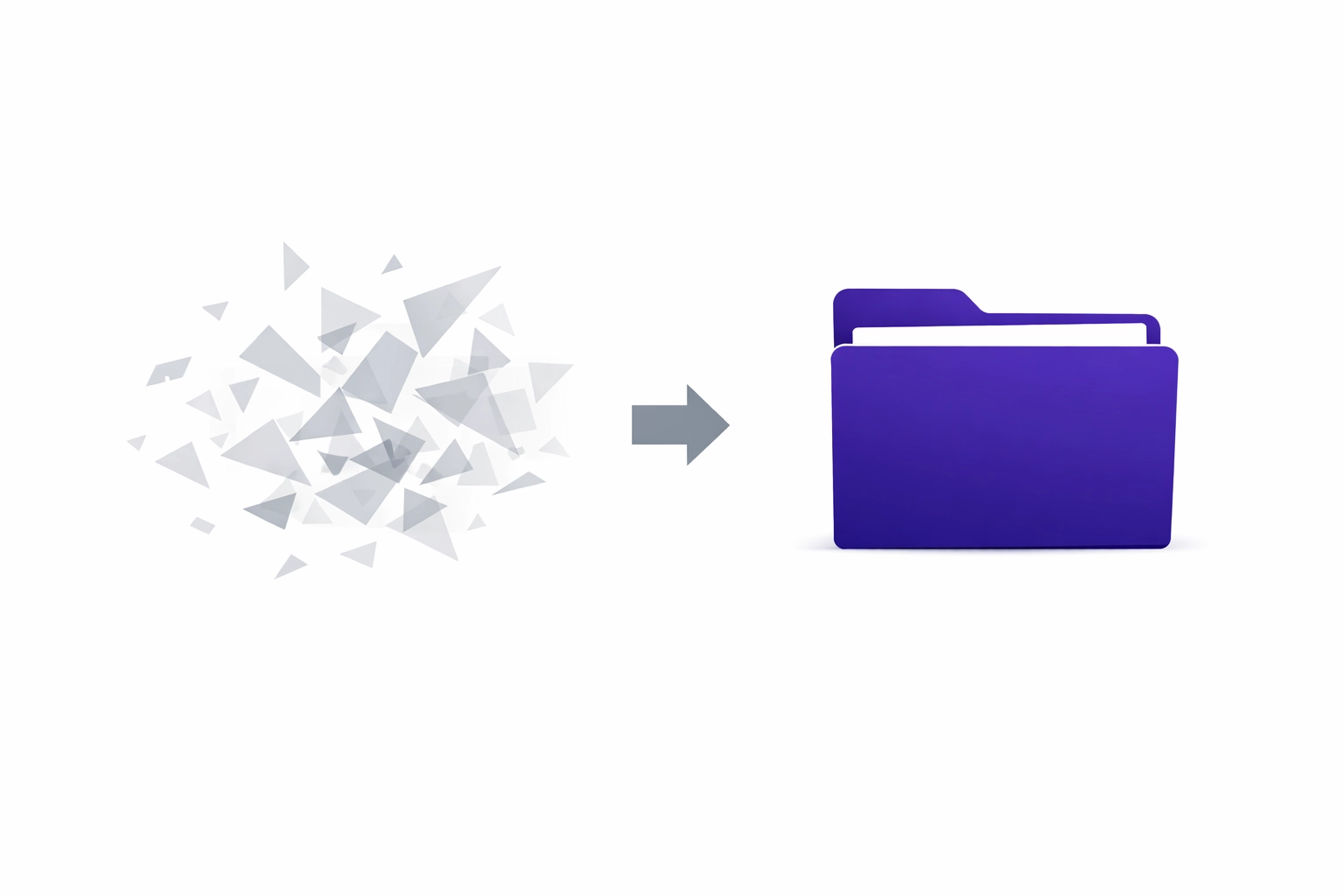
If you have been making these mistakes for months or years, your books are likely "messy." A bookkeeping cleanup involves going back through your historical data to correct miscategorized transactions, reconcile old bank statements, and fix job costing errors.
A cleanup is not just about making the numbers look pretty; it is about getting a clean slate so you can make informed decisions. You cannot plan for growth or apply for a significant business loan with inaccurate financial statements.
How to fix messy books:
- Reconcile every bank and credit card account for the last 12 to 24 months.
- Review your Accounts Receivable and write off invoices that are truly uncollectible.
- Review your Balance Sheet to ensure assets and liabilities are accurately stated.
- Categorize any "Uncategorized Expenses" to the correct projects.
If this feels overwhelming, it is often more cost-effective to hire professional bookkeeping services to handle the heavy lifting of a cleanup.
About the Author
Jelena Arkula is the owner of Books LA, a premier accounting and bookkeeping firm based in Los Angeles, California. With years of experience helping construction companies navigate messy books, Jelena and her team specialize in QuickBooks Online and Xero. We focus on providing financial clarity so business owners can focus on building.
Disclaimer
Books LA provides bookkeeping and strategic financial consulting. We do not provide income tax advice. We work closely with our clients' CPAs to ensure tax readiness. You should always confirm specific tax strategies and filings with your qualified CPA.
FAQ: Construction Bookkeeping and Cleanup
How much does a bookkeeping cleanup cost?
The cost varies depending on the volume of transactions and how many months or years of data need to be fixed. Most cleanups are priced as a one-time project fee.
How long does it take to clean up messy construction books?
A typical cleanup for a small to mid-sized construction company takes between two and six weeks, depending on the availability of records like bank statements and receipts.
Can I use standard QuickBooks for my construction business?
You can, but it is best to use QuickBooks Online Plus or Advanced to access the job costing and project tracking features that are essential for construction.
Do you handle payroll for construction crews?
We help manage the bookkeeping side of payroll, including tracking labor costs to specific jobs. For the actual check cutting and tax filing, we often integrate with specialized payroll providers.
What documents do I need to provide for a cleanup?
You will typically need to provide access to your accounting software, bank statements, credit card statements, loan agreements, and previous tax returns.
Why is my CPA asking for a WIP report?
A Work in Progress (WIP) report shows the CPA how much revenue you have earned versus how much you have billed. It is critical for accurate accrual-basis tax filing.
Do I need a bookkeeper if I already have a CPA?
Yes. A CPA generally focuses on high-level tax strategy and filing once a year. A bookkeeper handles the daily and monthly transactions that keep your business running and ensures the data given to the CPA is accurate.
What is the biggest mistake you see in construction books?
The biggest mistake is usually a total lack of job costing. Without knowing exactly what each project costs, it is impossible to know if you are actually making money.
Ready to get your finances in order?
If you are tired of guessing your profit margins, request a bookkeeping review today and let’s get your books cleaned up.