Why “Human-in-the-Loop” AI Will Change the Way You Do Your Bookkeeping

Why “Human-in-the-Loop” AI Will Change the Way You Do Your Bookkeeping

Last updated: April 17, 2026

Human-in-the-loop AI ensures that your financial data is processed with the speed of automation and the precision of a professional bookkeeper. This post is for business owners who want to scale their operations using AI for bookkeeping without sacrificing the accuracy required for clean financial statements. We will cover how the feedback loop works, why AI remains an assistant rather than a decision maker, and what this means for your bottom line.


About the Author

Jelena Arkula is the owner of Books LA, a boutique accounting firm based in Los Angeles. With years of experience helping local businesses clean up messy books and implement efficient workflows, Jelena and her team specialize in QuickBooks Online (QBO) and Xero. Books LA focuses on providing high-quality outsourced bookkeeping that blends modern technology with human oversight.


What is "Human-in-the-Loop" AI for bookkeeping?

The term "Human-in-the-Loop" (HITL) refers to a system where artificial intelligence handles the heavy lifting of data processing while a human expert provides oversight, feedback, and final validation. In the world of accounting, this means using AI to scan receipts, categorize transactions, and match invoices, while a professional bookkeeper reviews the output to ensure it matches the actual context of your business.

AI is incredibly fast at recognizing patterns. It can process thousands of transactions in seconds. However, it lacks the ability to understand "why" a specific purchase was made or how a unique business event should be recorded. By keeping a human in the loop, you get the best of both worlds: the efficiency of software and the judgment of a person.

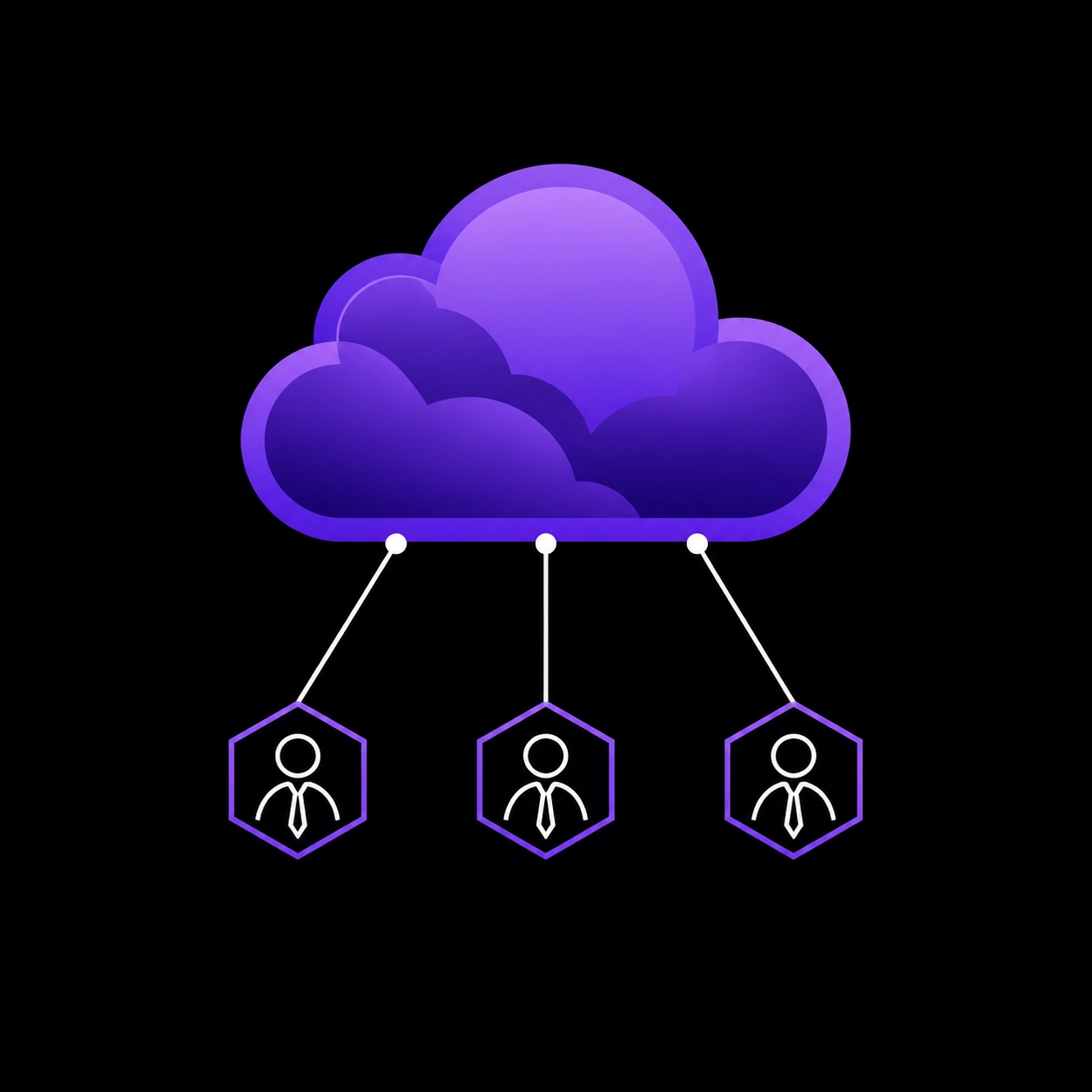
Abstract representation of human-in-the-loop AI for bookkeeping automation and precision.

Why AI is an excellent assistant but a poor decision maker

One of our core philosophies at Books LA is that AI is an assistant, not a manager. It is great at following rules, but it cannot make high-level decisions. For example, AI might see a transaction at a hardware store and automatically categorize it as "Supplies." A human bookkeeper, knowing that your construction company is currently working on a specific fixed-asset project, might realize that purchase actually belongs under "Capitalized Equipment."

If you rely solely on AI, these nuances are lost. Over time, these small miscategorizations lead to "messy books" that take thousands of dollars to fix come tax season. When you use outsourced bookkeeping that utilizes HITL AI, you ensure that someone is actually looking at the data to make the final call. The AI suggests, but the human decides.

How the feedback loop improves your financial accuracy

The "loop" part of HITL is what makes the system smarter over time. When a human corrects an AI categorization, the system learns from that correction. This is known as supervised learning.

  1. The AI processes a transaction: It assigns a confidence score. If it is 99 percent sure, it might suggest the category.
  2. The human reviews: If the AI is wrong, the bookkeeper manually corrects the entry.
  3. The system learns: The AI notes the correction and applies that logic to similar transactions in the future.

This cycle creates a verifiable workflow. Instead of blindly trusting an algorithm, your books are backed by a trail of human validation. This is essential for maintaining investor confidence and ensuring your reports are audit-ready.

Minimalist purple folder and magnifying glass illustrating human validation for audit-ready bookkeeping.

The balance between AI speed and human judgment

Speed is the primary reason business owners look into AI for bookkeeping. Nobody wants to wait three weeks after the month ends to see their Profit and Loss statement. HITL AI allows for near real-time data entry.

However, speed without accuracy is dangerous. A fast set of books that is 20 percent incorrect is worse than a slow set of books that is 100 percent correct. The HITL model finds the middle ground. It automates the 80 percent of transactions that are routine (like your monthly rent or software subscriptions) and flags the 20 percent that require a "judgment call" for human review.

This approach often results in a 20 to 25 percent increase in efficiency compared to traditional manual entry, allowing your bookkeeping team to focus on strategic advice rather than data entry.

Practical Example: The cost of AI error vs. HITL accuracy

Let’s look at a typical scenario for a Los Angeles based creative agency.

The Scenario: The agency spends $5,000 on a series of specialized software licenses for a specific client project that is billable.

  • Pure AI Approach: The AI sees the vendor name and categorizes the $5,000 under "Software Expenses." It misses the fact that this should have been a "Reimbursable Client Cost." The agency owner looks at their reports, thinks their overhead is high, and fails to invoice the client for the $5,000.
  • HITL Approach: The AI suggests "Software Expenses." The professional bookkeeper at Books LA sees the high dollar amount and the specific vendor. They check the client project list and move the transaction to "Billable Expenses."

The Result: The agency saves $5,000 in lost revenue because a human was there to catch the context that the AI missed.

A glowing checkmark within a data stream representing accuracy in AI-powered outsourced bookkeeping.

What does outsourced bookkeeping with HITL cost?

Many business owners worry that adding a human to the process makes it too expensive. In reality, HITL AI actually lowers the long-term cost of bookkeeping. By automating the routine tasks, the "human" hours required are reduced. You are no longer paying a professional to type numbers into a spreadsheet; you are paying them to review and verify the data.

When you look at bookkeeping packages, you should ask if they use automation and how they verify the data. A "cheap" service that uses pure AI often ends up costing more in "cleanup fees" later on. We find that the most cost-effective way to run a business is to have a consistent, monthly review process where AI does the heavy lifting and humans do the thinking.

Important Disclaimer: Bookkeeping vs. Income Tax

At Books LA, we focus on providing the cleanest financial data possible. However, it is important to note that we do not provide income tax advice. We are not a CPA firm. We work closely with your CPA to ensure they receive a "tax-ready" set of books at the end of the year. You should always confirm specific tax strategies and filings with your licensed CPA. Our role is to handle the day-to-day compliance, such as sales tax, payroll tax, and general ledger maintenance, so your tax professional can do their job effectively.

How to start using HITL AI in your business

If you are still doing your own books or relying on a system that feels outdated, the transition to a modern HITL workflow is simpler than you might think.

  1. Switch to Cloud Accounting: Use platforms like QuickBooks Online or Xero that support AI integrations.
  2. Connect Your Feed: Ensure your bank feeds and receipt capture tools are synced.
  3. Hire an Expert: Work with a team like Books LA to act as the "human" in your loop.
  4. Review Monthly: Spend 15 minutes a month reviewing the categorized data with your bookkeeper to ensure the AI is learning correctly.

If you are ready to see how this balance of technology and human expertise can work for your business, you can request a bookkeeping review today.


FAQ: AI for Bookkeeping and Human Oversight

Is AI bookkeeping safe for my financial data?
Yes, when used with reputable platforms like QBO or Xero, AI bookkeeping uses the same level of encryption as major banks. The human-in-the-loop model adds an extra layer of safety by ensuring an expert reviews the data for anomalies.

Will AI replace my bookkeeper entirely?
No. AI is a tool that handles data entry. You still need a human to understand the context of your business, handle complex transactions, and ensure you are compliant with local Los Angeles and California business regulations.

How much does outsourced bookkeeping with AI cost?
Pricing varies based on your transaction volume and the complexity of your business. Generally, it is more affordable than hiring a full-time employee because the AI reduces the number of hours a human needs to work on your files.

Can AI handle my sales tax and payroll?
AI can help calculate and track these figures, but a human must always verify them. Payroll and sales tax are high-stakes compliance areas where a small AI error can lead to significant government penalties.

What if the AI makes a mistake?
This is exactly why the "Human-in-the-Loop" model exists. A human reviewer is responsible for catching and correcting any errors made by the AI before your financial statements are finalized for the month.

Do I need to be tech-savvy to use this?
Not at all. Your bookkeeping team handles the technical side of the AI. Your job is simply to provide the data (like receipts or access to bank feeds) and review the final reports.

Does Books LA work with my existing CPA?
Absolutely. We provide the clean, verified data your CPA needs for tax season. We focus on the month-to-month bookkeeping so your CPA can focus on high-level tax planning.

How do I know if my current bookkeeper is using AI correctly?
Ask them about their verification process. If they are just "auto-posting" transactions without a manual review, you are at risk for errors. A good bookkeeper will be able to explain how they validate the data the software provides.

Do You Really Need a Full-Time Employee? Here’s the Truth About Bookkeeping Costs

Do You Really Need a Full-Time Employee? Here’s the Truth About Bookkeeping Costs

Last updated: April 17, 2026

For most small business owners, hiring a full-time bookkeeper is an unnecessary expense that drains capital better spent on growth. In this guide, we will break down the real costs of in-house hiring versus outsourced bookkeeping services to help you decide which path fits your current stage of business.

Deciding how to handle your finances is one of the biggest crossroads for a growing company. You have reached the point where you cannot do the data entry yourself anymore, but you are not sure if you are "big enough" to put someone on payroll. The truth is that the gap between DIY and a full-time salary is huge, and most businesses find their sweet spot in the middle with outsourced bookkeeping.

The Real Cost of an In-House Bookkeeping Employee

When you look at a job board and see a bookkeeper asking for $50,000 a year, that is not your actual cost. Hiring an employee comes with a "burdened" cost that most founders underestimate.

The burdened cost includes:

  • Payroll Taxes: Social Security, Medicare, and unemployment taxes.
  • Benefits: Health insurance, 401k matching, and paid time off.
  • Overhead: Office space, a desk, a high-end laptop, and software licenses.
  • Management Time: The hours you spend training, reviewing their work, and doing annual performance reviews.

Industry data suggests that the true cost of an employee is typically 1.25 to 1.4 times their base salary. That $50,000 bookkeeper is actually costing your business closer to $70,000. For a startup or a small service business in Los Angeles, that is a massive chunk of overhead for a role that might only require 10 to 15 hours of actual work per week.

Illustration representing the hidden overhead and bookkeeping costs of hiring a full-time employee.

Comparing the Numbers: In-House vs. Outsourced Bookkeeping

Let’s look at the math for a typical small business doing between $1M and $3M in annual revenue.

Option A: Full-Time In-House Bookkeeper

  • Base Salary: $55,000
  • Taxes and Benefits: $13,750
  • Software and Equipment: $2,500
  • Total Annual Cost: $71,250

Option B: Outsourced Bookkeeping Services

  • Average Monthly Fee: $600 to $1,200
  • Software: Usually included or discounted
  • No benefits or taxes
  • Total Annual Cost: $7,200 to $14,400

The difference is staggering. By choosing bookkeeping services over a full-time hire, you are saving roughly $50,000 to $60,000 a year. That is money that could hire a new sales rep, fund a marketing campaign, or simply stay in your pocket as profit.

The Hidden Risks of the "One Person" Office

Cost is not the only factor. When you hire one full-time person, you are putting all your financial eggs in one basket. If that person gets sick, goes on vacation, or quits suddenly, your financial data stops. You lose continuity.

Outsourced firms operate differently. At Books LA, we use a team approach. This means your books are always getting done, regardless of individual schedules. You also get a higher level of expertise. A standard in-house bookkeeper is great at data entry, but they might not have the high-level oversight to spot complex errors or suggest tax-saving strategies. When you outsource, you often get access to a team that includes both staff bookkeepers and senior controllers who have seen it all.

When Does a Full-Time Hire Actually Make Sense?

We are all about honesty here. There is a point where hiring in-house becomes the right move. Typically, this happens when your business hits one of these markers:

  1. High Transaction Volume: If you are a high-volume e-commerce brand or a restaurant group with thousands of daily transactions that require constant reconciliation.
  2. Complex Operational Needs: If you need someone to manage physical inventory, handle daily accounts receivable collections, or process a complicated weekly payroll for 50+ employees.
  3. Revenue Scale: Usually, once a company passes the $5M to $10M revenue mark, the complexity of daily operations starts to justify a full-time internal finance person.

If you are not there yet, you are likely paying for "idling time." You are paying a full-time salary for someone who spends half their day browsing the internet because the actual bookkeeping tasks are finished.

Minimalist calculator representing scaling transaction volume and small business bookkeeping growth.

Why Small Business Bookkeeping is Changing

Modern accounting technology like QuickBooks Online and Xero has made the "full-time bookkeeper" role nearly obsolete for the average small business. Automations can now handle the heavy lifting of bank feeds and receipt scanning.

What you need today isn't a data entry clerk; you need a cloud accounting partner who knows how to manage these tools. An outsourced service focuses on the output (clean reports and reconciliations) rather than the hours spent sitting in a chair.

Making the Transition

If you currently have messy books or are struggling to keep up with the DIY approach, jumping straight to a full-time hire is a "panic move." It feels like it will solve the problem, but it often just creates a new management burden.

The better first step is a bookkeeping cleanup. Getting your historical data into a clean, digital format allows an outsourced team to take over seamlessly. This gives you the clarity you need to run your business without the overhead of an extra employee.

About the Author: Books LA

Books LA is a boutique bookkeeping firm based in Los Angeles, California. Led by Jelena Arkula, our team specializes in QuickBooks Online and Xero for small businesses and startups. We focus on providing "real-talk" financial clarity without the corporate jargon. We believe that every business owner deserves to understand their numbers without being buried in them.


Important Disclaimer: Books LA provides bookkeeping and business consultation services. We do not provide income tax advice, and we do not file income tax returns. We work closely with our clients' CPAs to ensure they have the clean data needed for tax season. We always recommend confirming specific tax matters with a licensed CPA.


FAQ: The Truth About Bookkeeping Costs

1. How much does outsourced bookkeeping usually cost per month?
Most small businesses pay between $500 and $1,500 per month. The price depends on your transaction volume, the number of bank accounts, and if you need extra services like accounts payable or payroll management.

2. Is a freelancer cheaper than a bookkeeping firm?
A solo freelancer might have a lower hourly rate, but they often lack the systems, security, and backup staff that a firm provides. If a freelancer disappears, your books stop. A firm offers more stability for a similar price point.

3. What if I only have a few transactions?
If you have very low volume, you might only need a quarterly check-in or a basic monthly package. Even at low volumes, having a professional set up your chart of accounts correctly is worth the initial investment.

4. Will I lose control of my data if I outsource?
No. In fact, you usually gain more control. Cloud-based tools like QuickBooks Online allow you to log in and see your data anytime, anywhere. You own the data; we just keep it organized for you.

5. Do I still need a CPA if I have a bookkeeper?
Yes. Think of it this way: your bookkeeper is the person on the ground every day making sure the data is accurate. Your CPA is the specialist who comes in at the end of the year to file your taxes and handle high-level tax planning. We love working with CPAs because we give them the clean files they need to do their job efficiently.

6. How do I know when it's time to stop doing it myself?
When you start dreading the "books" or if you are more than two months behind on reconciliations, it is time. If you are making decisions based on your bank balance rather than a Profit & Loss statement, you have outgrown the DIY stage.

7. Can an outsourced bookkeeper help with my 1099s?
Yes. Most monthly bookkeeping services include tracking 1099 requirements throughout the year so that January isn't a total nightmare for you.

8. What software should I use?
We almost always recommend QuickBooks Online or Xero. They are the industry standards for a reason: they integrate with almost every bank and business app on the market, making outsourced bookkeeping much more efficient.

Ready to get your time back?

If you are tired of the DIY struggle but aren't ready for a full-time hire, we should talk. You can book a call with us to see how we can help you get your books in order.

Looking for a Bookkeeper in Los Angeles? Here Are 10 Things You Should Know

Looking for a Bookkeeper in Los Angeles? Here Are 10 Things You Should Know

Last updated: Sunday, 5 of April 2026

Finding the right bookkeeper in Los Angeles requires balancing technical skill with industry-specific knowledge and a modern approach to technology. This guide covers the 10 essential factors for LA small business owners, from cost expectations to the critical role of human judgment in an AI-driven world.

1. Understanding the Los Angeles Rate Market

Bookkeeping rates in California generally range from $16 to $36 per hour depending on the complexity of your financial situation and the level of experience required. In a high-cost area like Los Angeles, you might find that specialized services or those with deep industry experience lean toward the higher end of that scale. While price is always a factor, the cheapest option often leads to more expensive cleanup projects later. Investing in a professional who understands California-specific labor laws and local business taxes can save you thousands in potential penalties.

2. Industry Specifics: Why Local Context Matters

Los Angeles has a unique economic landscape. If you are running a production company in Hollywood, a tech startup in Silicon Beach, or a boutique in Silver Lake, your bookkeeping needs will differ wildly. A generalist might understand debits and credits, but an LA-focused bookkeeper should understand specific nuances like royalty calculations, licensing agreements, or production budgets. They should also be familiar with local city taxes and the specific filing requirements for businesses operating within the City of Los Angeles.

Minimalist purple palm tree graphic symbolizing specialized bookkeeping services for Los Angeles small businesses.

3. AI is an Assistant, Not a Decision Maker

In 2026, many bookkeeping firms use artificial intelligence to categorize transactions and pull data from receipts. While this technology increases efficiency, it is important to remember that AI is an excellent assistant, not a decision maker. When you hire a bookkeeper, you are not just paying for someone to use software. You are paying for human judgment. An AI might see a charge at a restaurant and categorize it as "Meals," but it does not know if that was a personal lunch or a legitimate client meeting that needs to be documented for tax purposes. You need a professional who reviews the AI's work and applies business logic to ensure your reports are accurate and meaningful.

4. Qualifications and Software Expertise

While bookkeeping does not require a federal license, you should look for candidates with degrees in accounting or finance and relevant certifications. Most modern businesses in LA rely on cloud-based platforms like QuickBooks Online or Xero. Your bookkeeper should be more than just "familiar" with these tools; they should be experts who can troubleshoot integration issues with your payment processors or payroll providers. For more on why modern tools matter, you can read about the power of cloud accounting for growing companies.

5. Communication and Reliability

Your financial data is the heartbeat of your business. If your bookkeeper is slow to respond or provides inconsistent reports, you cannot make informed decisions. Look for a partner who communicates clearly and sets a regular schedule for monthly closes. You should expect your books to be finalized by a specific date every month so you can review your profit and loss statements while the information is still fresh. Reliability is often the biggest differentiator between a hobbyist and a professional service.

6. Defining Core Responsibilities

Before hiring, be clear about what you need. Standard bookkeeping usually includes recording daily transactions, reconciling bank and credit card accounts, and preparing basic financial reports. However, you might also need help with transforming payroll complexity or managing accounts payable and receivable. Defining these boundaries early prevents "scope creep" and ensures you are not overpaying for services you don't need or under-serving critical areas of your business.

Minimalist clock and folder graphic representing time savings through professional Los Angeles bookkeeping services.

7. Identifying When to Hire

Many small business owners wait too long to hire help. If you find yourself spending your weekends staring at spreadsheets instead of growing your company, it is time for a change. Other signs include being months behind on reconciliations, feeling stressed about tax deadlines, or having no idea whether you actually made a profit last month. Hiring help is often the first step in navigating financial clarity and moving away from common pitfalls that stall growth.

8. Compliance and Risk Management

A professional bookkeeper acts as a first line of defense against errors and compliance issues. They ensure your transactions are recorded in conformity with accounting standards and flag inconsistencies that could lead to audits. In California, staying compliant with payroll taxes and sales tax is particularly rigorous. Your bookkeeper should work alongside your CPA to ensure that the data provided at year-end is clean, organized, and ready for tax preparation.

9. The Relationship Between Bookkeepers and CPAs

It is a common misconception that a bookkeeper and a CPA do the same thing. Think of your bookkeeper as the person who maintains the engine of your car every day, while the CPA is the specialist who performs the annual smog check and files the official paperwork with the state. A great bookkeeper in Los Angeles will have a process for handing off clean files to your CPA, which often reduces the billable hours your CPA spends on "cleanup" work.

Abstract gears graphic showing how a professional bookkeeper works with a CPA for small business financial health.

10. Scalability for the Future

Your business today will not look the same in two years. You need a bookkeeping partner who can scale with you. This might mean moving from simple cash-basis reporting to accrual-basis accounting as you grow, or adding complex inventory tracking as you launch new products. When interviewing, ask how they have helped other clients transition through different growth phases. Choosing a partner who can handle your future complexity prevents the headache of switching providers later.

A Practical Example of Human Judgment

Consider a Los Angeles consulting firm that uses an AI tool to fetch bank transactions. The AI sees a $500 payment to an electronics store. Without human intervention, the AI might categorize this as "Office Supplies." However, a human bookkeeper who understands the business knows the firm just hired a new contractor and realizes this was actually a hardware purchase that needs to be capitalized and depreciated over time. That single correction affects the balance sheet, the tax liability, and the accuracy of the company's valuation. This is why we emphasize that technology assists the process, but the human makes the final call.

Important Tax Disclaimer

Books LA provides bookkeeping and business consulting services. We do not provide income tax advice, and we do not prepare income tax returns. We focus on day-to-day financial accuracy, sales tax compliance, payroll tax management, and business licensing. We strongly recommend that all clients work with a qualified CPA for income tax matters. We are happy to coordinate with your CPA to provide the accurate financial data they need to maximize your tax strategy.

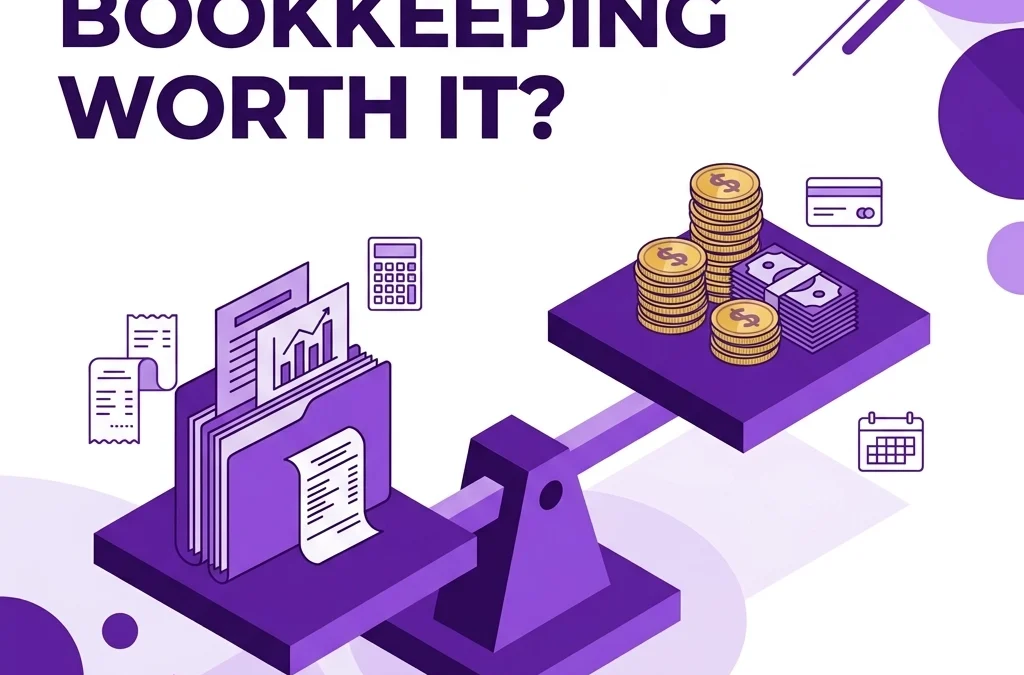
Balance scale icon illustrating the harmony between AI financial tools and professional human judgment in bookkeeping.

About the Author

Jelena Arkula is the owner of Books LA, a boutique bookkeeping firm based in Los Angeles. With years of experience helping local businesses find financial clarity, Jelena and her team specialize in QuickBooks Online and Xero. They believe in leveraging modern technology to increase efficiency while maintaining the high-touch human oversight that complex business decisions require. Books LA serves a wide variety of industries across the Los Angeles area, focusing on building long-term partnerships that foster growth.


FAQ: Hiring a Bookkeeper in Los Angeles

How much does a bookkeeper in LA typically cost?
Most professional bookkeepers charge between $16 and $36 per hour, though many modern firms offer fixed monthly packages starting around $400 to $600 for basic services.

Do I need a local bookkeeper or can I hire someone remote?
While cloud accounting allows for remote work, a local LA bookkeeper understands specific California payroll laws and City of Los Angeles business tax requirements that a remote generalist might miss.

Can’t I just use AI and software to do it myself?
Software is great for data entry, but AI often miscategorizes transactions. Without a professional to review the data, your reports will likely contain errors that make them useless for decision-making or tax filing.

What is the difference between a bookkeeper and an accountant?
Bookkeepers handle daily transaction recording and reconciliations. Accountants (CPAs) typically handle high-level tax strategy, audits, and filing income tax returns.

How often should my books be updated?
At a minimum, your books should be reconciled monthly. For high-volume businesses, weekly updates are recommended to maintain an accurate view of cash flow.

What do I need to provide to my bookkeeper to get started?
Usually, you will need to provide view-only access to bank and credit card statements, a list of your current software tools, and your prior year’s tax return or financial statements.

Does a bookkeeper file my income taxes?
No. Most bookkeepers focus on the data and compliance tasks like sales tax and payroll tax. You should always have a CPA review your books and file your annual income tax returns.

What software is best for Los Angeles small businesses?
QuickBooks Online and Xero are the industry standards. They offer the best integrations with local banks and the apps most LA businesses use for payroll and payments.


If you are ready to stop managing spreadsheets and start growing your business, we can help. Request a bookkeeping review today to see how human-led bookkeeping can give you the clarity you need.

7 Mistakes You’re Making with Digital Record-Keeping (and How to Fix Them)

7 Mistakes You’re Making with Digital Record-Keeping (and How to Fix Them)

Last updated: April 5, 2026

To keep your business records compliant and organized, you must move beyond simple digital storage and implement a system of human review that corrects AI errors and standardizes document naming. This post is for Los Angeles small business owners who want to clean up their digital record-keeping and understand why AI is an excellent assistant but not a final decision maker for their books.

Digital record-keeping has shifted from a luxury to a necessity for business owners in Los Angeles. While tools like QuickBooks Online and various AI receipt scanners have made gathering data easier, they have also created a false sense of security. Many owners assume that because a document is "in the cloud," the job is done.

At Books LA, we see the results of this assumption every day. AI is a powerful tool for fetching data, but it lacks the context of your specific business operations. It can scan a receipt, but it cannot decide if that expense was a personal draw, a marketing cost, or a job-related expense for a specific client in Santa Monica.

Here are the seven most common mistakes we see in digital record-keeping and how you can fix them to stay compliant and organized.

1. Why shouldn't I let AI categorize everything automatically?

The most common mistake is treating AI as a decision maker rather than an assistant. AI tools are excellent at optical character recognition (OCR). They can read a date, a vendor name, and a total amount with high accuracy. However, AI often guesses the category based on the vendor name alone.

For example, if you go to Target to buy office paper, AI might correctly suggest "Office Supplies." But if you went to Target to buy a microwave for the employee breakroom, that should be handled differently, perhaps as a fixed asset or a different expense category depending on your capitalization threshold. If you allow the software to "auto-add" transactions without review, your general ledger will eventually become a mess of inaccurate data.

The Fix: Disable "auto-add" features in your accounting software. Use the AI to pull the data, but require a human decision maker to review the category and the "class" or "location" before the transaction is finalized.

2. How does a lack of version control hurt my business?

When multiple team members have access to digital folders, it is common for several versions of the same document to exist. You might have "Contract_Final.pdf," "Contract_Final_v2.pdf," and "Contract_Final_REAL.pdf." This creates significant confusion during an audit or a legal dispute. Failing to track versions leads to duplicated work and the very real risk of signing or acting upon an outdated document.

Layered digital document icons representing organized version control for business record-keeping.

The Fix: Use a document management system that includes built-in version history. Instead of creating new files, upload new versions to the same file entry. Ensure your team understands that the latest version in the system is the only source of truth.

3. Am I putting my data at risk with poor security?

Many small businesses in LA use basic cloud storage without considering role-based permissions. If your summer intern has the same level of access to your financial records as your lead bookkeeper, you have a security hole. Weak access controls or using unsecured "public" links to share sensitive PDFs exposes your business to data breaches.

The Boss’s Rule of Thumb: Access should be granted on a "need to know" basis. Your marketing team does not need access to your payroll tax filings.

The Fix: Implement encrypted storage and use multi-factor authentication (MFA) on every account. Review your privacy policy and ensure your internal file-sharing protocols match your commitments to your clients.

4. Why is using email as a filing system a mistake?

Many business owners treat their email inbox as their primary record-keeping tool. They search for "Receipt" or "Invoice" in their search bar whenever they need to find something. The problem is that email is a communication tool, not a storage tool. If an employee leaves the company or an account is compromised, those records can vanish or become inaccessible.

The Fix: Establish a workflow where every financial document received via email is immediately moved to a dedicated document management system or your accounting software’s receipt capture tool. Do not leave the only copy of a 1099 or a vendor contract sitting in an inbox.

5. What happens when I have no naming conventions?

Chaos scales faster than your business does. If one person names a file "Inv_123_Apple.pdf" and another names it "2026_Apple_Invoice.pdf," finding specific documents becomes a manual, time-consuming chore. Inconsistent naming conventions make it nearly impossible to use search functions effectively as your volume of transactions grows.

The Fix: Create a standard naming convention for all digital files. A common format is YYYY-MM-DD_VendorName_Amount. For example: 2026-04-05_Staples_45.20.pdf. This allows files to be sorted chronologically and searched by vendor or date easily.

6. How long do I actually need to keep these digital records?

A major compliance mistake is either deleting records too early or keeping them indefinitely. Both paths create risk. If you delete a record before the statute of limitations is up, you lose your defense in an audit. If you keep everything forever, you increase your liability and make your digital environment harder to manage.

The Fix: Consult with your CPA to establish a formal retention schedule. Generally, the IRS requires you to keep records for three to seven years, but certain documents, like business licenses or property records, should be kept permanently. Set up automated reminders or "purge dates" in your document management system.

7. What is the danger of not having a backup plan?

Relying on a single cloud provider is not a backup plan: it is a single point of failure. While companies like Intuit or Google have high uptime, accounts can be locked or files can be accidentally deleted by a user. Without a secondary, redundant backup, those records are gone forever.

The Fix: Use the "3-2-1" rule. Have three copies of your data, on two different media types, with one copy off-site. For digital records, this often means your primary cloud storage, a local backup, and a secondary cloud backup service that runs automatically.

A purple security shield icon with cloud storage symbols for secure digital record-keeping and backups.

A Practical Example: The Office Renovation

Let’s look at a realistic scenario for a business owner in Los Angeles. Imagine you are renovating your boutique office in Silver Lake. You spend $1,200 at a large home improvement store.

The AI assistant scans the receipt and sees the vendor. It suggests "Repairs and Maintenance." However, because you are a savvy owner, you review the transaction. You realize that $800 of that was for permanent fixtures that should be capitalized, and $400 was for basic paint and supplies.

If you had let the AI decide, your "Repairs" expense would be overstated, and your assets would be understated. By acting as the decision maker, you ensure your balance sheet is accurate and your tax strategy remains sound.

How we help at Books LA

Proper record-keeping is the foundation of a healthy business. We help our clients build systems where technology handles the heavy lifting of data entry, but human expertise handles the categorization and compliance. Whether you need a full bookkeeping cleanup or ongoing monthly support, we ensure your digital files are an asset, not a liability.

If you are tired of looking at a cluttered digital folder and wondering if you are audit-ready, it might be time to professionalize your process. You can view our packages to see how we integrate with your current workflow.

Next Action Steps:

  1. This week, disable "auto-categorize" in your accounting software.
  2. This month, create a one-page "Naming Convention" guide for your team.
  3. Today, check if Multi-Factor Authentication is turned on for your primary financial accounts.

About the Author

Jelena Arkula is the owner of Books LA, a bookkeeping firm based in Los Angeles. With years of experience helping local businesses navigate the complexities of digital record-keeping, she and her team are experts in QuickBooks Online (QBO) and Xero. Jelena believes that while technology is essential, the human element of "wisdom-sharing" is what truly keeps a business compliant and profitable.


Disclaimer: Books LA provides bookkeeping services and practical guidance on record-keeping. We do not provide income tax advice. We work closely with CPAs to ensure your books are ready for tax season, and we recommend that all readers confirm their specific tax positions and retention schedules with their CPA.


FAQ: Digital Record-Keeping for Small Business

1. Is a digital copy of a receipt enough for the IRS?
Yes, the IRS has accepted digital receipts since 1997, provided they are legible, store all the information from the original, and you can produce them during an audit.

2. What software do you recommend for scanning receipts?
We typically recommend QuickBooks Online’s mobile app, Dext, or Hubdoc. These tools act as great assistants by pulling data directly into your accounting workflow.

3. Does digital record-keeping cost more than paper?
Initially, there is a small cost for software subscriptions, but the long-term savings in physical storage space, time spent searching for files, and audit protection far outweigh the monthly fees.

4. How do I handle records if I use payment apps like Venmo or PayPal?
This is a common "mess" area. You must treat these like bank accounts. Download the monthly statements and attach the original invoices or receipts for every business-related transaction made through the app.

5. Can I just use Google Drive for all my records?
You can, but it requires strict folder structures and naming conventions. Google Drive is a storage tool: it does not "understand" your books the way an accounting-integrated tool does.

6. What if I lose my phone with all my receipt photos?
If you are using a cloud-based assistant like QBO or Dext, the photos are uploaded to the cloud immediately. Losing the physical device does not mean you lose the data.

7. Do I need to keep the original paper receipt after I scan it?
Once you have verified that the digital scan is clear and backed up, you generally do not need the paper copy. However, many owners keep paper copies for the current tax year just in case.

8. How do I know if my AI is categorizing things wrong?
Run a "Profit and Loss" report by month. If you see a sudden spike in one category or see vendors listed in strange places (like "Uncategorized Expense"), your AI is likely making poor decisions.

9. Can Books LA help me organize my old digital files?
Yes, we offer cleanup services to help business owners get their digital records in order and establish a system that works moving forward. You can contact us to discuss a review.

10. What is the biggest mistake people make with digital files?
Thinking that "saving it" is the same as "accounting for it." A file saved in a folder is just data: a file categorized in your books is information.

For more information on how we support our community, feel free to explore our about page or read our client testimonials.

How to Integrate Your Payment Apps with QuickBooks Without Creating a Mess

How to Integrate Your Payment Apps with QuickBooks Without Creating a Mess

Last updated: April 5, 2026

Integrating payment apps like Stripe, Square, or PayPal with QuickBooks Online provides speed, but it requires human oversight to prevent data errors. This guide is for Los Angeles small business owners who want to automate their bookkeeping workflow while ensuring their financial reports remain accurate for their CPA.

The Core Philosophy: AI as the Assistant, Not the Boss

In the world of modern accounting, artificial intelligence and automated sync tools are excellent assistants. They can move thousands of data points in seconds, which saves you hours of manual entry. However, AI is not a decision maker. It does not understand the nuance of your specific business model or the unique way you might need to track a specific promotion.

When you connect a payment processor to QuickBooks, you are delegating the data entry to an algorithm. If you do not supervise that algorithm, you might find that your books show double the income you actually earned or that your processing fees are completely missing. The technology handles the "how" of the data transfer, but you or your bookkeeper must handle the "why" and "where" of the accounting logic.

Professional oversight of digital data cubes to ensure accurate QuickBooks accounting logic.

Choosing Between Native and Third-Party Integrations

The first step in a clean integration is deciding how the data will flow. You generally have two choices: native integrations built by the software providers or third-party "bridge" apps.

Native Integrations

QuickBooks has built-in "Connect" features for Square, Stripe, and PayPal. These are often the easiest to set up. They are designed to pull in sales receipts, categorize fees, and match bank deposits automatically. For many small businesses in LA, this is the preferred route because it minimizes the number of subscriptions you need to manage.

Third-Party Bridge Apps

Sometimes, the native integration is too basic. If you have complex inventory needs or multiple tax jurisdictions, you might use a bridge app like A2X or Synder. These tools act as a more sophisticated "assistant." They summarize daily sales and handle the "gross to net" reconciliation before the data even hits your QuickBooks file.

Before you choose, review our step-by-step guide to setting up QuickBooks or Xero for your business success to ensure your foundation is solid.

Why Automated Mappings Often Go Wrong

The mess usually starts with "mapping." Mapping is the process of telling the integration which account in your Chart of Accounts should receive the data from the payment app.

If the AI assistant sees a $100 sale from Stripe, it needs to know:

  1. Is this Sales Income or Service Income?
  2. Is there Sales Tax included in that $100?
  3. Where should the $2.90 processing fee be recorded?

If you leave these decisions to the default settings, the AI might dump everything into "Uncategorized Income." This creates a significant cleanup project at the end of the year. Human oversight ensures that the income is split correctly between the actual revenue and the liability for sales tax.

The Problem with "Net" Deposits

One of the most common mistakes business owners make is recording the "net" amount deposited into their bank account. If a customer pays you $1,000 via Square, and Square takes a $30 fee, you receive $970 in your bank.

If the AI assistant only records the $970, your records are technically incorrect. Your gross revenue is understated, and your merchant expenses are invisible. A proper integration should record the full $1,000 as income and the $30 as an expense. This "gross settlement" approach is vital for accurate financial analysis and for staying competitive. You can read more about why this level of detail matters in our post on why small businesses need cloud bookkeeping to stay competitive.

Visualizing the split between gross sales revenue and merchant processing fees in bookkeeping.

Step-by-Step Integration Workflow

To keep your books clean, follow this logical flow for any payment app integration:

  1. Connect in a Sandbox or Trial Mode: If possible, test the sync with just a few transactions first.
  2. Map Your Accounts: Manually assign your Sales, Sales Tax, and Merchant Fee accounts. Do not rely on the "auto-create" feature for new accounts.
  3. Define the Sales Tax Agency: Ensure the integration knows which tax agency (like the California Department of Tax and Fee Administration) the sales tax belongs to.
  4. Verify Against the Bank Feed: After the sync runs, check your QuickBooks bank feed. You should see a "Match" found for the deposit. If you see "Add" instead of "Match," the integration is not working correctly and you might be doubling your income.
  5. Reconcile Monthly: Even with a perfect sync, you must perform a monthly reconciliation.

For a deeper dive into why that last step is so critical, see our article on the importance of monthly bank reconciliations.

Avoiding the "Double Income" Trap

The "Double Income Trap" happens when the payment app syncs a Sales Receipt into QuickBooks, and then the business owner also clicks "Add" on the bank deposit in the bank feed. Now, QuickBooks thinks you earned that money twice.

This is where the AI as an assistant fails if there is no human decision maker. The AI assistant synced the data as instructed, but the human user made a poor decision in the bank feed. To avoid this, always look for the green "Match" icon. If the match isn't showing up, it usually means the dates or amounts don't line up perfectly, requiring a human to investigate the discrepancy.

Interlocking shapes representing a successful transaction match within QuickBooks Online.

Practical Example: The $500 Sale

Let's look at how a clean integration handles a $500 sale made through Square in a Los Angeles retail shop.

  • The Transaction: A customer buys $500 worth of goods. Square charges 3% ($15).
  • The Assistant (Square Integration): Automatically creates a Sales Receipt in QBO for $500. It also records a "Transfer" or "Expense" for the $15 fee. It puts the remaining $485 into a "clearing account" (a temporary holding spot).
  • The Bank Deposit: Two days later, $485 hits the business bank account.
  • The Decision Maker (You/Bookkeeper): You see the $485 in the bank feed. QBO suggests a match to the $485 recorded in the clearing account. You confirm the match.

Result: Your income is exactly $500, your expenses are $15, and your bank balance is correct. No mess.

Maintaining Operational Efficiency

Integrating your apps is a part of a larger strategy to enhance operational efficiency. When your payment systems talk to your accounting software, you reduce the risk of human error in data entry. However, if the mapping is wrong, you simply automate the creation of errors.

If you are currently overwhelmed by digital records, you might find our tips on simple document management hacks helpful for organizing the rest of your financial life.

Final Thoughts for LA Business Owners

Automation is a tool, not a replacement for financial literacy. Whether you are using Stripe for an e-commerce site or Square for a coffee shop in Santa Monica, the goal of integration is to give you more time to grow your business, not to give you a headache at tax time.

By treating AI as an assistant that needs clear instructions and regular reviews, you can enjoy the benefits of a modern tech stack without the "mess" of disorganized books.

If you want a professional eye to review your current integrations, feel free to book a short call with us at Books LA. We specialize in making these systems work together seamlessly.


About the Author: Jelena Arkula

Jelena Arkula is the owner of Books LA, a boutique bookkeeping firm based in Los Angeles. With years of experience in QuickBooks Online and Xero, Jelena helps small businesses move to the cloud and optimize their financial workflows. She believes that while technology is essential, the "human touch" in accounting is what ensures true financial clarity.


FAQ: Integrating Payment Apps with QuickBooks

Does QuickBooks automatically sync with Stripe and Square?
Yes, QuickBooks has native "Connect" apps for both. However, you must manually go through the setup process to map your income and fee accounts correctly.

Will I get charged extra for these integrations?
Most native integrations provided by QuickBooks are included in your subscription, but third-party bridge apps like Synder or A2X usually have their own monthly fees.

Why is my income showing up twice in QuickBooks?
This usually happens because you are "adding" the transaction from the bank feed instead of "matching" it to the sales receipt generated by the integration.

Can I sync historical data or only new transactions?
Most integrations allow you to choose a start date. Be careful when syncing historical data, as it can clutter previously reconciled months.

What if my payment app handles sales tax?
You must ensure the integration is mapped to your Sales Tax Liability account in QuickBooks. If not, the tax collected will mistakenly be recorded as regular income.

Do I still need a bookkeeper if I automate the sync?
Yes. An automated sync is an assistant that moves data. A bookkeeper acts as the decision maker who ensures the data is mapped correctly and reconciles the accounts to catch errors the AI might miss.

How do I handle refunds through these apps?
A good integration will sync refunds as "Refund Receipts" or "Credit Memos." If your integration doesn't do this, you will have to record them manually to keep your revenue accurate.


IRS/Tax Disclaimer: Books LA does not provide income tax advice. We focus on bookkeeping, sales tax, and payroll compliance. We work closely with CPAs for income tax matters, and we recommend you confirm all tax-related decisions with your CPA.

Geometric spheres connected to represent a streamlined accounting and payroll software ecosystem.

Do You Really Need an Outsourced Bookkeeper? Here’s the Truth for Lean Teams

Do You Really Need an Outsourced Bookkeeper? Here’s the Truth for Lean Teams

Last updated: April 5, 2026

For most lean teams, the decision to outsource bookkeeping becomes necessary when the complexity of your financial data outpaces your team’s ability to interpret it accurately. If you find yourself second-guessing your automated reports or spending more than five hours a week on data entry, it is time to move beyond the DIY phase. In this post, we will explore the critical difference between using AI as an assistant and relying on a professional as a decision maker, the true costs of managing books in-house, and how to know when your Los Angeles business is ready for expert help.

The Reality of Bookkeeping in the Age of AI

We live in an era where technology promises to do everything for us. For a small business owner in Los Angeles, tools like QuickBooks Online and Xero have changed the game. They sync with your bank accounts, suggest categories for your expenses, and even remind you when bills are due.

However, there is a fundamental truth that many software companies do not highlight: AI is an excellent assistant, not a decision maker.

AI is fantastic at the "busy work." It can pull data from a receipt and place it into a digital ledger in seconds. It can match a deposit to an invoice. But AI does not understand your business strategy. It does not know if a specific purchase should be capitalized as an asset or expensed immediately. It cannot determine if you are meeting the specific nexus requirements for sales tax in a new state.

For lean teams, the danger lies in trusting the software too much. When you treat AI as the final authority on your financial health, you risk building your business on a foundation of "clean-looking" but fundamentally incorrect data.

A receipt transforming into digital data, representing automated bookkeeping and AI data entry for lean teams.

AI as the Assistant: What It Does Well

To maximize your efficiency, you should absolutely use AI to handle the manual heavy lifting. Lean teams thrive when they automate the repetitive tasks that used to require a full-time clerk.

  • Data Extraction: Tools that scan receipts and invoices save hours of manual typing.
  • Bank Feeds: Real-time synchronization keeps your transaction list current without manual uploads.
  • Basic Matching: AI is generally good at recognizing recurring payments, such as your monthly rent or utility bills.

When you use these tools correctly, you are unlocking efficiency through cloud accounting that was unavailable even a decade ago. But the assistant needs a supervisor.

The Professional as the Decision Maker: What AI Cannot Do

The "decision maker" role requires context, experience, and an understanding of the current regulatory environment. Here is where a professional bookkeeper steps in to provide the financial clarity that software cannot replicate.

1. Nuanced Categorization

AI works based on patterns, but business is not always patterned. If you buy a laptop, the AI might categorize it under "Office Supplies." A professional bookkeeper knows to ask: Is this for internal use or is it part of a project that needs to be billed to a client? Should this be depreciated over several years? These decisions impact your bottom line and your future tax liability.

2. Identifying Red Flags

A software program will not tell you if your margins are shrinking because of a silent increase in supplier costs. It will not notice that your merchant processing fees have crept up. A professional looks at the trends and provides the wisdom you need to make pivots before a small leak becomes a flood.

3. Compliance and Local Nuances

Running a business in Los Angeles comes with specific hurdles. From City of LA business licenses to specific California payroll requirements, the "default" settings in a generic software package often miss local compliance needs. Managing these details is a human-led process.

A financial bar chart with a highlighted data point showing human oversight and red flag detection in accounting.

When Should a Lean Team Stop Doing It Themselves?

There is no "one size fits all" revenue number that triggers the need for an outsourced bookkeeper. Instead, look for these three indicators that your current system is failing.

You Are Missing the Big Picture

If you are only looking at your bank balance to see how the business is doing, you are flying blind. Bookkeeping is about more than just knowing how much cash you have: it is about understanding your Profit and Loss (P&L) and your Balance Sheet. If you cannot generate these reports with 100 percent confidence, you need professional help.

Tax Season is a Period of Crisis

If you spend all of January and February cleaning up the previous year’s mess, your bookkeeping process is broken. A professional keeps your books "tax-ready" every single month. This makes the transition to your CPA seamless and prevents the high costs associated with emergency cleanups.

Payroll is Becoming a Headache

As your lean team grows, payroll complexity increases. Handling benefits, withholdings, and multi-state filings requires more than just a software subscription. We often see businesses transforming payroll complexity into a major liability by trying to DIY this high-risk area.

The True Cost: Outsourced vs. In-House

For a lean team, every dollar counts. Many owners hesitate to outsource because they see it as an added expense. However, the cost of an outsourced professional is almost always lower than the alternatives.

  1. The In-House Cost: Hiring a part-time bookkeeper in LA involves more than just their hourly rate. You have to account for payroll taxes, office space, software licenses, and the time spent managing them.
  2. The DIY Cost: Your time as a founder or manager has a high value. If you spend five hours a week on bookkeeping, multiply those hours by your effective hourly rate. Most owners find that they are "paying" themselves thousands of dollars a month to do a job they aren't trained for.
  3. The Error Cost: This is the invisible price tag. An incorrect categorization could lead to a missed deduction, costing you thousands in overpaid taxes. Conversely, an error that leads to an audit or penalties from the EDD can be devastating for a lean team.

By choosing to streamline your financial processes, you allow your team to focus on the work that actually generates revenue.

A balance scale weighing time and money to illustrate the value of streamlining small business financial processes.

Practical Steps for a Seamless Transition

If you have decided it is time to bring in an expert, the transition does not have to be painful. You should start by ensuring your records are digital. Moving to cloud bookkeeping is the first step toward a successful partnership.

Next, define the scope. Do you need someone to handle just the monthly reconciliation, or do you need help with accounts payable and receivable? For most lean teams, a "hybrid" approach works best: AI handles the initial data entry, and the outsourced bookkeeper reviews the work, handles the complex reconciliations, and provides monthly reporting.

Why the Human Touch Still Matters in Accounting

At the end of the day, accounting is a language. AI can translate individual words, but it cannot always understand the story the book is trying to tell. A professional bookkeeper acts as the editor of your financial story. They ensure the grammar (the data) is correct so that you can read the plot (the strategy) clearly.

As your partner, we focus on the bookkeeping and compliance aspects that keep your business running smoothly. We work alongside your CPA to ensure they have the clean data they need to file your income tax returns accurately.


Important Disclaimer

Books LA provides bookkeeping, sales tax, and payroll compliance services. We do not provide income tax advice or file income tax returns. We work closely with our clients' CPAs for all income tax matters. We strongly recommend that readers confirm all tax-related decisions with their qualified CPA.


FAQ: Common Questions About Outsourced Bookkeeping

Is it cheaper to hire a bookkeeper or use a sophisticated AI tool?
The software is cheaper in terms of monthly subscription fees, but the professional is cheaper in terms of total value. AI tools often lead to errors that require expensive "cleanups" later on. A professional ensures it is done right the first time.

How much does outsourced bookkeeping usually cost for a small team?
Pricing is generally based on the volume of transactions and the complexity of your accounts. Most lean teams can find professional services that fit within a manageable monthly flat fee, rather than an unpredictable hourly rate.

Do I lose control of my finances if I outsource?
No. You actually gain more control. Instead of being buried in the data entry, you receive high-level reports that allow you to make better-informed decisions. You remain the primary signer on all accounts.

Will an outsourced bookkeeper handle my taxes?
A professional bookkeeper handles the day-to-day records, sales tax, and payroll tax compliance. We do not file income tax returns: we prepare the "clean books" that your CPA needs to file those returns efficiently.

Can I switch to an outsourced bookkeeper in the middle of the year?
Yes. While many people wait for the end of the year, it is often better to switch as soon as possible. This allows the bookkeeper to catch and fix errors before they compound.

What software do I need to use?
We primarily work with QuickBooks Online and Xero. These platforms allow for the "AI as an assistant" model that makes our partnership most efficient.

How much of my time will this take each month?
Once the initial setup is complete, you should only need about 30 to 60 minutes a month to review reports and answer any specific questions about unusual transactions.


About the Author: Jelena Arkula

Jelena Arkula is the owner of Books LA, a premier bookkeeping firm located in Los Angeles. With years of experience helping small business owners move from financial chaos to clarity, Jelena specializes in implementing modern cloud accounting solutions. She is a certified expert in QuickBooks Online and Xero, and she believes that while technology is a powerful tool, it can never replace the human wisdom required for sound business decisions.

Next Step: Ready to see if your books are on the right track? Consider booking a short call for a bookkeeping review to ensure your "AI assistant" isn't leading you astray.


Related Resources:

Level Up Your Business: Why the Goldman Sachs 10,000 Women Program is a Must for 2026

Level Up Your Business: Why the Goldman Sachs 10,000 Women Program is a Must for 2026

Last updated: April 4, 2026

The Goldman Sachs 10,000 Women program is a free, world class online business education initiative designed to provide female entrepreneurs with the practical skills and global network needed to scale their companies. This guide covers what the 2026 program includes, how it helps with financial management, and why it is a vital resource for small business owners in Los Angeles and beyond.

At Books LA, we often talk to women business owners who have incredible products or services but feel they lack the formal business training to reach the next level. Whether you are managing a growing boutique in Santa Monica or a tech startup in Silver Lake, finding high quality, no cost education is a rare win. The 10,000 Women program fills that gap by offering a curriculum that rivals top tier business schools.

What is the Goldman Sachs 10,000 Women program?

The Goldman Sachs 10,000 Women initiative is a global program that has already reached over 200,000 women across 150 countries. It is fully funded by the Goldman Sachs Foundation, meaning there is no tuition fee for participants. The program is designed to be flexible, offering an online 10 course series that you can complete at your own pace.

For 2026, the program continues to focus on practical, actionable education. It is not just about theory. Each module is designed to help you create a "Business Growth Plan" that you can implement the moment you finish the course. This makes it particularly valuable for owners who are currently working in their business and need to transition to working on their business.

What does the 10 course curriculum cover?

The curriculum is structured to address every major pillar of a successful enterprise. If you have ever felt like you are "winging it" in certain areas, these courses provide the structure you need.

  1. Developing a Business Growth Plan: Learning how to set a long term vision.
  2. Leadership and Management: Growing from a founder into a CEO.
  3. Marketing and Sales: Finding your target audience and closing deals.
  4. Financial Management: Understanding your numbers.
  5. Operations and Processes: Building the systems that allow for scale.
  6. Negotiation: Mastering the art of the deal with vendors and clients.
  7. Human Resources: How to hire and retain a winning team.
  8. Financing and Capital: Learning about the various ways to fund your growth.
  9. Pitching Your Business: Being able to tell your story to investors.
  10. Action Planning: Putting everything together into a final strategy.

A purple stack of ten modules representing the Goldman Sachs 10,000 Women business growth curriculum.

Why the financial management module is a priority

As a bookkeeping firm, we naturally emphasize the financial management module. Many business owners come to us because they are confused by their Profit and Loss statements or they are not sure how to forecast their cash flow.

The 10,000 Women program teaches you how to read your financial statements and use that data to make better decisions. It covers key metrics like gross margin and break even points. While we provide bookkeeping services to handle the heavy lifting, having an owner who understands these concepts makes the partnership much more effective. When you understand the "why" behind the numbers, you can spot opportunities for growth that others might miss.

Is the program really free?

Yes. The online version of the program is completely free and available to any woman who owns or manages a business. Goldman Sachs covers the cost of the educators and the platform. There are no hidden fees or "upsells" at the end of the modules.

The primary investment required from you is your time. Each course takes a few hours to complete, and the entire series can be finished over several weeks or months depending on your schedule. For an LA business owner, this is an incredible ROI: the cost is zero, but the potential increase in revenue and efficiency is significant.

How does this program help with scaling?

Scaling a business is different from just growing it. Growth means your revenue and your expenses are going up at the same rate. Scaling means your revenue is growing much faster than your costs.

The 10,000 Women program focuses on the "Business Growth Plan" which is a roadmap for scaling. By teaching you how to build better operations and how to negotiate better contracts, the program gives you the tools to increase your margins. For example, if you learn how to better manage your supply chain in the operations module, those savings drop directly to your bottom line.

Networking and mentorship opportunities

One of the biggest hurdles for women entrepreneurs is the "loneliness at the top." It can be hard to find a peer group that understands the specific challenges of running a business.

The 10,000 Women program connects you to a massive alumni network. Graduates often cite the community as the most valuable part of the experience. You gain access to:

  • Global networking events.
  • Mentorship from industry leaders.
  • A peer group of women who are at the same stage of business as you.

This network can be a source of new clients, potential partners, or simply a safe space to ask questions about leadership and management.

A purple network web symbolizing the global alumni community for the 10,000 Women online program.

Practical example: Applying the lessons to an LA business

Let's look at a hypothetical scenario. Imagine Sarah runs a boutique catering company in Los Angeles. She is busy every weekend, but she feels like she isn't taking home enough profit.

Through the 10,000 Women program, Sarah takes the Financial Management module. She realizes she hasn't been accounting for the "invisible" costs of her staff's travel time between venues. She then uses the Negotiation module to talk to her food suppliers and secures a 5% discount by committing to a larger volume of orders.

Finally, she uses the Leadership module to delegate the menu planning to a head chef, freeing up ten hours of her week to focus on high end corporate sales. By the end of the year, Sarah hasn't just worked harder; she has worked smarter, and her business is more profitable because of these specific, actionable changes.

How to apply for the 2026 cohort

The program is open for applications year round, but there are specific start dates for the facilitated versions of the course. For the May 2026 cohort, you should look into the application process now.

To be eligible, you generally need to be a woman who owns or manages a business that has been in operation for at least a year. While there are no strict revenue requirements for the online version, the content is most beneficial for those who already have a proof of concept and are ready to grow.

You can find more information on the official Goldman Sachs website or by looking through our about page for other resources we recommend to our clients.

Final thoughts on professional growth

Investing in your own education is one of the best moves you can make as a CEO. The Goldman Sachs 10,000 Women program provides a structured, high quality path to doing exactly that.

As you go through the program and begin to see your business numbers in a new light, you might find you need more robust support to keep your records clean. If you find yourself needing professional help with your monthly close services, we are here to help. Our goal at Books LA is to ensure your books are as professional and ready for growth as you are.


IRS/Tax Disclaimer: Books LA does not provide income tax advice. We focus on bookkeeping and internal financial management. For all income tax matters, we recommend working with a qualified CPA. We are happy to work alongside your CPA to provide them with the accurate financial records they need for your tax filings.


About the Author

Jelena Arkula is the owner of Books LA, a professional bookkeeping firm based in Los Angeles, California. With years of experience helping small businesses navigate their finances using tools like QuickBooks Online (QBO) and Xero, Jelena is passionate about empowering entrepreneurs through financial clarity. She believes that good bookkeeping is the foundation of every successful business scale-up strategy.

A purple calculator and rising chart symbolizing financial growth and bookkeeping for Los Angeles businesses.

FAQ: Goldman Sachs 10,000 Women Program

Does the program really cost nothing?
Yes, the program is fully funded by the Goldman Sachs Foundation. There are no tuition fees for the online 10 course series.

Do I need to live in a specific city to join?
No. While there are some in person cohorts in specific countries like India, the online program is available to women entrepreneurs globally, including those in Los Angeles.

How much time do I need to commit each week?
Most participants spend about 3 to 5 hours per week on the modules. Since the online version is self paced, you can adjust this to fit your business schedule.

Is there a revenue requirement to apply?
For the general online program, there is no strict minimum revenue. However, the material is designed for businesses that are already operational rather than those in the "idea phase."

Will Goldman Sachs give me a loan or a grant after the program?
The program does not provide direct grants. However, it does provide "pathways to capital" by teaching you how to prepare for financing and connecting you with potential lenders or investors.

Do I get a certificate when I finish?
Yes, graduates of the program receive a certificate of completion from Goldman Sachs 10,000 Women.

Can I participate if I am a solo entrepreneur?
Yes. Whether you have a team of twenty or you are currently a "solopreneur" looking to make your first hire, the leadership and operations modules are highly relevant.

What language is the program offered in?
The program is available in several languages including English, Spanish, French, and Hindi.

How do I know if my business is ready for this?
If you have been in business for at least a year and feel like you have hit a plateau or are unsure how to manage your growth, you are likely ready for this program.

Do I need an accounting background for the financial module?
Not at all. The module is designed for business owners, not accountants. It teaches you how to use financial data to lead, not how to do the data entry.

If you are looking for help getting your financials ready for a program like this, feel free to contact us for a bookkeeping review.

Tipped & Overworked? How to Handle the New 2026 Payroll Rules for Tips and Overtime

Tipped & Overworked? How to Handle the New 2026 Payroll Rules for Tips and Overtime

Last updated: April 4, 2026

As of 2026, the One Big Beautiful Bill (OBBB) Act allows employees to deduct up to $25,000 in tips and $12,500 in overtime premiums from their federal income tax. For business owners, this means you must use new W-2 codes (TP and TT) and track exact overtime premiums to ensure your team gets their tax breaks and you stay compliant.

This guide is for small business owners in the service, hospitality, and construction industries who are navigating the shift from the 2025 "grace year" to the now-mandatory 2026 reporting requirements. We will cover exactly how to categorize these payments, what software updates you need, and how to avoid the IRS penalties that kick in this year.

What are the new 2026 rules for tips under the OBBB Act?

If you run a restaurant, salon, or any business where tips are common, the "No Tax on Tips" headlines probably caught your eye. While the slogan sounds simple, the reality for your payroll is a bit more technical.

The OBBB Act doesn't make tips "invisible" to the IRS. Instead, it creates a federal income tax deduction for "qualified tips" up to $25,000 per year for your employees. To qualify, these tips must be 100% voluntary. If you have a mandatory 18% service charge on large parties, those funds do not count for this deduction. They are still treated as regular wages.

For 2026, you are required to report these qualified tips separately on the W-2. The IRS has introduced Code TP for Box 12. If you don't use this code, your employees won't be able to claim their deduction, and you might find yourself in hot water during a payroll audit.

Minimalist purple coin and glass tip jar representing 2026 qualified tip reporting and Code TP compliance.

How do I calculate the overtime premium for the new deduction?

Overtime is the second half of this new tax puzzle. The OBBB Act allows a deduction for qualified overtime compensation, but there is a catch: only the premium portion of the pay is deductible.

The premium is the "half" in "time and a half." For example, if your employee earns $30 per hour, their overtime rate is $45 per hour.

  • $30 is the regular rate (not deductible).
  • $15 is the overtime premium (deductible).

For 2026, you must track that $15 premium separately. The limit for this deduction is $12,500 for single filers and $25,000 for married couples. You will report this premium amount on the W-2 using Code TT in Box 12.

Getting this right is crucial for transforming payroll complexity into seamless simplicity. If your current system just lumps "Overtime Pay" into one total, you will need to adjust your tracking immediately to break out that 0.5x premium.

Why did the IRS end the transition relief for 2026?

In 2025, the IRS was relatively leanient. They knew business owners needed time to update their software and internal processes. That "grace period" is officially over.

Starting with the 2026 tax year, the IRS expects full compliance with the new W-2 codes and reporting standards. If you fail to separate tips and overtime premiums correctly, you face per-form penalties. For a small business with 20 employees, those "oops" moments can add up to thousands of dollars in fines very quickly.

This is a major reason why many owners are navigating financial clarity by avoiding common small business pitfalls through professional bookkeeping. You don't want to be the reason your hardworking staff misses out on a $25,000 deduction because your W-2s were coded incorrectly.

Which payroll system updates do I need to make now?

Whether you use QuickBooks Online (QBO), Xero, or a standalone payroll provider, you need to check your settings. Most major platforms have rolled out updates for the OBBB Act, but they aren't always automatic.

  1. Check your Pay Types: Ensure "Tips" and "Overtime" are mapped to the correct Box 12 codes (TP and TT).
  2. Review your Employee W-4s: Employees can now use a specific "Deductions Worksheet" to reduce their withholding based on their expected tips and overtime. If they haven't updated their W-4 since late 2024, they might be over-paying tax throughout the year.
  3. Verify Occupational Codes: For tips, the IRS now requires an "occupation code" in Box 14b of the W-2 to prove the worker is in a role where tips are customary.

If this feels overwhelming, you aren't alone. Many of our clients at Books LA found that unlocking efficiency through cloud accounting was the only way to keep up with these rapid changes.

A purple digital checklist showing completed payroll system updates for 2026 tax law compliance.

How do income limits affect my employees' deductions?

It is important to manage expectations for your high earners. These deductions phase out if an employee's Modified Adjusted Gross Income (MAGI) exceeds $150,000 (for single filers) or $300,000 (for joint filers).

The deduction reduces at a rate of 10% for every dollar over those limits. As a business owner, you don't necessarily need to calculate their personal tax return, but being aware of these limits helps when your top manager asks why their tax break looks different than the rest of the team's.

We always recommend that our clients encourage their staff to confirm these details with a CPA to ensure their personal tax strategy aligns with the new 2026 laws.

What records do I need to keep for an OBBB audit?

Documentation is your best friend when the IRS comes knocking. To support the "TP" and "TT" codes on your W-2s, you should maintain:

  • Tip Logs: Daily or weekly reports of tips received by employees, signed or digitally verified.
  • Time Sheets: Records that clearly show regular hours worked vs. overtime hours worked.
  • Policy Documents: A written policy stating that tips are voluntary, which helps prove they qualify for the deduction.

Keeping these records organized is part of top document and workflow management strategies. If you wait until an audit starts to find these papers, it's already too late.


About the Author: Jelena Arkula

Jelena is the founder of Books LA, a specialized bookkeeping firm based in Los Angeles. With years of experience helping local business owners master QuickBooks Online and Xero, she focuses on turning messy back-offices into streamlined machines. Jelena and her team are dedicated to ensuring LA's small businesses stay compliant with ever-changing California and federal payroll laws.

Disclaimer: Books LA provides bookkeeping and payroll support services. We are not CPAs or tax attorneys and do not provide income tax advice. Please consult with a qualified CPA regarding your specific tax filing and the impact of the OBBB Act on your personal or business tax returns.


FAQ: 2026 Tips and Overtime Rules

Do I have to stop withholding federal income tax on tips?
No. You still withhold as usual. The OBBB Act provides a deduction that the employee claims on their tax return to get that money back, or they can adjust their W-4 withholding to see the benefit in their paycheck.

What happens if I use the wrong W-2 code?
If you fail to use Code TP for tips or Code TT for overtime premiums in 2026, you may face IRS penalties for incorrect information returns. More importantly, your employees will likely be unable to claim their deductions.

Does this apply to 1099 contractors?
Yes. If you pay non-employees who receive qualified tips or overtime premiums, you must report these separately on Form 1099-NEC starting in 2026.

Are "Service Charges" deductible under this new law?
Generally, no. The IRS views mandatory service charges as regular wages. Only voluntary tips provided by the customer qualify for the "Code TP" deduction.

Is the entire overtime check deductible?
No. Only the "premium" portion (the extra 0.5x of the hourly rate) qualifies for the "Code TT" deduction, up to the annual limit.

Do these rules apply to state taxes?
Not necessarily. The OBBB Act is a federal law. California and other states may not "conform" to these rules, meaning the tips might still be fully taxable at the state level. Always check with your tax professional.
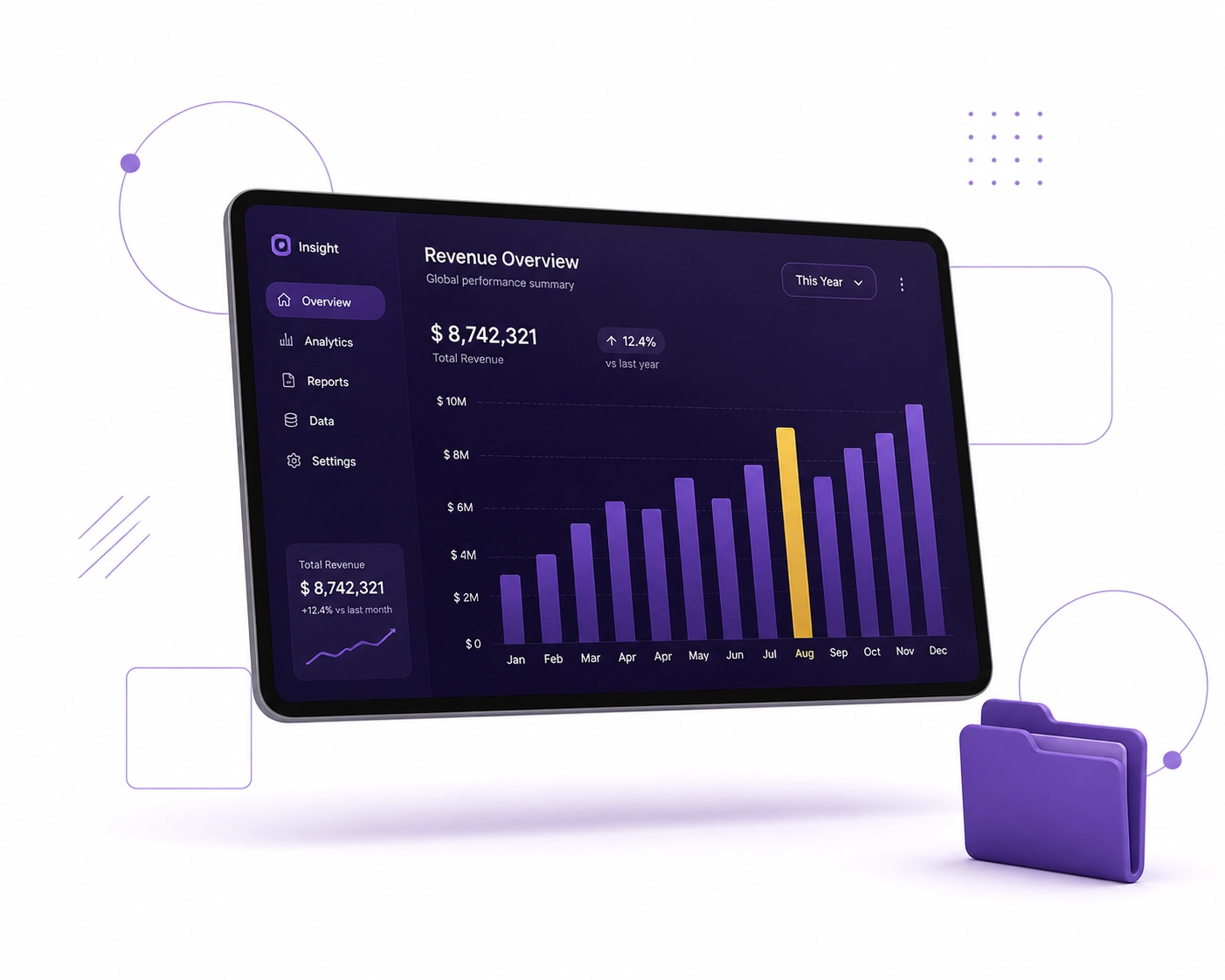
How much does it cost to have a bookkeeper fix my payroll codes?
Pricing varies based on the size of your team and the state of your current books. At Books LA, we offer payroll simplification services to help you get compliant. Book a call with us to get a custom quote.

When is the deadline to update my payroll system?
Technically, the rules are in effect now for the 2026 tax year. You should ensure your tracking is correct for every pay period in 2026 to ensure your year-end W-2s are accurate.

Can I handle this myself in QuickBooks?
You can, but it requires manual setup of new pay items and mapping them to the specific Box 12 codes. Many owners prefer to have a professional review the setup to avoid costly year-end errors.

What if my employee works two jobs?
The deduction limits ($25k for tips, $12.5k for OT) are per individual, not per employer. If they hit the limit between two jobs, that is handled on their personal tax return, but you are still responsible for reporting what you paid them correctly.


Want us to handle your 2026 payroll compliance?
Schedule a quick 15-minute consultation with Books LA today and let’s make sure your team gets the tax breaks they deserve without the stress!

What is OBBB? A Business Owner’s Guide to the One Big Beautiful Bill

What is OBBB? A Business Owner’s Guide to the One Big Beautiful Bill

Last updated: April 4, 2026

Ever feel like the tax code was written in a secret code specifically designed to keep you awake at 2 AM? You are not alone. The One Big Beautiful Bill (OBBB), signed into law in mid-2025, is a massive overhaul that actually brings some much-needed stability to your business finances.

Fast Answer: The One Big Beautiful Bill (OBBB) is a federal law that makes several small business tax breaks permanent, including 100% bonus depreciation and an increased $40,000 SALT deduction limit. This guide is for small business owners who want to understand how these 2026 changes impact their daily bookkeeping and year-end tax planning.

What is the One Big Beautiful Bill (OBBB)?

The One Big Beautiful Bill is essentially a "greatest hits" collection of business-friendly tax policies. Instead of these rules expiring every few years, the OBBB makes them a permanent part of the landscape. For you, this means more certainty when you decide to buy a new piece of equipment or hire your next employee.

Official OBBB tax legislation document with a rising bar chart representing small business growth.

Before this bill, many of the perks we loved from the 2017 tax reforms were scheduled to disappear. Now, we have a clear runway through 2026 and beyond. As a business owner, you can stop playing "tax chicken" with the government and actually plan your growth.

How does 100% bonus depreciation work in 2026?

One of the biggest wins in the OBBB is the permanent return of 100% bonus depreciation. If you buy a "big ticket" item for your business, like a delivery van, a heavy-duty printer, or specialized kitchen equipment, you don't have to wait years to write it off.

In the past, you might have had to spread that deduction over five or seven years. Under the new OBBB rules, you can deduct the full cost in the very first year you put it into service. This is a massive cash flow advantage. If you spend $50,000 on equipment today, you reduce your taxable income by $50,000 this year.

This makes the "buy vs. lease" decision much simpler. Many of our clients are choosing to buy outright to snag that immediate tax win.

What are the new SALT and QBI limits?

If you are running a business in a high-tax state like California, the SALT (State and Local Tax) deduction has probably been a sore spot. For years, it was capped at a measly $10,000.

The OBBB raised that cap to $40,000 through 2029. This is a huge relief for Los Angeles business owners who often hit that $10,000 limit just by paying their basic property and state income taxes.

Additionally, the Qualified Business Income (QBI) deduction has been boosted. If you operate as a pass-through entity (like an LLC or S-Corp), you might now be eligible for a 23% deduction on your business income, up from the previous 20%. It is essentially a "thank you" discount from the IRS for being a small business.

How do the new overtime and tip rules affect my payroll?

The OBBB introduced some very specific perks for your team that you need to track in your payroll system.

First, there is a new deduction for overtime pay. Individuals can exclude up to $12,500 of overtime income from their federal taxes. For you as the employer, this doesn't change what you pay them, but it makes the "extra hours" much more attractive to your staff.

Second, the "Tip Income Exclusion" is now in full swing. Service-oriented businesses like salons or cafes can see employees exclude up to $25,000 in tips from their taxable income.

Your job as the business owner is to ensure your bookkeeping reflects these categories accurately. If your payroll isn't set up to distinguish these specific types of pay, your team might miss out on these benefits.

Modern clock and icons representing payroll tracking for overtime and tip income benefits.

What are the new 1099 limits and penalties for 2026?

This is where the "boring" part of bookkeeping becomes very expensive if you ignore it. The OBBB and subsequent 2026 regulations have tightened the screws on 1099 reporting.

The threshold for reporting payments to contractors has shifted, and the IRS is now using automated matching systems to catch missing forms. If you fail to file a 1099-NEC for a contractor you paid over the limit, the penalties have nearly doubled.

We recommend starting your 1099 bookkeeping checklist early. Don't wait until January 2027 to ask your graphic designer for their W-9. Get it before you send the first payment.

What is the new mandatory crypto reporting?

If your business accepts Bitcoin, Ethereum, or any other digital asset as payment, the OBBB has brought you into the spotlight. Starting in 2026, there are new mandatory reporting requirements for business-to-business crypto transactions.

The IRS now views these much like cash transactions over $10,000. You will likely need to file specific forms detailing the sender’s information and the value of the crypto at the moment of receipt.

This adds a layer of complexity to your bank reconciliations. You can't just mark it as "Sales." You need a record of the exchange rate and the wallet addresses involved.

Smartphone showing blockchain icons and digital receipts for business crypto reporting compliance.

Why does my bookkeeper need to care about OBBB?

You might be thinking: "Isn't this my CPA's job?"

While your CPA handles the final tax return, your bookkeeper is the one in the trenches every day. If your bookkeeper doesn't understand OBBB, they won't know to flag that $20,000 equipment purchase for bonus depreciation. They might not realize your crypto sales need extra documentation.

At Books LA, we focus on making sure your data is "tax-ready." This means when you hand your books to your CPA at the end of the year, all the OBBB-related categories are already sorted. You won't have to pay your CPA $300 an hour to clean up your "Miscellaneous" folder.

How to get started with OBBB compliance

The best way to handle these changes is to be proactive. Here is a quick checklist for this month:

  1. Review your asset list: Are you planning a big purchase? Check if it qualifies for the 100% bonus depreciation.
  2. Update your payroll settings: Ensure overtime and tips are categorized correctly to help your employees get their OBBB tax breaks.
  3. Audit your 1099s: Make sure you have W-9s for every vendor you've paid this year.
  4. Check your SALT exposure: Talk to your bookkeeper about how much you've paid in state and local taxes so far.

Want us to handle this? We can review your current setup and make sure you are capturing every OBBB benefit available. Book a short call with Books LA here.

Magnifying glass over a file folder symbolizing a professional bookkeeping review of OBBB tax benefits.

Summary of OBBB Changes for 2026

Feature Old Rule New OBBB Rule (2026)
Bonus Depreciation Phasing out Permanent 100%
SALT Deduction $10,000 Cap $40,000 Cap
QBI Deduction 20% 23% for many
1099 Filing Lower penalties Higher penalties / Stricter limits
Crypto Minimal reporting Mandatory B2B reporting

About Books LA

We are a Los Angeles-based bookkeeping firm dedicated to helping small businesses stay organized and compliant. We live and breathe QuickBooks Online (QBO) and Xero. Our team focuses on the day-to-day numbers so you can focus on growing your business. Whether you need a bookkeeping cleanup or monthly maintenance, we are here to support your journey.

Disclaimer: Books LA provides bookkeeping and payroll services. We do not provide income tax advice. The information in this post is for educational purposes. We work closely with CPAs to ensure your books meet tax requirements, and we always recommend confirming specific tax strategies with your CPA.

FAQ: Common Questions About the One Big Beautiful Bill

Does OBBB apply to my S-Corp?

Yes. The OBBB specifically targets pass-through entities like S-Corps, LLCs, and Sole Proprietorships. The QBI deduction increase to 23% is one of the primary benefits for S-Corp owners.

Is the 100% bonus depreciation only for new equipment?

Under OBBB, both new and "used to you" equipment typically qualify for bonus depreciation, as long as it is new to the business and put into service during the tax year.

What happens if I don't report crypto payments in 2026?

The IRS has increased its enforcement budget specifically for digital assets. Failing to report could lead to significant penalties and audits. It is best to use a sub-ledger or specialized software that syncs with your bookkeeping.

Can I still use the SALT deduction if I don't itemize?

The SALT deduction is generally part of itemized deductions on your personal return. However, some states have "SALT cap workarounds" for business owners (like the PTET in California) that your bookkeeper and CPA can help you navigate.

How much does it cost to have a bookkeeper manage these OBBB changes?

Most monthly bookkeeping packages include the categorization needed for OBBB compliance. If you need a one-time cleanup to catch up on 2025 or 2026 data, prices vary based on the volume of transactions.

Do I need to change my payroll provider because of the overtime rules?

Most major providers like Gusto or ADP are updating their systems for OBBB. Your main task is ensuring your bookkeeper maps those new payroll categories to the correct accounts in your general ledger.

Business credit card and organized files representing professional payroll and ledger management.

Ready to stop stressing about the One Big Beautiful Bill and start using it to your advantage? Request a bookkeeping review from Books LA today.

The $2,000 Rule: 1099 Threshold Changes & Penalties in 2026

The $2,000 Rule: 1099 Threshold Changes & Penalties in 2026

Last updated: April 4, 2026

Starting in tax year 2026, you only need to issue a Form 1099-NEC or 1099-MISC if you paid a vendor or contractor $2,000 or more during the calendar year. This post is for small business owners and freelancers who need to navigate the new OBBB Act reporting rules and avoid expensive IRS penalties.

We are going to cover the jump from $600 to $2,000, why the 1099-K threshold is back to its old ways, and how your bookkeeping workflow needs to change to stay ahead of the curve.

What is the new 1099 reporting threshold for 2026?

For years, the magic number was $600. If you paid a contractor more than that, you had to send a 1099. Under the One Big Beautiful Bill (OBBB) Act, that threshold has officially increased to $2,000 for payments made after December 31, 2025.

This means for the 2026 tax year, you can breathe a little easier if you have small, one off repairs or quick consulting sessions that stay under that $2,000 mark. This change applies to both Form 1099-NEC (Non-Employee Compensation) and Form 1099-MISC (Miscellaneous Information).

Even better: starting in 2027, this $2,000 limit will be indexed for inflation. The IRS will adjust the number periodically so it does not get stuck at $2,000 for the next thirty years.

Stylized 1099 tax forms next to a large 2,000 dollar figure representing the new IRS reporting threshold.

Why did the 1099-K threshold change back to $20,000?

If you have been following the news, the 1099-K threshold has been a bit of a roller coaster. There was a plan to drop it to $600, which caused a lot of panic for people selling old furniture on apps or taking small payments via Venmo.

As part of the same 2026 legislation, the Form 1099-K threshold has reverted to the original $20,000 and 200 transactions limit.

This is a huge relief for businesses that use third party settlement organizations. It means you will not get a 1099-K from your payment processor unless you hit both of those high marks. However, do not let this confuse you. If you pay a contractor via cash, check, or direct ACH, you still follow the $2,000 rule for the 1099-NEC. The $20,000 rule is specifically for the payment platforms to report to you.

What are the 1099 penalties for non-compliance in 2026?

Just because the threshold is higher does not mean the IRS is looking the other way. In fact, penalties for failing to file or filing late have increased alongside these changes. If you miss the deadline or provide incorrect information, the costs add up fast.

  1. Failure to file on time: Penalties can range from $60 to $310 per form, depending on how late you are.
  2. Intentional disregard: If the IRS thinks you purposely ignored the $2,000 rule, the penalty can jump to over $630 per form, or 10 percent of the total amount that should have been reported.
  3. Incorrect information: Sending a 1099 with the wrong TIN (Taxpayer Identification Number) or name can trigger a penalty if you do not fix it quickly.

At Books LA, we see these penalties hit small businesses right when they are trying to grow. It is much cheaper to have a clean bookkeeping system than to pay the IRS for a mistake.

How does the OBBB Act affect crypto, tips, and overtime?

The OBBB Act brought in a few other moving parts that your bookkeeper is likely watching closely.

Mandatory Crypto Reporting: The IRS is getting very serious about digital assets. If you pay contractors in cryptocurrency, those payments still count toward the $2,000 threshold. You must track the fair market value of the crypto in U.S. dollars at the time the payment was made.

Tips and Overtime: There are new considerations for how tips are reported and how overtime is calculated for certain industries. If you are in the service or construction industry, ensuring your payroll and your 1099 tracking are in sync is vital. If a worker is misclassified as a contractor but is actually an employee receiving tips or overtime, the $2,000 threshold is the least of your worries. The misclassification penalties are much steeper.

A purple digital currency coin and clock icon symbolizing mandatory crypto reporting and payroll compliance.

What should your bookkeeping workflow look like now?

Even though you do not have to file for someone you paid $1,500, you should still act like you do. Here is the rule of thumb we use at Books LA: Always get the W-9 before you send the first payment.

It does not matter if the first invoice is only for $100. If you wait until they hit $2,000 in December to ask for their tax info, they might disappear on you.

  • Collect W-9s early: Make it part of your onboarding process for every new vendor.
  • Track by Vendor in QBO/Xero: Ensure your cloud accounting software is set up to track "1099 payments" automatically.
  • Review quarterly: Look at your vendor spend every three months to see who is approaching the $2,000 mark.
  • Backup Withholding: The backup withholding threshold also jumped to $2,000. If a vendor refuses to give you a TIN and you pay them over $2,000, you are required to withhold taxes from their payment and send it to the IRS.

You can see more about how we handle these details on our services page.

Why the $2,000 rule does not mean "tax-free" income

This is a common misconception we hear from business owners. They think that if they do not have to send a 1099, the contractor does not have to pay taxes on that money.

That is not true.

The contractor is still legally required to report every dollar of income, even if it was only $5. The $2,000 rule is simply a reporting threshold for the payer (you), not a tax exemption for the payee (them). Keeping your books accurate helps you prove your expenses during an audit, regardless of whether a 1099 was issued.

An organized purple file folder with documents showing audit-ready bookkeeping and financial transparency.

Ready to get your 1099s in order?

Navigating the OBBB Act and the new $2,000 limit can feel like a lot, especially when you are also trying to manage daily operations and payroll.

If your current bookkeeping feels like a pile of receipts and "I will get to it later," we can help. Whether you need a one time cleanup or ongoing monthly support, our team at Books LA is here to make sure you stay compliant and penalty free.

Request a bookkeeping review here


About the Author
Jelena Arkula is the owner of Books LA, a cloud-based bookkeeping firm based in Los Angeles, California. With years of experience helping small businesses master QuickBooks Online (QBO) and Xero, Jelena and her team focus on making accounting friendly and accessible. We are not just number crunchers: we are your partners in growth.

Disclaimer: Books LA provides bookkeeping and compliance support. We do not provide income tax advice. Please consult with a qualified CPA regarding your specific income tax filings and the legal implications of the OBBB Act for your business.


FAQ: The 2026 1099 Rules

What happens if I pay someone $1,999?
You are not required to file a 1099-NEC or 1099-MISC with the IRS. However, you should still keep a record of the payment as a business expense in your books.

Do I need to send 1099s for payments made via credit card?
No. Payments made by credit card or through third party processors like PayPal are reported by the processor on a 1099-K (if they hit the $20,000/200 transaction mark). You do not need to issue a 1099-NEC for those.

Does the $2,000 rule apply to corporations?
Generally, no. You usually do not have to send a 1099 to a corporation (S-Corp or C-Corp). The exception is for legal services: you almost always have to send a 1099 to your lawyer, even if they are incorporated.

What is the deadline for filing 1099-NEC in 2026?
The deadline is typically January 31st for the preceding tax year. Even with the higher threshold, the deadline remains the same.

Can I file my 1099s electronically?
Yes, and the IRS actually prefers it. If you have more than 10 forms, electronic filing is mandatory. Most modern software like QuickBooks Online makes this simple.

What if I don't have the contractor's Social Security Number?
You should request a W-9 before paying them. If they refuse to provide it and you pay them over $2,000, you must begin backup withholding at a rate of 24 percent.

Is crypto considered a "cash" payment for 1099s?
For reporting purposes, yes. If the value of the crypto at the time of payment exceeds $2,000 for the year, you must issue a 1099 based on its U.S. dollar value.

Does this change affect my state taxes?
It depends. Many states follow federal guidelines, but some have their own lower thresholds. Always check your specific state’s requirements or ask your bookkeeper to look into it for you.